
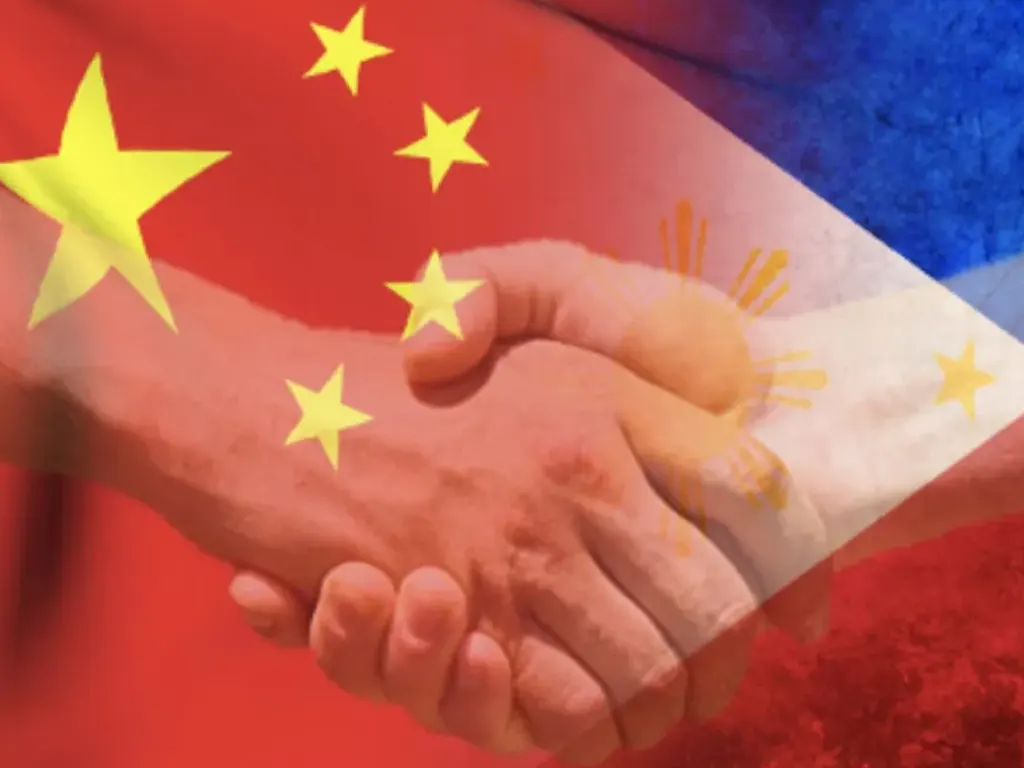
THE Palace moved swiftly on Wednesday to address concerns raised by the Chinese government regarding a travel advisory issued to its citizens in the Philippines.
The advisory, which cautioned Chinese nationals about potential harassment from Philippine authorities, prompted a direct response from the Palace, aiming to alleviate tensions and reaffirm the Philippines’ commitment to welcoming foreign visitors.
Palace Press Secretary Claire Castro issued a statement assuring China that the Philippine government’s actions are not targeted at any specific nationality.
Castro characterized the Chinese government’s travel advisory as a standard consular function, a routine measure taken by many nations to inform their citizens of potential risks in foreign countries.
She emphasized that the Philippine government does not engage in discriminatory practices against any particular nationality and that all foreign nationals are welcome in the Philippines, provided they adhere to the country’s laws and regulations. This reassurance aimed to counter the negative perception potentially created by the advisory.
The Palace official’s statements directly addressed the concerns raised in the Chinese travel advisory, specifically denying any systematic targeting of Chinese citizens or businesses.
Castro’s emphasis on the welcoming nature of the Philippines towards foreign visitors underscored the government’s commitment to maintaining positive international relations. The statement aimed to prevent any escalation of the situation and avoid any negative impact on tourism and bilateral ties.
However, Castro also acknowledged the possibility of a connection between the advisory and the ongoing crackdown on Philippine Offshore Gaming Operators (POGOs), an industry with significant Chinese involvement.
The government’s intensified efforts to regulate POGOs and address associated issues, such as illegal activities and potential security risks, might have inadvertently led to some misunderstandings or concerns among Chinese nationals.
This acknowledgment demonstrated a willingness to address underlying issues that might have contributed to the advisory.
The Palace’s response highlighted the importance of open communication and diplomatic engagement in managing international relations.
By offering assurances and clarifying the government’s position, Malacañang sought to prevent any further escalation of the situation and maintain a positive relationship with China. The emphasis on welcoming foreign visitors while upholding the rule of law aimed to strike a balance between ensuring national security and fostering a welcoming environment for international travelers.
The situation underscores the complexities of managing international relations, particularly when domestic policy initiatives, such as the crackdown on POGOs, may have unintended consequences for foreign nationals.
The Palace’s proactive response, emphasizing transparency and a commitment to fair treatment for all visitors, is a crucial step in mitigating potential damage to the Philippines’ international reputation and its relationship with China.
The ongoing dialogue between the two governments will be key in resolving any lingering concerns and strengthening bilateral ties.
metrosundaily