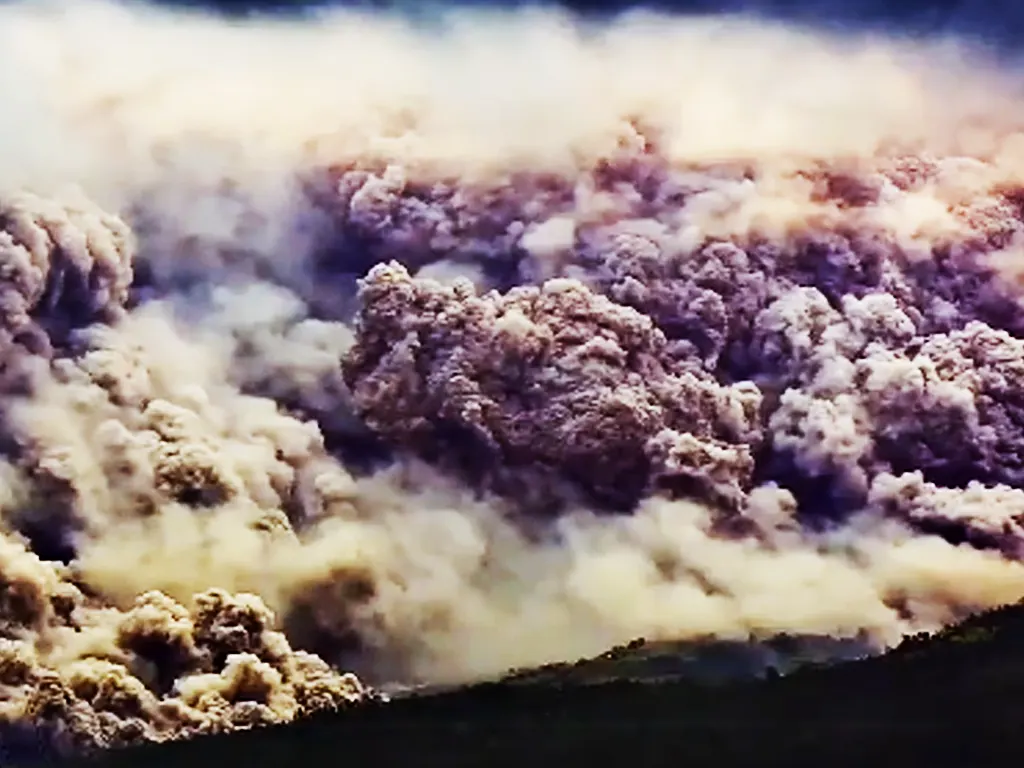
FOLLOWING a notable increase in Mayon Volcano’s activity last Saturday, authorities are considering expanding the Permanent Danger Zone (PDZ) from its current 6-kilometer radius to 7 kilometers as an added safety precaution.
The proposal comes as several communities across Albay province continue to grapple with the widespread effects of heavy ashfall emitted by the restive volcano. Towns such as Guinobatan and Camalig have borne the brunt of the eruption’s impacts, with residents and local government units working double-time to address immediate threats to life, property, and livelihood.
In Barangay Ilawod, Guinobatan, residents rushed to clear thick layers of ash from rooftops and streets, concerned that the accumulated material could harden over time and become heavy enough to cause structural damage or roof collapse. Meanwhile, in the municipality of Camalig, the intensity of ash emissions forced guests and employees of local hotels to evacuate their premises for safety.
Visibility dropped to near zero in many areas, making travel difficult and dangerous, while vehicles, agricultural lands, livestock shelters, and residential areas were completely blanketed by gray ash, turning familiar landscapes into scenes of desolation.
The effects go beyond physical damage, as essential services and local economies have also been severely disrupted. Local officials reported interruptions in water supply due to damaged infrastructure and ash-contaminated sources, prompting the implementation of rationing measures while repair works are underway. The agricultural sector has suffered massive losses, with rice fields and vegetable farms buried under ash just days before scheduled harvest — a devastating blow to farmers who were expecting to reap the fruits of months of labor. There have also been reports of livestock deaths and missing farm animals, further reducing the resources and income of rural families dependent on agriculture.
According to official estimates, more than 100 barangays and nearly 200,000 individuals have been directly affected by the ashfall since the volcanic activity escalated. To date, over 4,000 residents living within high-risk zones have been evacuated to safer grounds as a precautionary measure.
Government agencies have stepped up response efforts, deploying additional personnel and fire trucks to conduct large-scale ash clearing operations along major roads and drainage systems to prevent flooding and ensure passability. The Department of Public Works and Highways also reminded communities that ash must be collected and disposed of properly and not simply swept to the side of roads where it could block waterways. Support has also come from neighboring provinces like Sorsogon and Camarines Sur, which have sent aid and resources to assist Albay in managing the crisis.
metrosundaily