
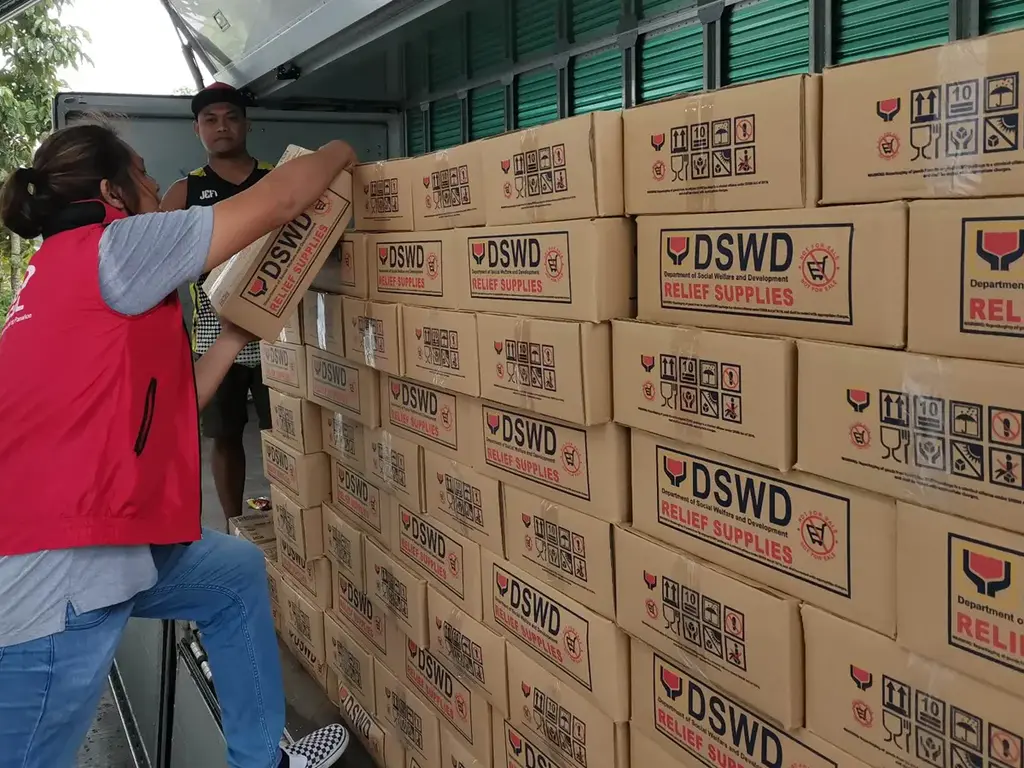
The DSWD still has P1.2 billion available stockpiles and quick response fund (QRF) ready for disposal.
(Editorial)
THE recent warning issued by the Department of Social Welfare and Development (DSWD) against the repackaging and reselling of disaster relief goods underscores a critical issue: the sanctity of aid intended for those most vulnerable during times of crisis.
The DSWD’s firm stance, emphasizing that ready-to-eat food (RTEF) boxes and family food packs (FFPs) are exclusively for calamity victims, is not merely a matter of bureaucratic regulation; it is a moral imperative.
The act of profiting from the suffering of others, by diverting resources meant for survival, is reprehensible and undermines the very foundation of compassionate disaster response. The DSWD’s clear articulation of the illegality of such actions, citing Republic Act No. 10121, is a necessary step in deterring this egregious behavior.
The specific prohibitions outlined by the DSWD—reselling, repackaging, and replacing the contents of relief boxes—are crucial to maintain the integrity and accountability of the aid distribution system.
Tampering with these packages not only deprives those in need of essential sustenance but also erodes public trust in the government’s ability to effectively manage disaster relief efforts.
The detailed list of items included in each RTEF box—five cans of tuna paella, one can each of chicken pastil and giniling, two packs of arroz caldo, three packs of champorado, two protein biscuits, and one complementary food for infants—highlights the careful planning and resource allocation involved in providing adequate nutrition to disaster victims. Any alteration to this carefully curated provision undermines the nutritional balance and overall effectiveness of the aid.
The DSWD’s emphasis on the clear labeling and contents of the RTEF boxes speaks volumes about the agency’s commitment to transparency and accountability.
The clear listing of contents on the box ensures that recipients know exactly what to expect, preventing any confusion or suspicion of substitution. This transparency is vital to maintain public trust and ensure that the aid reaches its intended beneficiaries. The potential for legal repercussions—as explicitly stated by the DSWD—serves as a necessary deterrent against those who would exploit the system for personal gain.
The DSWD’s actions are not simply about enforcing regulations; they are about upholding the fundamental principles of humanitarian assistance.
Disaster relief is a sacred duty, demanding honesty, integrity, and unwavering commitment to those in need. The threat of legal action against those who violate RA 10121 is a crucial component of safeguarding this duty, ensuring that the aid reaches those who desperately require it, and that the system remains free from exploitation.
The fight against the repackaging and reselling of disaster relief goods is a fight for the dignity and well-being of the most vulnerable members of our society.
It is a fight that demands the full force of the law and the unwavering commitment of all stakeholders to ensure that aid reaches those who need it most, undiluted and untainted by greed or corruption. The DSWD’s vigilance in this matter sets a vital precedent, protecting the sanctity of disaster relief and reinforcing the importance of compassion in times of crisis.
metrosundaily