
(Editorial)
WITH the House of Representatives voting an overwhelming 257-25-9 to adopt the impeachment resolution against Vice President Sara Z. Duterte, the ball has officially been passed to the Senate.
For the second time, the Lower House has fulfilled its constitutional duty by establishing probable cause and deciding that there is sufficient basis to proceed. The numbers speak volumes—far exceeding the required one-third threshold—signaling a strong mandate from the representatives of the people to put the allegations under the microscope of a full trial. The case, involving charges of misuse of confidential funds, unexplained wealth, graft, and threats against top officials, now moves from the investigation phase to the judgment phase.
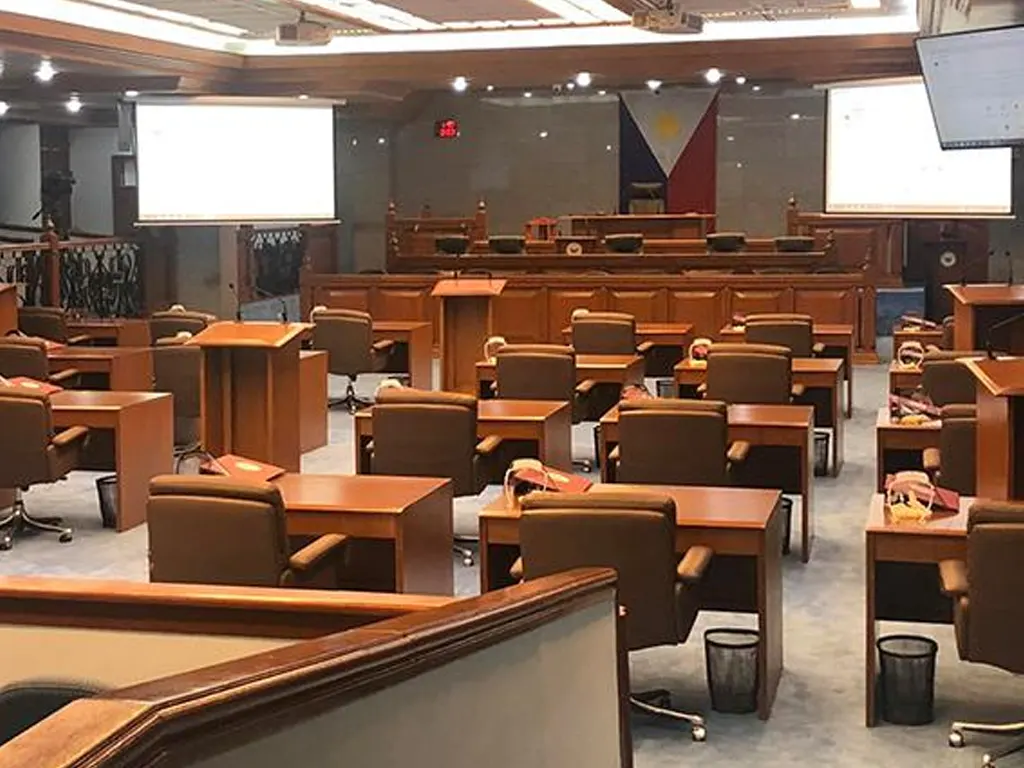
The next chapter unfolds in the Senate, which will formally convene as an impeachment court. This is where the real test begins. Unlike the House proceedings which determined whether there was enough reason to charge, the Senate trial will determine guilt or innocence.
Senators, acting as judges, will be required to set aside political affiliations and personal alliances to weigh the evidence presented. The challenge for the Upper House is immense: to conduct a trial that is not only legally sound but also perceived by the public as fair, transparent, and free from political maneuvering. As Justice Chair Luistro pointed out, this is the opportunity for evidence to speak louder than politics, and for the Constitution to prevail over personal interests.
For Vice President Duterte, this stage offers her the full opportunity to defend herself. The Constitution guarantees her right to face her accusers, present her own evidence, and explain her side of the story to the nation. The gravity of the accusations—ranging from corruption to crimes against the state—means that the stakes could not be higher. A conviction would result in her removal from office and permanent disqualification from holding public office, while an acquittal would clear her name and potentially reshape her political future. Whatever the outcome, the process itself will be a defining moment for her career and legacy.
Ultimately, what happens next will be a measure of our democratic institutions. The Senate must navigate a path that upholds the rule of law while ensuring due process. The Filipino people will be watching closely to see if justice is truly blind, or if political colors will influence the gavel. As the impeachment court prepares to convene, the message is clear: the process has begun, the evidence is on the table, and now it is up to the Senate to decide where the truth lies.
metrosundaily