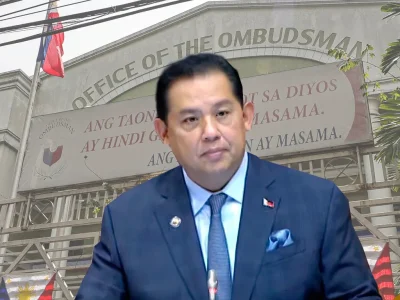

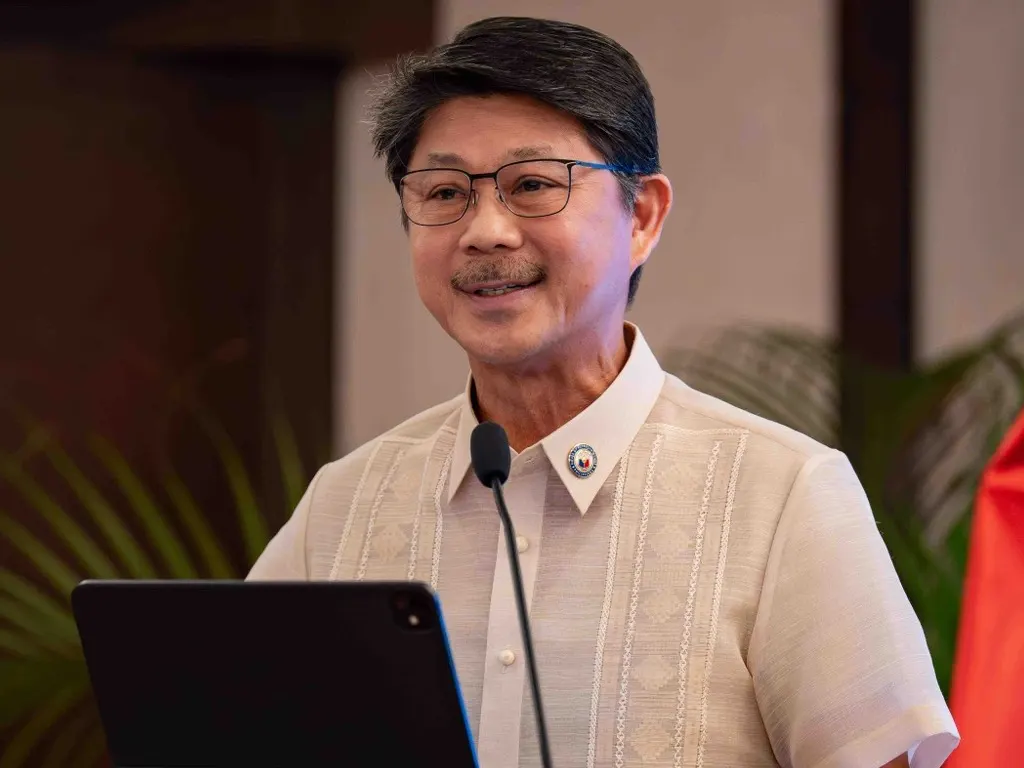
AS the country observes National Children’s Month, the House of Representatives has taken a significant step toward securing a healthier future for Filipino children as the bicameral conference committee approved the reconciled version of the proposed National Children’s Nutrition Act—a landmark measure that expands the country’s feeding program into a comprehensive, life-stage-based national nutrition initiative.
For House Speaker Faustino “Bojie” G. Dy III, one of the authors of the bill, the measure represents more than a legislative achievement—it is an investment in the health, dignity, and future of every Filipino child.
“Naniniwala ako na isa sa pinakamahalagang pamana na maibibigay natin sa susunod na henerasyon ay ang pagkakataong lumaki silang malusog, malakas, at may magandang kinabukasan,” the Speaker said.
“Hindi dapat maging hadlang ang gutom at malnutrisyon sa pangarap ng kahit sinong batang Pilipino. Kaya sa Bagong Kongreso, isinusulong natin ang mga batas na tunay na nagmamalasakit sa ating mga kabataan at nagbibigay sa kanila ng mas magandang simula sa buhay.”
Consolidating House Bill No. 9466 and Senate Bill No. 2272, the proposed measure establishes a National Children’s Nutrition Program that goes beyond traditional school feeding to address malnutrition through coordinated interventions from the prenatal stage through the school-age years.
Among its key provisions are expanded feeding coverage for children aged two to under five years, universal school-based feeding for public school learners from Kindergarten to Grade 3, and targeted feeding for undernourished learners in Grades 4 to 6. It also provides nutrition interventions for pregnant adolescent learners and other vulnerable groups.
The measure strengthens support for the critical First 1,000 Days of a child’s life through nutrition and growth monitoring, supplementary milk feeding, micronutrient supplementation, health examinations, and immunization. It also institutionalizes stronger interventions against stunting and acute malnutrition, alongside nutrition education, sanitation, and community-based support.
Recognizing that child nutrition requires a whole-of-government effort, the proposed law strengthens coordination among national agencies and local government units, establishes accountability and monitoring mechanisms, and provides for greater participation of the private sector and communities.
It likewise mandates that at least thirty percent (30%) of the total volume of agricultural and fishery products required for the Program be sourced directly from local farmers and fisherfolk, giving priority to small-scale local farmers and fisherfolk. Sourcing from local farmers and fisherfolk other than small-scale local farmers and fisherfolk shall only be allowed if their produce is insufficient to meet the full requirements of the Program.
metrosundaily