
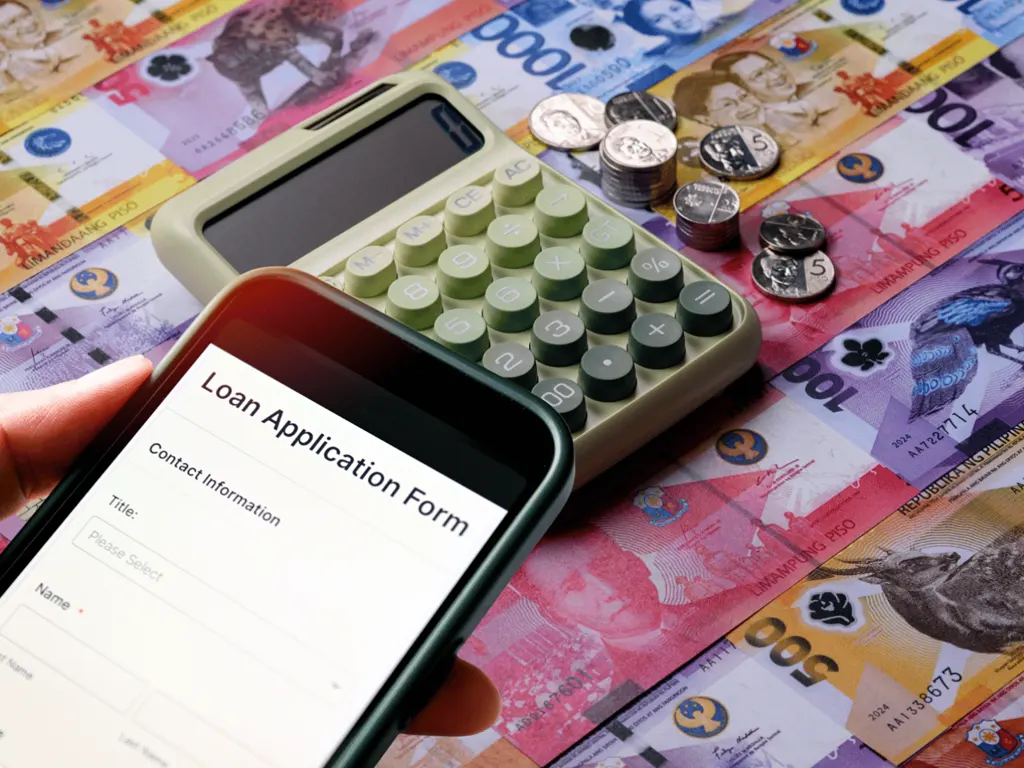
A MEASURE seeking to protect Filipino borrowers from abusive debt collection practices by online lending companies is set to undergo further deliberations at the technical working group (TWG) level following the meeting of the House Committee on Banks and Financial Intermediaries on Monday, November 23.
Albay Third District Representative Raymond Adrian Salceda attended the committee meeting, where his proposed House Bill No. 4016, or the Anti-Harassment in Online Lending Collection Act, was among the measures tackled.
The measure seeks to establish a stronger legal framework to protect borrowers from intimidation, public humiliation, and violations of privacy while ensuring that debt collection is conducted in a fair, transparent, and humane manner.
“Isinusulong po ng panukalang batas na ito ang kapakanan at dignidad ng mga ordinaryong Pilipino— mga magulang, manggagawa, estudyante at maliliit na negosyante na kung minsan ay kailangang mangutang para lamang maitawid ang kanilang pang-araw-araw na pangangailangan. Hindi dapat maging kapalit ng tulong ang pananakot. Hindi dapat maging kapalit ng utang ang kahihiyan,” Salceda said.
Salceda acknowledged that while online lending platforms have made credit more accessible, particularly to Filipinos underserved by traditional financial institutions, their proliferation has also led to numerous complaints involving abusive collection practices.
Salceda cited hundreds of cases reported by the Securities and Exchange Commission (SEC) involving public shaming and the unauthorized use of borrowers’ contact lists, photographs, and social media accounts.
In 2019 alone, the SEC ordered the shutdown of 30 online lending applications for employing abusive debt collection methods, including threatening borrowers with arrest, spreading false information to their friends and employers, and humiliating them through mass text messages.
Under HB 4016, online lending companies, their agents, and third-party collectors would be prohibited from engaging in the following practices:
● Contacting borrowers or third parties between 10 p.m. and 6 a.m. without prior written consent;
● Using threats, profane or obscene language, and other forms of verbal abuse;
● Publicly shaming or humiliating borrowers through social media posts, group messages, or mass notifications;
● Accessing or using borrowers’ contact lists, photographs, and private information without express consent;
● Misrepresenting debt obligations or making false threats of arrest, imprisonment, or legal action;
● Disclosing borrowers’ debt status to third parties, including family members, friends, and employers; and
● Threatening to downgrade credit scores or blacklist borrowers without observing due process.
The measure also upholds borrowers’ rights to privacy and confidentiality, accurate and updated loan information, access to legitimate grievance mechanisms, and compensation for damages arising from violations.
Under the proposed legislation, violators may face imprisonment of one tox three years, a fine ranging from P100,000 to P500,000, or both, upon conviction.
The SEC and the Bangko Sentral ng Pilipinas (BSP) would also be authorized to suspend, revoke, or deny the licenses of erring online lending companies.
Salceda also clarified that the measure does not absolve borrowers of their financial obligations but seeks to strike a balance between the legitimate right of lending companies to collect debts and the fundamental right of borrowers to dignity and privacy.
“This bill does not excuse borrowers from paying their debts. It simply reminds lending companies that collecting a debt is a right, but harassing a borrower is not,” Salceda said.
Salceda’s proposal also seeks to strengthen public confidence in digital lending as an instrument of financial inclusion, particularly for low-income households and micro, small, and medium enterprises (MSMEs), while protecting legitimate lending companies from abusive industry players.
“We must build a financial system where Filipinos can borrow responsibly, repay their debts with dignity, and live without fear of harassment,” Salceda concluded.
metrosundaily