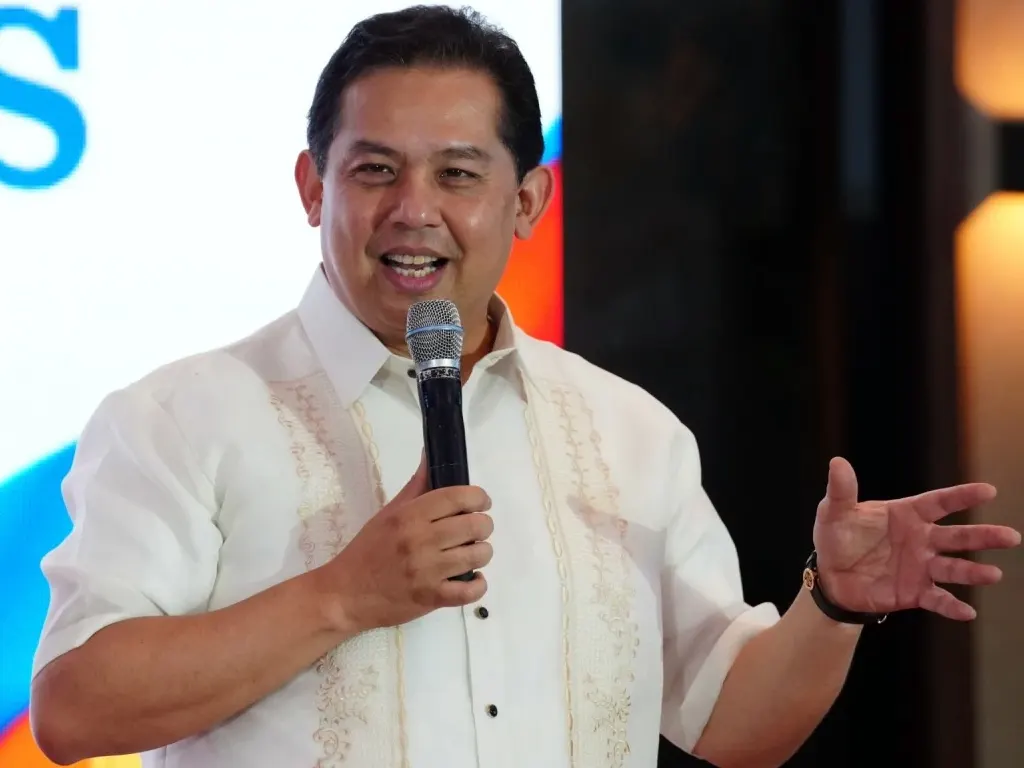
SPEAKER Ferdinand Martin G. Romualdez on Wednesday vowed that the House of Representatives will see to it that every peso in the proposed P6.793-trillion 2026 national budget has a clear purpose and delivers tangible benefits to the Filipino people.
“Bawat piso, may pinaglalaanan; bawat gastusin, dapat may pakinabang sa tao,” Speaker Romualdez said during the turnover of the 2026 National Expenditure Program (NEP) by the Department of Budget and Management (DBM) to the House.
The 2026 NEP, equivalent to 22 percent of the country’s GDP, is 7.4 percent higher than this year’s P6.326-trillion budget, with bigger allocations for education, healthcare, social protection, and food security to sustain the country’s economic momentum.
Framed under the theme “Agenda for Prosperity: Nurturing Future-Ready Generations to Achieve the Full Potential of the Nation,” next year’s spending plan is anchored on the Philippine Development Plan 2023-2028 and the long-term vision of President Ferdinand R. Marcos Jr.
“Today’s (Wednesday) turnover of the 2026 NEP from the DBM is not just a formality. It is the first step in shaping how our government will serve the Filipino people in the year ahead,” Speaker Romualdez said.
The House leader said the NEP is “more than numbers on paper” and represents the government’s plan to make the vision of a Bagong Pilipinas a reality.
“[The NEP] is the government’s plan to make the vision of a Bagong Pilipinas real—roads that connect communities, markets where food is affordable, schools that open doors to opportunity, hospitals that save lives, and safe, secure communities for every Filipino,” the Speaker said.
He added: “A budget is not just a spending plan—it is a mirror of our priorities and a measure of our accountability to the people. And because this is the people’s money, the process of crafting it must be transparent, inclusive, and worthy of public trust.”
DBM Secretary Amenah F. Pangandaman said the 2026 NEP is a carefully crafted spending plan that tightens allocations while delivering historic investments in education, health and food security.
She announced a milestone in education funding, saying that for the first time, the budget for basic and higher education will meet UNESCO’s recommended spending target of at least 4 percent of GDP.
At P1.224 trillion, or 16.6 percent of the budget, the allocation also exceeds the UNESCO Education 2030 Framework requirement of 15–20 percent of total public expenditure and surpasses the global average of 14.2 percent.
Healthcare funding will increase by 23.6 percent, covering subsidies for PhilHealth, expanded medical aid for indigent patients, and higher budgets for Department of Health hospitals—up 20.2 percent in Metro Manila and 26.1 percent in the regions.
The NEP also includes operational funds for Bukas Centers to bring affordable, quality healthcare closer to communities.
To secure the nation’s food supply, the Department of Agriculture and its attached agencies will receive P239.2 billion, with the Rice Competitiveness Enhancement Fund tripled and the National Rice Program budget raised by 38 percent.
The government will also establish a National Agricultural Food Hub and continue the Rice for All Program, benefiting over 15 million households.
Infrastructure spending will remain at 5–6 percent of GDP under the Build Better More Program, alongside P87.33 billion for the digital transformation of government services.
Other major allocations include: P55.2 billion for labor and employment programs; P299.3 billion for the Department of National Defense; P287.5 billion for the Department of the Interior and Local Government; and P67.9 billion for the Judiciary.
metrosundaily