
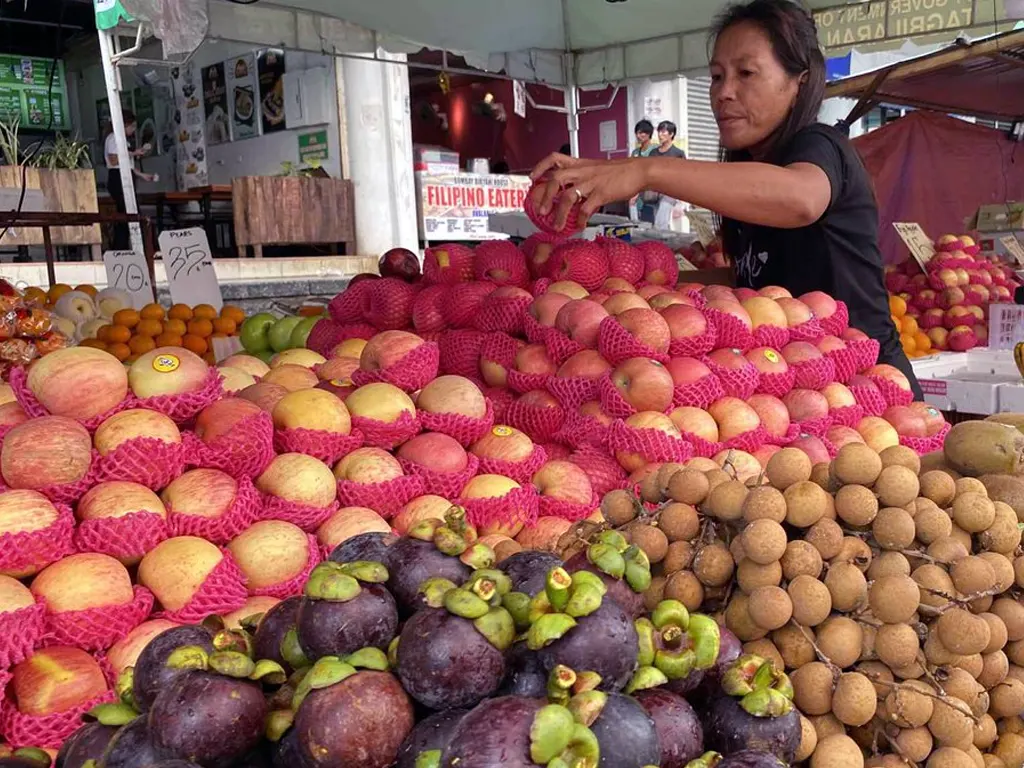
AS the year 2025 draws to a close, Filipinos are flocking to markets and fruit stands in droves, seeking out round fruits believed to bring good luck and prosperity in the coming year.
The tradition of displaying and consuming 12 round fruits on New Year’s Eve, each representing a month of the year, remains a deeply ingrained cultural practice, reflecting the enduring hope for a bountiful and prosperous 2026.
Market vendors across the country are reporting a significant surge in demand for popular round fruits such as oranges, grapes, apples, and watermelons.
Many believe that the shape of the fruits symbolizes coins and wealth, attracting financial abundance in the new year. While some families opt for the traditional 12 varieties, others choose to focus on their favorite fruits or those that are most readily available and affordable.
Beyond the symbolic significance, the tradition also provides a festive and colorful centerpiece for New Year’s Eve celebrations. Families often arrange the fruits in decorative displays, adding to the joyous atmosphere and creating a sense of anticipation for the year ahead. The shared act of consuming the fruits at midnight further strengthens familial bonds and reinforces the collective hope for a brighter future.
Whether rooted in superstition or simply a cherished tradition, the demand for round fruits during the New Year season underscores the enduring optimism and resilience of the Filipino spirit.
As Filipinos prepare to welcome 2026, the presence of these auspicious fruits serves as a tangible reminder of their hopes, dreams, and unwavering belief in the promise of a better tomorrow.
metrosundaily