

CONSUMA PH, an independent consumer-centered think tank, warned against further increases in electricity rates, saying Filipino households and businesses are being forced to shoulder the combined effects of rising global fuel prices, peso depreciation and the country’s persistently high power costs.
The group criticized the power industry’s pass-on mechanisms, which allow increases in generation and other electricity costs to be passed on to consumers, leaving households and businesses with little protection from external economic shocks.
The warning comes as Meralco announced a 12-percent increase in its consolidated core net income for the first nine months of 2026, reaching ₱44.8 billion from ₱40 billion during the same period last year. Its earnings growth was supported by stronger contributions from its power generation and retail electricity supply businesses.
Meanwhile, consumers continue to face higher electricity bills. Meralco raised its residential electricity rate by ₱0.3191 per kilowatt-hour in October, bringing the rate to ₱15.0615 per kWh from ₱14.7424 in September. A household consuming 200 kWh would pay approximately ₱64 more.
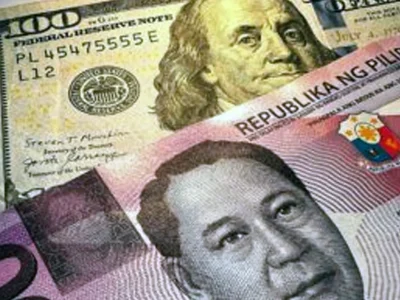
The peso’s depreciation has further compounded the problem. On October 27, the peso hit a record low of ₱64.17 against the US dollar. Meralco has acknowledged that foreign exchange movements affect generation costs because more than half of its power supply sources are exposed to foreign currency fluctuations.
“Consumers are being made to absorb every external shock. When fuel prices rise, electricity rates go up. When the peso weakens, electricity rates go up again. And when electricity becomes more expensive, businesses are left with little choice but to increase the prices of their products and services,” said CONSUMA PH founder and spokesperson Atty. Nat Oducado.
“Filipino families are already struggling with the rising cost of food, transportation and other necessities. Small businesses, particularly neighborhood stores, bakeries, restaurants, market vendors and small manufacturers, are being squeezed from both ends. They pay higher electricity bills to operate and face higher costs for the goods and supplies they need. Ultimately, consumers pay for these increases at the checkout counter.”
The World Bank’s 2026 Philippine Economic Update has identified the country’s electricity prices as among the highest in ASEAN. It also pointed to structural problems in the power sector, including high generation costs, legacy supply arrangements and transmission bottlenecks. The report specifically highlighted automatic fuel pass-through provisions and take-or-pay arrangements in power supply contracts as factors that prevent lower generation costs from translating quickly into lower electricity bills.
Oducado argued that the existing pass-on system effectively transfers the risks of operating in a volatile energy market from power suppliers and industry players to ordinary consumers.
“Pass-through provisions should not become a convenient excuse for making consumers the industry’s shock absorbers. Consumers have no control over international fuel prices, foreign exchange movements or the terms of power supply contracts. Yet they are expected to pay for all these increases, regardless of their capacity to absorb additional costs.”
While acknowledging that legitimate generation and transmission expenses must be accounted for, CONSUMA PH maintained that automatic cost recovery should never come at the expense of meaningful regulatory scrutiny and consumer protection.
The group urged the Energy Regulatory Commission (ERC) to strengthen its review of pass-through charges, require transparent and independently verifiable cost breakdowns, and prioritize measures that prevent sudden and cumulative increases from being imposed on consumers.
Oducado also called for a review of power supply agreements, particularly provisions that lock consumers into high costs even when market conditions change.
“Power companies and suppliers must share responsibility for managing risks. There must be greater scrutiny of contract terms, fuel procurement costs and the efficiency of power generation. Consumers should not automatically inherit the financial consequences of business decisions and contractual arrangements over which they have no say.”
CONSUMA PH further urged the government to prioritize affordable domestic energy sources, improve competition in the electricity market, and accelerate investments in renewable and indigenous energy resources to reduce dependence on imported fuels.
“The government cannot keep talking about economic growth and affordable commodities while allowing electricity costs to remain a major burden on households and enterprises. Affordable and reliable electricity is essential to keeping businesses alive, protecting jobs and preventing another round of price increases on basic goods,” Oducado emphasized.
“Consumers should not be asked to pay for every new crisis without corresponding accountability from the power industry and meaningful intervention from regulators.”
metrosundaily