

THE Philippine National Police (PNP) should explain whether Vice President Sara Z. Duterte received special treatment because of her position when authorities declined to enforce an arrest warrant against her, while a veteran journalist facing another bailable offense was taken into custody during the weekend.
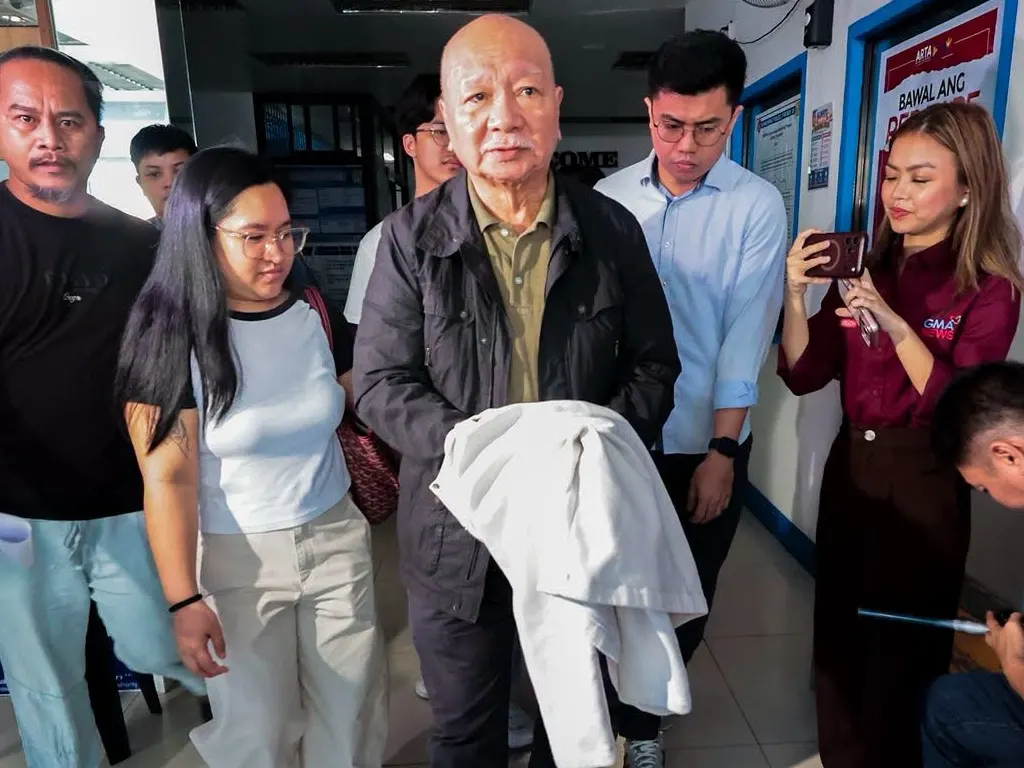
House prosecutor Terry L. Ridon of Bicol Saro Party-list has renewed his challenge to the police following the arrest of veteran journalist Philip Lustre Jr., questioning the apparent difference in how authorities handled the warrants against Lustre and the Vice President.
“Kaya nga ang sabi namin, mahalaga po talaga magpaliwanag yung pong Philippine National Police doon po sa aktwal na pagkakaiba nitong dalawang kaso na ito,” Ridon stressed.
Ridon questioned the circumstances surrounding Lustre’s arrest on Saturday, October 24, and compared them with the police’s decision not to take Duterte into custody after a Quezon City court issued an arrest warrant against her for three counts of grave threats in September.
“Kasi nga, si Ginoong Lustre ay inaresto on a weekend, samantalang si Vice President Sara Duterte, hindi inimplement yung pong arrest order laban sa kanya on a weekend, on a similar bailable offense, no?” Ridon pointed out.
Lustre, a journalist and author known for his reporting on the Duterte administration’s anti-drug campaign, was arrested shortly after attending a media forum in Quezon City on the strength of a cyberlibel warrant issued by a Davao City court.
The 72-year-old journalist was detained for several hours before his lawyers secured his release after posting P48,000 bail that evening, with his legal team questioning the timing of his arrest and the difficulties encountered in arranging bail during a weekend.
Duterte, meanwhile, was the subject of an arrest warrant issued on Sept. 4 by the Quezon City Regional Trial Court (RTC) in connection with three counts of grave threats arising from her November 2024 statements concerning President Ferdinand Marcos Jr. and other officials.
Interior Secretary Jonvic Remulla subsequently acknowledged that authorities knew Duterte’s whereabouts but did not forcibly implement the warrant, explaining that the police had accorded her the respect due her position before she voluntarily appeared in court and posted P360,000 bail on Sept. 5.
“Ibig sabihin, kung ang sasabihin nila, dahil ang pangalawang pangulo ang— uh, pangalawang pangulo, kaya ho sila nagbigay ng kurtesiya na hindi ho siya arestuhin yun po yung banggitin po nilang paliwanag, para at least malinaw lang ho sa tao na, well, that looks kind of like double standard to all of us, di ba?” Ridon argued.
The lawmaker maintained that the public deserves a clear explanation of the operational considerations behind the two decisions, particularly because both warrants involved offenses for which the accused could secure temporary liberty through bail.
The controversy has also prompted concern among journalists and press freedom organizations, while Prosecutor General Richard Anthony Fadullon has acknowledged possible due process lapses in Lustre’s case after the subpoena intended for the journalist was reportedly sent to an incorrect address.
“Well, alam na ho natin na diskarte po yan ng mga nagdaan, ano?” Ridon observed, referring to the concerns surrounding the timing of arrests and the difficulties accused individuals may face in securing their release during weekends.
The lawmaker maintained that the PNP should account for its differing actions so the public can determine whether the decisions were based on legitimate law enforcement considerations or preferential treatment arising from an individual’s government position.
metrosundaily