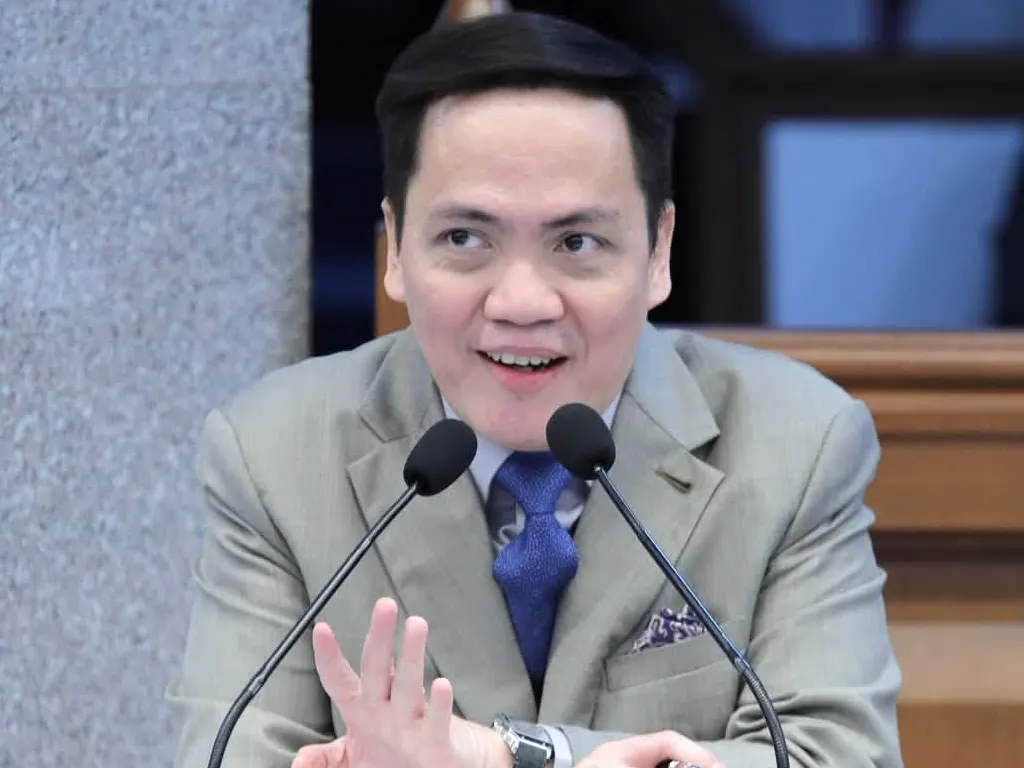
Prosecution counsel Atty. Amando Virgil Ligutan Courtesy: Senate of the Philippines
PROSECUTION counsel Atty. Amando Virgil Ligutan’s social media post explaining the rule against misleading questions contained no falsehood, malice, or intent to disrespect the Senate Impeachment Court.
Counsel for the House prosecution panel and spokesperson, Atty. Benjamin “Jay” Tolosa Jr. made the statement Thursday after the defense accused Ligutan of violating the sub judice rule, alleging that the post refers to a contentious exchange during the impeachment trial.
In his post, Atty. Ligutan said all lawyers and law students should know by heart the principle that “misleading questions are not allowed even on cross-examination.”
“Sa aming palagay, wala kaming nakikitang naging masama doon,” Tolosa said in a press conference.
He said the post stated a basic evidentiary rule and did not purport to tell the senator-judges how to decide the impeachment case against Vice President Sara Duterte.
“Mayroon ba siyang sinabi na hindi makatotohanan? Wala naman ho,” Tolosa said. “It was just guidance with respect to an elementary evidentiary rule,” he added.
Tolosa said leading questions, which suggest the answer desired by counsel, are generally permitted during cross-examination. On the other hand, misleading questions, which assume facts not established or contrary to testimony, are not.
“Totoo naman talaga: either direct or cross-examination, hindi pinapayagan ang misleading questions,” Tolosa said.
He also rejected the suggestion that Ligutan published the explanation to insult a lawyer or member of the Impeachment Court.
“It was not made with malice. He did not intend to disrespect anyone. Again, it’s just a statement of an elementary evidentiary rule,” Tolosa said.
House prosecution spokesperson and Kabataan Party-list Rep. Renee Co said the episode mattered beyond the immediate clash because law students and young lawyers were watching the trial and could draw lessons from how legal rules were explained and enforced.
“Maganda maging klaro tayo: hindi po puwede ang misleading questions; on cross, leading puwede,” Co said.
She described that distinction as a settled procedural principle applied not only in the impeachment case but in other court proceedings.
House prosecutor and Akbayan Party-list Rep. Chel Diokno clarified that the sub judice rule does not impose a blanket prohibition on discussing a pending case.
Factual reporting about what happened in a hearing, he said, does not by itself violate the rule. Nor does a lawyer’s explanation of a legal principle or procedure automatically constitute prohibited commentary.
“Ang pinagbabawal lang ay any statements that are intended to influence the outcome of the case,” Diokno said.
He said both parties should retain an opportunity to explain legal developments, provided they remain within the limitations imposed by law and do not improperly discuss the merits or seek to influence the outcome.
“I think that both sides should have that opportunity to speak about the case, basta, within the limits imposed by the law,” Diokno said.
metrosundaily