
COURTROOM conduct should be governed by respect, decorum, and proper behavior—not by an expectation that opposing lawyers will be kind to one another, House prosecutor and Akbayan Party-list Rep. Chel Diokno said Thursday.
Diokno made the distinction when asked to assess the demeanor of the defense toward the prosecution after Vice President Sara Z. Duterte’s lawyers appealed for kindness during the Senate impeachment trial.
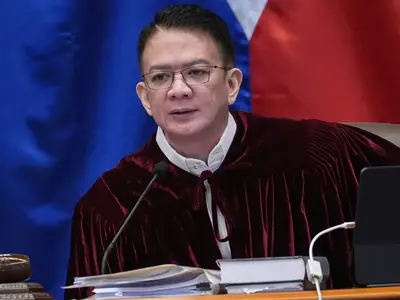
It could be recalled that during the impeachment trial on Thursday, Presiding judge, Sen. Francis “Chiz” Escudero had to intervene during a heated exchange between counsel for the prosecution, Atty. Lorna Kapunan and defense counsel Atty. Kristine Ferrer.
“Ako ay litigator for more than 30 years na akong pumupunta sa court. Halos lahat siguro ng court ay napuntahan ko,” Diokno said in a press conference.
Drawing on that experience, he said, litigants cannot demand favorable or gentle treatment from their opponents. However, Diokno said they can insist that every participant follow courtroom rules and respect the tribunal, opposing counsel, and witnesses.
“Wala namang expectation ang sinumang kabahagi ng isang court case to kindness,” Diokno said.
“Of course, we all want kindness as a human virtue, but as far as court rules are concerned, ang importante ay masunod iyong court decorum and proper court behavior,” he added.
For Diokno, the central obligation is not simply politeness as a matter of personal preference. Respect is a professional requirement that helps keep adversarial proceedings orderly even when the parties strongly disagree.
“Ang pinaka-essence ng court decorum talaga ay respeto—respeto sa judge, respeto sa kalaban,” he said.
Diokno said the prosecution expected those standards to operate throughout the impeachment case and would object when it believed any participant had departed from them.
“That is what we are hoping and insisting will happen in this impeachment case, and we will always be ready to call out anyone who is not following proper court decorum,” he said.
He expressed concern that law students watching the nationally televised proceedings might acquire a distorted view of proper advocacy. This is one reason, according to Diokno, why he continued producing explainers on legal rules and procedure for students, young lawyers, and the wider public.
He said, raising one’s voice at opposing counsel does not strengthen a weak argument or determine whether a judge will accept it.
“Ang kailangan lang, matibay at solid ang argumento mo. Hindi naman pataasan ng boses ang court hearing,” he said.
He likewise stressed that a lawyer should allow a witness to complete their answer rather than cut the testimony short. Counsel may object, seek clarification, or move to strike an improper response, but should do so through the proper procedure.
“We should never interrupt a witness while they are speaking,” Diokno said.
“Kung hindi tama iyong sinabi ng witness at dapat i-strike from the record, then I will wait for the witness to finish before I ask that the statement be removed from the record,” he explained.
Diokno explained that this professional restraint would protect both the witness’s opportunity to complete an answer and counsel’s right to challenge inadmissible or improper testimony.
He said these were the same standards the prosecution expects throughout the impeachment trial.
metrosundaily