
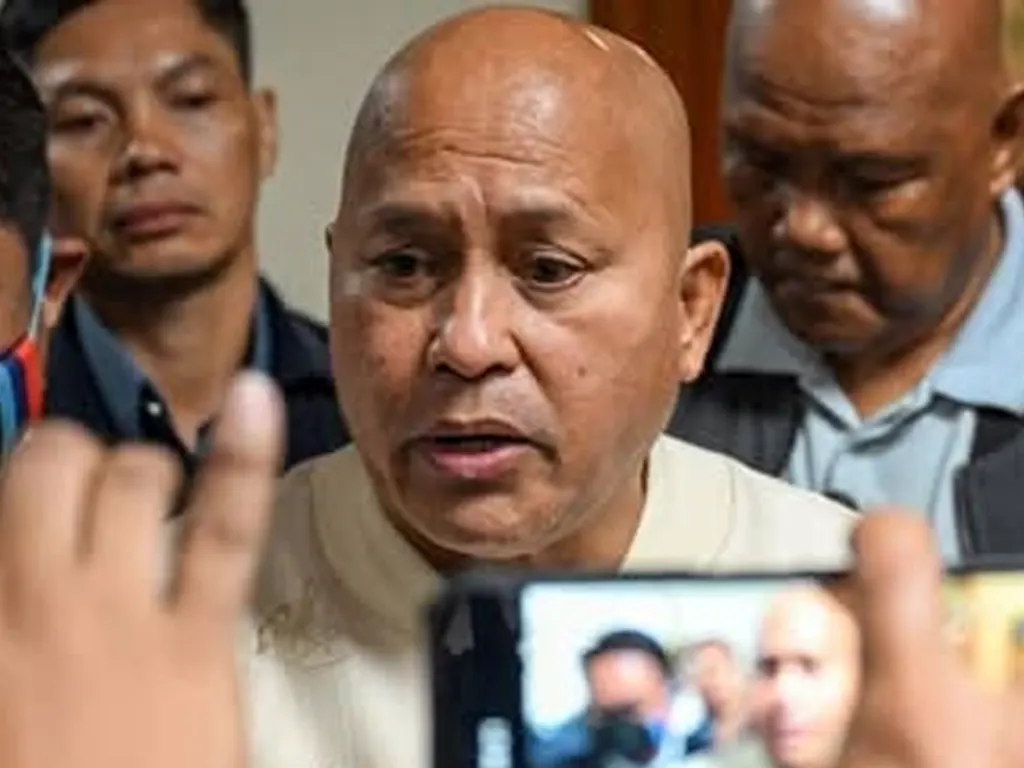
MALACANANG has officially recognized the arrest warrant issued by the International Criminal Court (ICC) against Senator Ronald “Bato” dela Rosa as valid, following the Supreme Court’s decision to deny his plea for a Temporary Restraining Order (TRO).
Palace Press Officer Undersecretary Claire Castro confirmed this development during an interview on Wednesday, stating, “For now, what we can say is that the arrest warrant against Senator Bato dela Rosa is valid.” The statement came shortly after the High Court resolved the urgent motion filed by the senator, removing the legal barrier that had prevented authorities from acting on the international arrest order.
In its ruling, the Supreme Court En Banc voted 9‑5‑1 during a special session to deny Dela Rosa’s request for interim relief, which included both a TRO and a Status Quo Ante Order.
The lawmaker had asked the court to stop government agencies from arresting him based on any ICC warrant, Interpol notice, or foreign judicial order unless it was first validated by a Philippine court. However, the tribunal made clear that its decision only addressed the application for immediate protection and did not yet settle the core legal questions regarding the enforceability of the ICC’s jurisdiction over Philippine officials.
With the TRO denied, Malacañang has turned over full responsibility for the next steps to the Department of Justice (DOJ). According to Castro, all interpretations and actions regarding the Supreme Court resolution will be handled by Justice Secretary Fredderick Vida and his office.
Adding further weight to the situation, the Palace official revealed that the Office of the Solicitor General considers Dela Rosa to be a fugitive, a classification that opens the way for law enforcement agencies to conduct a full manhunt and locate the senator, who was reported to have left the Senate premises shortly after the shooting incident last week.
The development deepens the legal battle surrounding the ICC’s investigation into alleged crimes against humanity committed during the previous administration’s war on drugs.
While the government now acknowledges the warrant as valid, conflicting views remain: Dela Rosa’s camp continues to insist that the order is not enforceable in the Philippines, and legal experts have differing opinions on whether it should first go through local courts. As authorities await formal guidelines from the DOJ, the case remains under close watch, with the Supreme Court expected to deliberate on the main petition in due course.
metrosundaily