THE House of Representatives on Tuesday started its plenary debates on the proposed Komprehensibong Alalay sa Livelihood, Inflation, Negosyo at Goods Assistance Act, or the KALINGA Act, which seeks to provide short- and long-term assistance to the public amid oil price shocks triggered by the conflict in the Middle East.
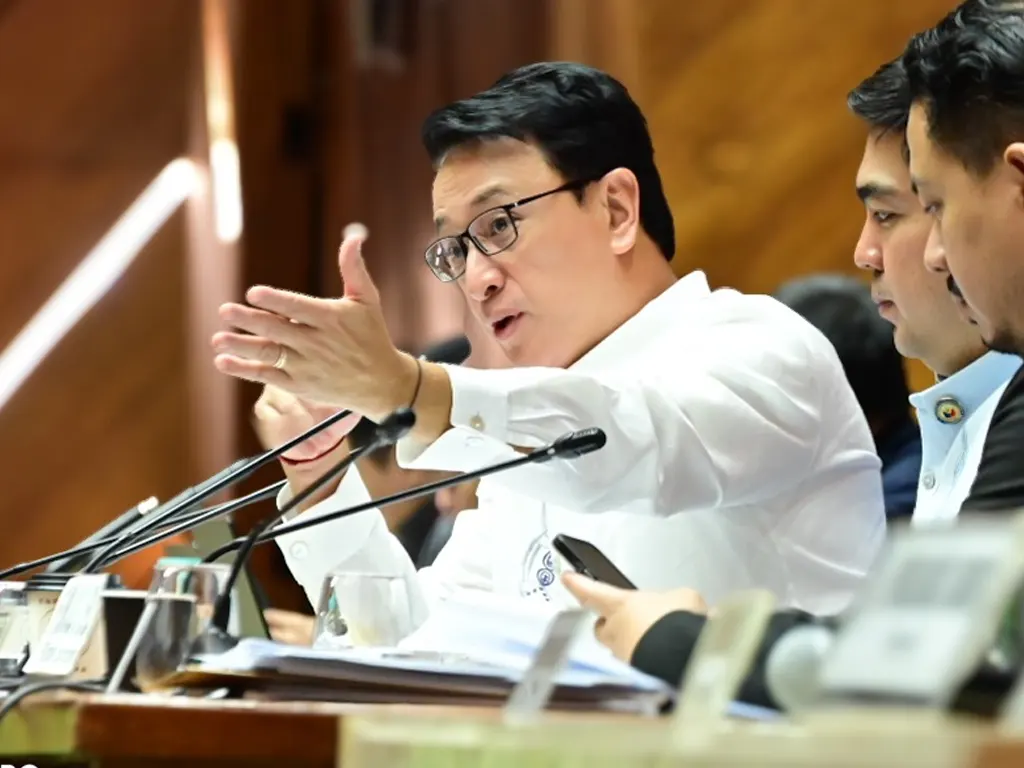
In his sponsorship speech, House Ways and Means Committee chairperson and Marikina 2nd District Rep. Miro Quimbo said the scale of the Middle East crisis requires Congress to adopt a broader policy framework that addresses not only immediate relief, but also the country’s vulnerabilities stemming from its dependence on imported fuel.
The KALINGA Act was originally filed by Speaker Faustino “Bojie” Dy III and Majority Leader Ferdinand Alexander “Sandro” A. Marcos of Ilocos Norte.
Quimbo said the proposed KALINGA Act aims to establish a national emergency relief, stabilization and resiliency framework through a combination of short- and long-term programs.
‘’The bill authorizes direct and targeted assistance to affected households and sectors, including cash, food, fuel, electricity, transport, MSME, labor, and OFW-related support,’’ Quimbo said.
’’It seeks to keep essential services including transport networks, logistics channels, and supply chains operating during a crisis,’’ he added.
Quimbo also said the bill strengthens existing beneficiary targeting and delivery methods by mandating the creation of an interoperable data system using existing government databases.
The veteran lawmaker further said that the KALINGA Act is not only an aid measure but a long-term crisis-response framework and an energy-security measure.
“The bill promotes energy conservation, fuel efficiency, renewable energy adoption, electric mobility, and other measures that reduce our dependence on imported petroleum,” Quimbo said.
“This bill is built on a simple principle: relief must be immediate, but reform must be lasting,” Quimbo added.
metrosundaily