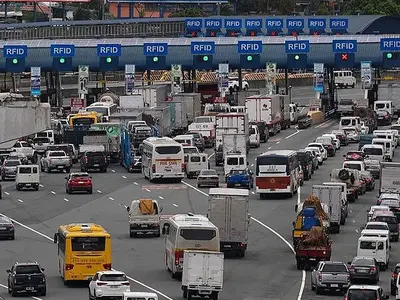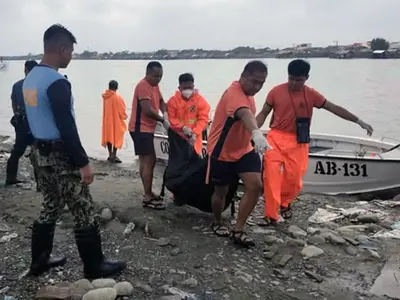

Two motorists were caught in ash fall after driving through the ash cloud caused by Mayon Volcano’s eruption this Sunday afternoon. Phivolcs reminded the public to remain cautious and follow safety protocols to avoid accidents or untoward incidents. Courtesy: Caryn Tecson Carreon
THE Philippine Institute of Volcanology and Seismology (Phivolcs) has released its latest advisory on Mayon Volcano, reiterating strict prohibitions and highlighting potential dangers as the restive volcano continues to display signs of heightened activity.
Under the current guidelines, entry into the 6-kilometer radius Permanent Danger Zone (PDZ) is strictly forbidden for all individuals, regardless of purpose or profession.
This restriction applies at all times, as the area remains vulnerable to sudden volcanic events that can pose life-threatening risks. Additionally, flying any type of aircraft near the volcano is also prohibited, as air operations in the vicinity can be disrupted by ash plumes, gas emissions, and sudden explosions, endangering both passengers and crew.
Authorities emphasized that these measures are necessary given the range of hazards that may occur at any stage of the eruption. Among the most common threats are rockfalls, landslides, and avalanches, which can be triggered by the shifting of volcanic materials or seismic activity.
Ballistic fragments—large rocks and debris ejected forcefully from the crater—can travel significant distances and cause serious injury or damage. Lava flows and lava fountaining also remain key concerns, as molten rock continues to move down the volcano’s slopes and can alter terrain or block access routes.
Phivolcs also warned about pyroclastic density currents, fast-moving mixtures of hot gas, ash, and rock that race down mountainsides at high speeds, incinerating everything in their path. Moderate-sized explosions are likewise possible, which can release large volumes of ash and debris over wide areas.
Furthermore, communities living near river channels and low-lying regions are advised to be on high alert for lahars—destructive flows of mud, ash, and water—that can occur during periods of heavy and prolonged rainfall, even days or weeks after an eruption event.
The agency reminded the public that compliance with safety protocols is crucial to preventing accidents and ensuring public safety.
Residents in surrounding towns are urged to stay updated on official announcements and cooperate with local government units in implementing evacuation and preparedness plans. Phivolcs also called on pilots, drone operators, and aviation authorities to strictly observe flight restrictions and avoid airspace near the volcano. Continuous monitoring is being conducted to track changes in activity, and further advisories will be issued as needed to keep communities informed and protected.
metrosundaily