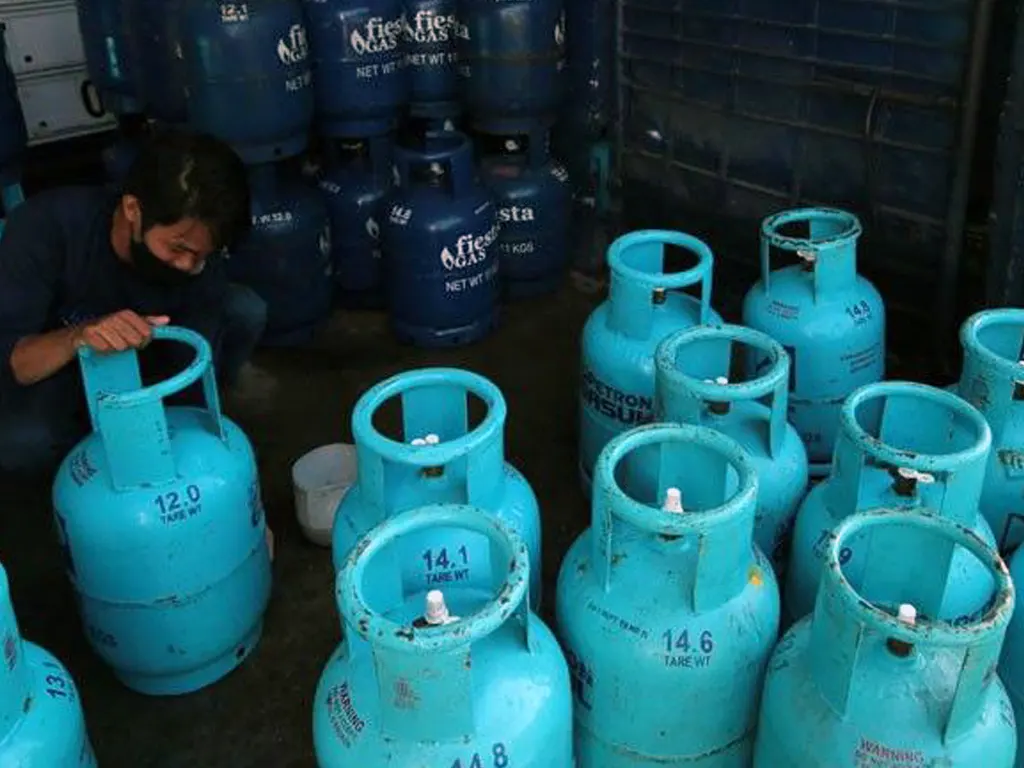
THE country is confronting a potential shortage of liquefied petroleum gas (LPG), with current supplies expected to last only an additional 25 days, according to Energy Secretary Sharon Garin.
Speaking before the Senate Committee on PROTECT (Proactive Response and Oversight for Timely and Effective Crisis Strategy), Secretary Garin provided a stark assessment of the nation’s LPG reserves, acknowledging it as a significant challenge amidst the ongoing global energy crisis. The revelation underscores the urgency for the government to secure additional supplies and manage existing demand.
To mitigate the impending shortage, the Department of Energy (DOE) is actively engaging with stakeholders in the food and beverage industry, which are major consumers of LPG. Secretary Garin mentioned that DOE representatives are in discussions with owners of restaurants and bars, exploring possibilities to temporarily reduce their LPG consumption. This measure aims to conserve the existing supply until new shipments can arrive and stabilize the market. The proactive engagement signifies the government’s commitment to a multi-faceted approach in addressing the fuel supply concerns.
Secretary Garin also provided an update on other fuel supplies, noting that gasoline reserves are sufficient for up to 53 days, diesel for 45 days, kerosene for 97 days, jet fuel for 38 days, and fuel oil for 61 days.
These figures, based on average daily demand projections from April to September 2025, indicate that while other fuel types have more robust reserves, the LPG situation requires immediate attention. The DOE has been in continuous coordination with various agencies and companies, including oil companies, off-grid diesel power plants, the National Power Corporation (NPC), and even coal suppliers, to navigate the complicated fuel supply landscape.
The global fuel crisis, significantly impacted by the conflict involving the US, Israel, and Iran and the subsequent disruption of shipping through the Strait of Hormuz—a vital artery for approximately one-fifth of the world’s oil supply—has placed immense pressure on the Philippines’ energy security.
Despite Iran’s recent statement to the UN indicating a willingness to allow passage for non-hostile ships, the supply chain remains vulnerable. The looming LPG shortage emphasizes the necessity of sustained efforts in securing alternative supply routes and implementing effective demand management strategies to ensure the country’s energy needs are met.
metrosundaily