THE Marcos administration is still considering suspending excise taxes on diesel and gasoline after scrapping such levies on liquefied petroleum gas (lpg) and kerosene, a Department of Finance official said Wednesday.
However, DOF Undersecretary Karlo Fermin Adriano claimed that a diesel and gasoline excise tax removal would benefit mostly the richest of Filipinos, a statement that did not sit well with members of the House LEAD Committee led by Marikina Rep. Miro Quimbo.
Asked about the lpg and kerosene excise suspension, Adriano said they are still awaiting the formal issuance of an executive order (EO) by President Ferdinand R. Marcos Jr.
“We are ready with the implementing rules and regulations, once the EO is out, we can release the IRRs within the day,” he said.
“Does that mean na sarado na ang pinto sa suspension ng excise taxes on diesel and gasoline?” asked Quimbo.
“No sir, hindi pa po,” Adriano responded.
He said the Development Budget Coordination Committee (DBCC) and Unified Package for Livelihoods, Industry, Food, and Transport
(UPLIFT) Committee are making a monthly assessment of the situation, and any decision would be based on such evaluation.
“That’s too late, they should meet every week and make a weekly assessment,” Quimbo, who at this early state in the LEAD Committee hearing was showing frustration over the responses the panel was hearing, said.
At some point, the Marikina House leader vented his exasperation by telling Adriano, “I think the President is being feed the wrong information!”
Deputy Speaker Albee Benitez of Negros Occidental said “if the information is wrong, the decision will be wrong.”
Benitez asked the DOF official what was the basis for suspending excise taxes on lpg and kerosene and not on diesel and gasoline.
Citing data, Adriano said lpg and kerosene are used mostly by “poorest of the poor” households.
In the case of diesel, he said 66.4 percent is consumed by the transport sectors, which includes households.
Of the 66.4 percent, 85 percent is used by the top three “deciles” or classes of rich Filipinos, while in the case of gasoline, he said.
In the case of gasoline, 40.1 percent of consumption is classified as “retail outlet,” of which the rich accounts for 50 percent, he added.
Clearly, the DOF official pointed out that a diesel and gasoline excise tax suspension would benefit the rich more than the poor.
Quimbo disagreed with Adriano, telling him, “Those are not the representations you present to us when we are considering the excise tax suspension bill.”
He said the impact of fuel price increases on the population is across the board, “but the poor are more impacted than the rich.”
“Pagbayad ng fuel price increase, ‘yung mahirap wala nang pera, pero ‘yung bilyonariyo, marami pang ekstrang pera. Kaya, bayaan niyo nang makinabang yung mga mayayaman, pero mas maraming mahihirap ang makikinabang sa diesel at gasoline excise tax suspension,” he said.
Benitez, Cagayan de Oro City Rep. Rufus Rodriguez and Quezon City Rep. Franz Pumaren confirmed Quimbo’s statement about previous representations made by executive officials before the LEAD committee.
Rodriguez said concerned officials told the committee that the government could afford a suspension of excise taxes on all oil products.
Questioning Adriano’s economic class figures, Rodriguez said only 1.5 percent of Filipinos are rich, 45 percent belong to the middle class, while the rest are poor.
“A diesel and gasoline excise tax suspension will benefit mostly the poor,” he said.
Benitez asked Adriano about the timing of the different forms of assistance the DOF official said the government has started distributing to vulnerable sectors.
Noting the slow distribution, the Negros Island lawmaker said, “Baka pagdating ng ayuda, patay na ang kabayo.”
He said an excise tax suspension would be immediately felt by Filipinos.
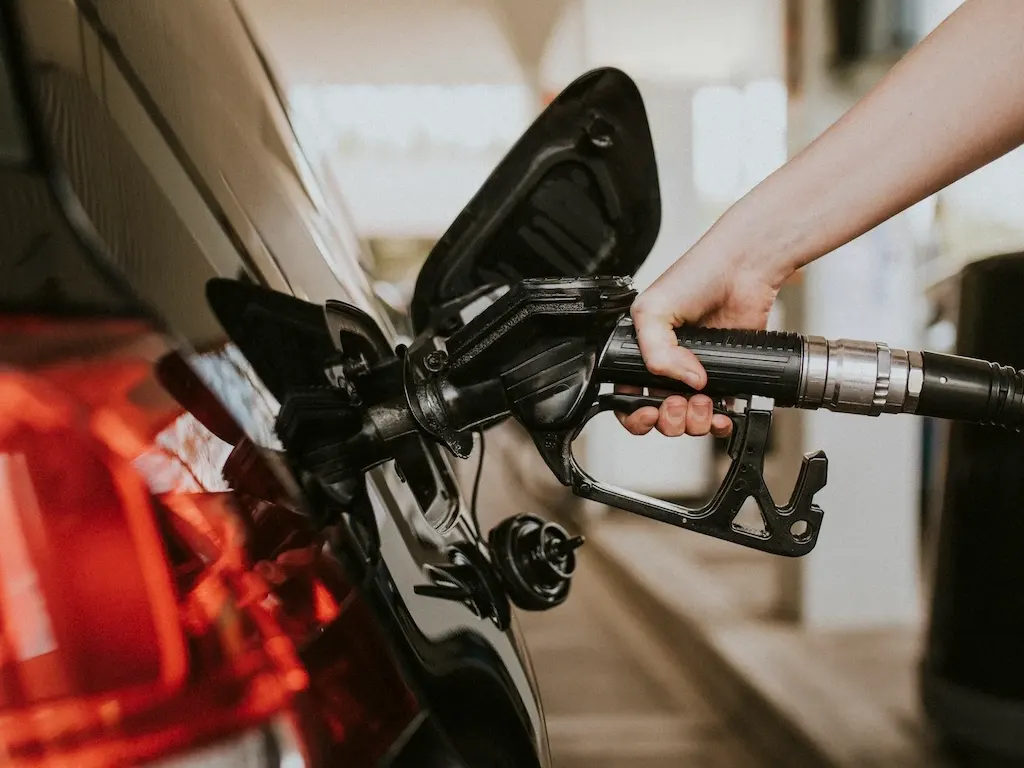
Diesel has an excise levy of P6 per liter, while gasoline has an excise tax of P10 per liter.
metrosundaily