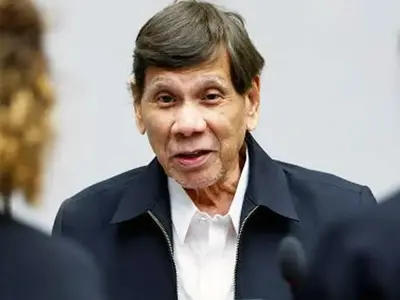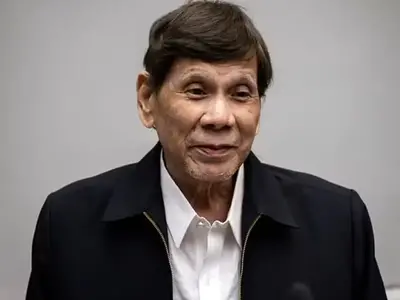

FORMER Philippine presidential spokesperson Harry Roque has declared an end to his self-imposed exile, emerging from months of hiding following the issuance of an arrest warrant in the Philippines.
His newfound sense of security stems from his recent filing of an asylum application in the Netherlands, a move he describes as a necessary step to protect himself from what he alleges is politically motivated persecution.
Roque, who served as a key figure in the administration of former president Rodrigo Duterte, has been accused of involvement in illegal activities related to Philippine offshore gaming operators (POGOs).
The House of Representatives issued the arrest warrant for his failure to appear before a congressional inquiry into these alleged irregularities. He vehemently denies any wrongdoing, claiming the accusations are a politically driven attempt to silence him.
For over six months, Roque lived a clandestine life, constantly looking over his shoulder. The weight of this hidden existence, he says, was immense.
The asylum application, he explains, represents a turning point, a chance to finally breathe freely and openly challenge the accusations leveled against him.
“I have now a bonafide asylum seeker,” Roque stated publicly, expressing relief at no longer needing to live in fear.
He emphasized that the asylum process, which he anticipates will take roughly a year and a half, offers him legal protection against deportation back to the Philippines while his case is being considered.
The decision to seek asylum carries significant implications, not only for Roque himself but also for the ongoing political discourse in the Philippines.
His claims of persecution raise concerns about the state of freedom of expression and the potential for political maneuvering to suppress dissent.
Roque’s case is likely to become a focal point in the ongoing debate surrounding the POGO industry and its alleged links to corruption within the Philippine government.
His public emergence from hiding, bolstered by the legal protection afforded by his asylum application, suggests a willingness to actively defend himself against the accusations and potentially expose any underlying political motivations.
metrosundaily