(EDITORIAL)
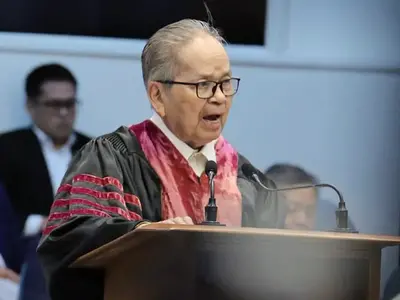
THE air crackled with anticipation as Rodrigo Duterte, the man who defined a nation’s fight against drugs, stepped into the hallowed halls of the House of Representatives. It was a moment years in the making, a reckoning for the controversial “war on drugs” campaign that had cast a long shadow over his presidency.
The hearing on Wednesday a spectacle watched by millions was not just about the past, but about the future. Would it be a chance for accountability, a platform for justice, or simply another chapter in the political drama that had defined Duterte’s legacy?
The room buzzed with a mix of emotions: supporters, eager to hear their champion defend his actions, and critics, seeking answers for the families left behind by the bloodshed. The former president, once a formidable figure, now appeared weary, his voice raspy, his gaze fixed on the lawmakers before him.
The focus of the hearing was extrajudicial killings, human rights violations, alleged corruption.
Duterte, as expected, defended his actions, He reiterated his commitment to fighting illegal drugs, painting himself as a warrior against a scourge that threatened the nation.
But the shadows of the past were long and dark. The families of those killed, many of whom had been labeled as “criminals” without due process, watched with a mix of anger and despair. Their pleas for justice echoed in the room, a stark reminder of the human cost of the drug war.
The hearing, while a significant moment, left many with a sense of incompleteness. Critics argued that the probe lacked genuine investigative depth and failed to hold Duterte accountable for the alleged human rights abuses. The lack of concrete actions taken against individuals implicated in wrongdoing further fueled their frustration.
Supporters, however, saw the hearing as a step towards understanding the complexities of the drug war and its impact on the country. They viewed it as a necessary dialogue, a chance for Duterte to clarify his position and reiterate his commitment to fighting illegal drugs.
The House probe’s outcome remains uncertain. Will it lead to concrete action, meaningful accountability, or simply serve as a political spectacle? The answer, like the legacy of the drug war itself, is shrouded in uncertainty. But one thing is clear: the shadow of the “war on drugs” will continue to linger, a stark reminder of the human cost of a fight that has left many questioning the true meaning of justice.
metrosundaily