
(Editorial)
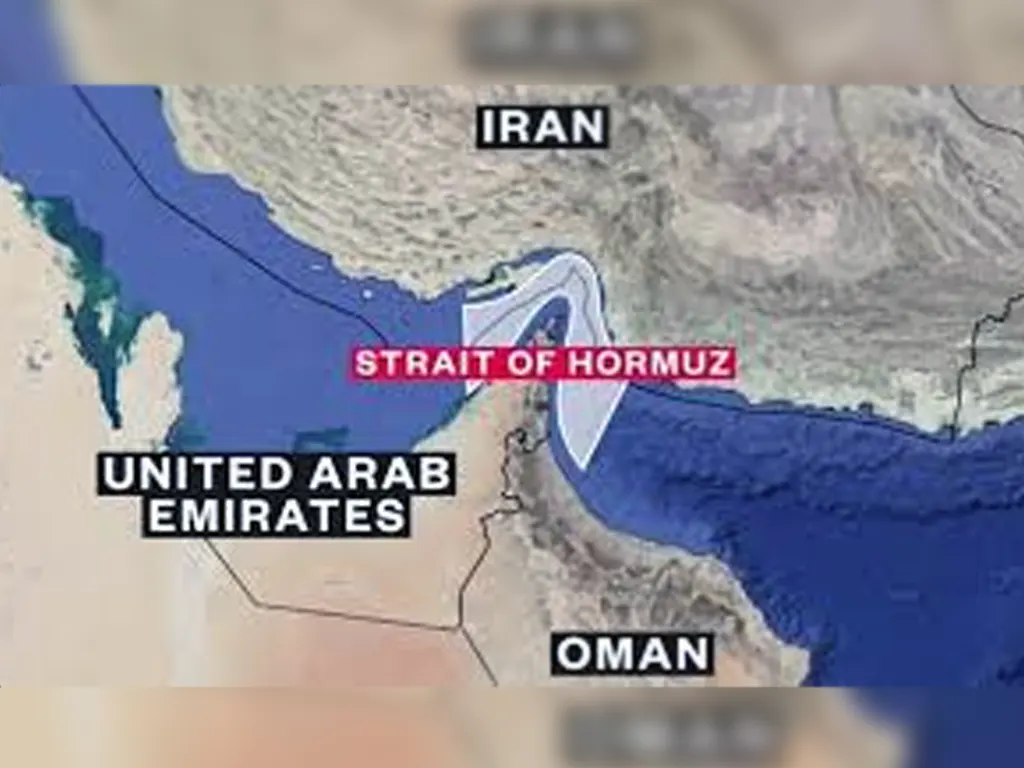
THE Strait of Hormuz, a vital artery for global energy shipments, has become a scene of significant disruption as approximately 2,000 ships carrying over 20,000 seafarers are now stranded due to escalating conflict in the region.
The Department of Foreign Affairs (DFA) highlighted this dire situation, with Undersecretary Maria Andrelita Austria specifically noting that a substantial number of these stranded vessels, 477 in total, are carrying 5,600 Filipino seafarers. This alarming figure underscores the profound impact of the geopolitical tensions on Filipino maritime workers, who form a significant portion of the global seafaring community.
The stranding of these vessels not only disrupts critical international maritime trade but also poses severe risks to the well-being of the thousands of individuals aboard.
The DFA emphasized the precarious environment created by the ongoing conflict, which jeopardizes the safety and lives of seafarers transiting this crucial waterway. The large contingent of Filipino seafarers caught in this situation highlights their vulnerability and the urgent need for international cooperation to ensure their safety and facilitate their eventual passage or repatriation.
The DFA’s statement serves as a critical reminder of the humanitarian crisis unfolding at sea due to the geopolitical instability near the Strait of Hormuz.
Concerns are mounting regarding the stranded seafarers’ access to essential supplies, communication capabilities, and the possibility of safe passage. The department is actively monitoring developments and collaborating with international organizations and concerned governments to address the plight of all stranded seafarers, with a particular focus on the welfare of the Filipino nationals affected by this escalating crisis.
metrosundaily