(Editorial)
THE third day of Vice President Sara Duterte’s impeachment proceedings before the Senate Impeachment Court highlighted one clear and growing demand: the need for full disclosure and direct testimony from key officials who hold the facts of the case.
As the prosecution and defense presented their arguments and raised points of law, it became evident that the trial is moving beyond mere procedural debates and into the core of what the allegations are all about. The session set the tone for the coming weeks, as both sides begin to lay out the evidence that will either support or refute the articles of impeachment.
A major development during the session was the prosecution’s formal push to secure the appearance of Vice President Duterte’s chief of staff, Atty. Zuleika Lopez, and National Bureau of Investigation Director Melvin Matibag.
According to House impeachment spokesperson Robert Barbers, the cross‑examination conducted earlier in the proceedings only reinforced why these two officials must take the witness stand. He emphasized that without their firsthand accounts, critical questions regarding documents, transactions, and official actions remain unanswered. The prosecution maintains that their testimony is essential to establish the truth behind the issues raised in the complaint.
The defense, meanwhile, raised objections to the timing and scope of the subpoenas, arguing that the requests are premature and that the grounds for calling these witnesses have not yet been sufficiently established.
They insisted that the court must first ensure that the presentation of evidence follows proper rules and due process, warning against using the proceedings as a platform for public spectacle rather than a fair legal inquiry. This exchange reflects the natural tension in any high‑stakes trial: the prosecution’s duty to build its case versus the defense’s right to protect its client from unfounded inquiries.
What stood out most on Day 3 was the recognition by both sides that this trial carries far‑reaching implications beyond the fate of one public official.
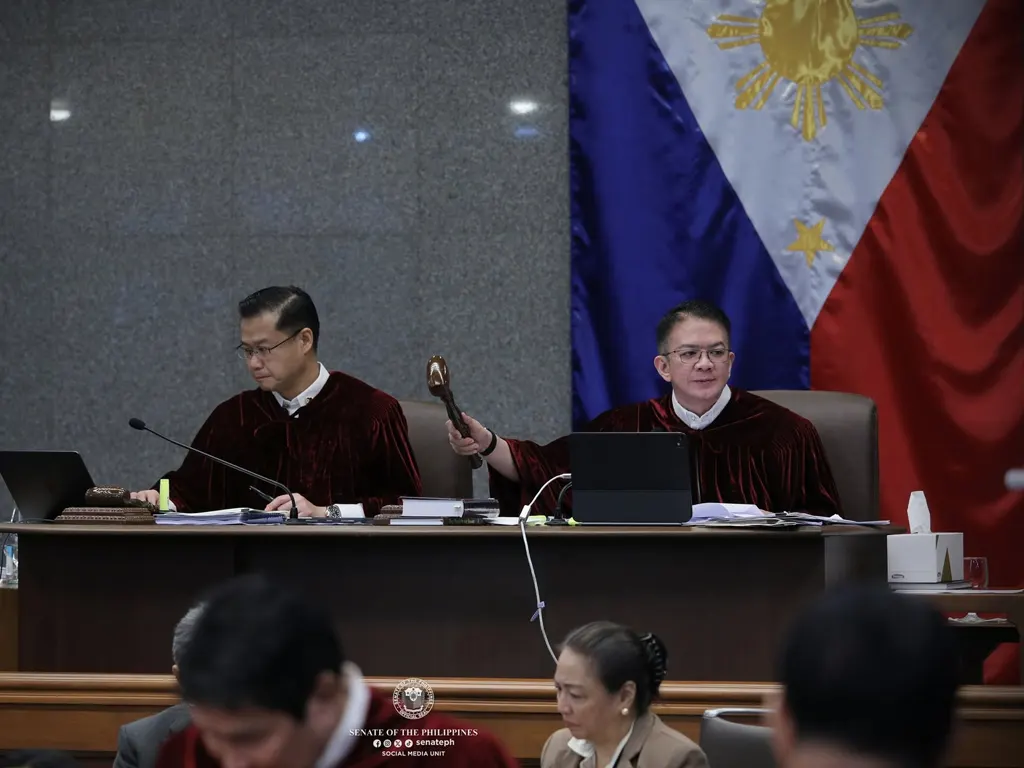
As senator‑judges asked questions and clarified legal points, it became clear that the Impeachment Court is not just deciding the guilt or innocence of the vice president but also setting a precedent for how future impeachment cases will be conducted. The requirement of 16 votes to convict, as previously clarified by Presiding Officer Chiz Escudero, also reminds everyone that the process demands broad consensus and thorough examination, not just partisan alignment.
At its heart, the third day reaffirmed the value of transparency and accountability in our democratic system. While the arguments will continue, and more disputes over evidence and witnesses are expected, the public’s interest remains focused on one thing: the truth. Whether the court grants the subpoenas, whether the witnesses appear, and whether all parties respect the rules will determine not only the outcome of this trial but also the faith of the people in our institutions. For now, the path forward is clear: let the facts speak, and let the process proceed with fairness and integrity.
metrosundaily