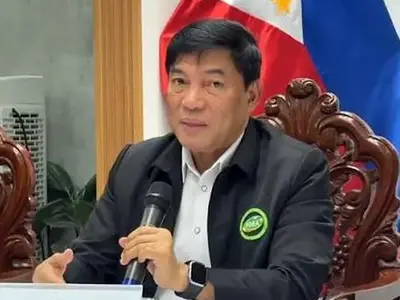
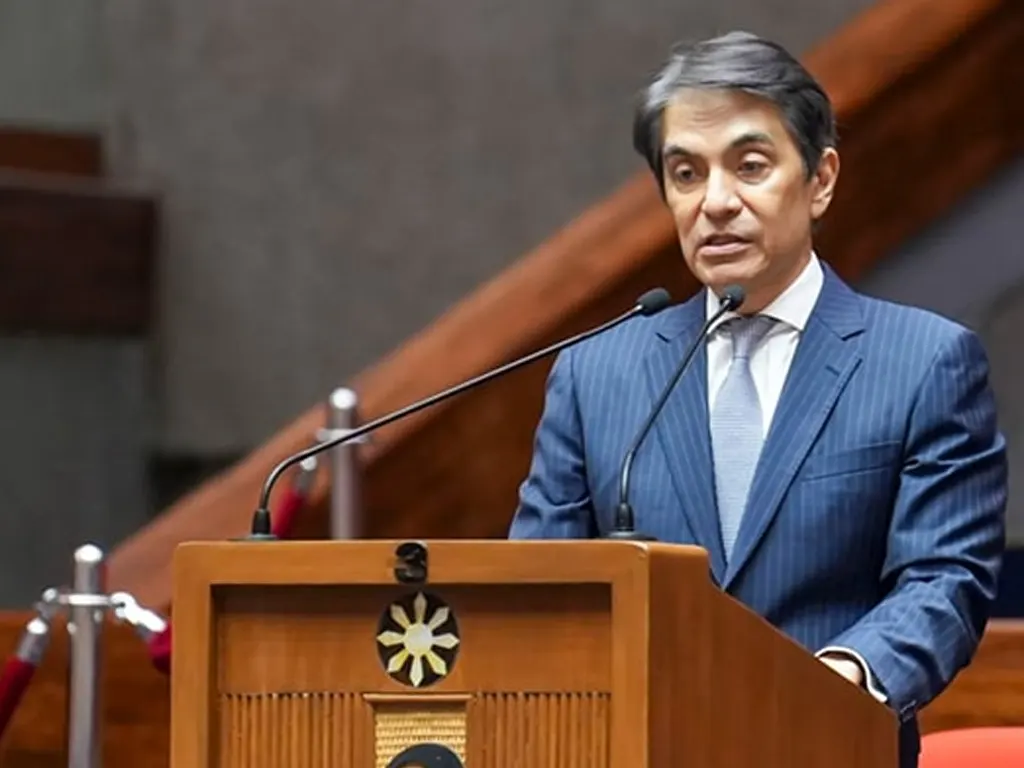
NAVOTAS Representative Toby Tiangco is pushing for the adoption of a measure that aims to stabilize markets and protect vulnerable sectors from the adverse effects of rising fuel costs.
Tiangco filed House Bill No. 8715, which seeks to provide immediate economic relief by imposing a temporary freeze on increases in residential and MSME commercial rental rates, allowing the deferment of housing loan payments
without penalties, authorizing emergency loans from the SSS and GSIS, and declaring a moratorium on the accrual of interest on government loans.
“Sa panahon ng krisis, kailangan ang agarang aksyon. Responsibilidad ng pamahalaan na gawin ang lahat ng makakaya nito para maibsan ang hirap na ating pinagdadaanan,” he said.
The Philippines imports over 90 percent of its oil needs primarily from the Middle East, which is currently mired in conflict amid the war in Iran. Facing an acute vulnerability to global oil shocks, the country has seen consecutive weeks of fuel price hikes through early March.
“Grounded on data from the Philippine Statistics Authority (PSA) and the Department of Energy (DOE), the proposed interventions are designed to help temper inflationary pressures, projected to exceed four percent (4%), while providing regulatory clarity and enforceability through the appropriate government agencies,” he added.
Tiangco noted how Micro, Small, and Medium Enterprises (MSMEs), which account for 99.6% of businesses nationwide, are among those most affected by the fuel crisis.
“Operating on thin margins, even modest increases in logistics and input costs can significantly strain their finances and, in many cases, threaten their
ability to remain operational,” he said.
The proposed measure also authorizes government agencies and their subsidiaries to partner with duly registered transport providers to deliver free public transportation during national or local emergencies, ensuring continued mobility for the riding public.
It likewise mandates the Department of Trade and Industry (DTI), and DOE, in coordination with relevant agencies, to keep prices of petroleum products, basic commodities and utilities including telcos and internet service providers remain reasonable by preventing unjustified increases, with authority to impose or recommend price ceilings, curb hoarding and profiteering, and implement necessary interventions such as requiring price justification, subsidies, or buffer stocking to stabilize supply and protect consumers.
“It is our job to protect vulnerable sectors from the adverse effects of sudden fuel price hikes. To this end, it is imperative that we provide immediate relief, while ensuring fiscal sustainability and equitable burden-sharing,” he said.
Tiangco, however, stressed that the relief measures are only temporary and that they will last up to six months from their effectivity, or until the President certifies via proclamation that national average fuel prices (as reported by the Department of Energy) have stabilized below P60 per liter for gasoline and diesel, whichever comes first.
metrosundaily