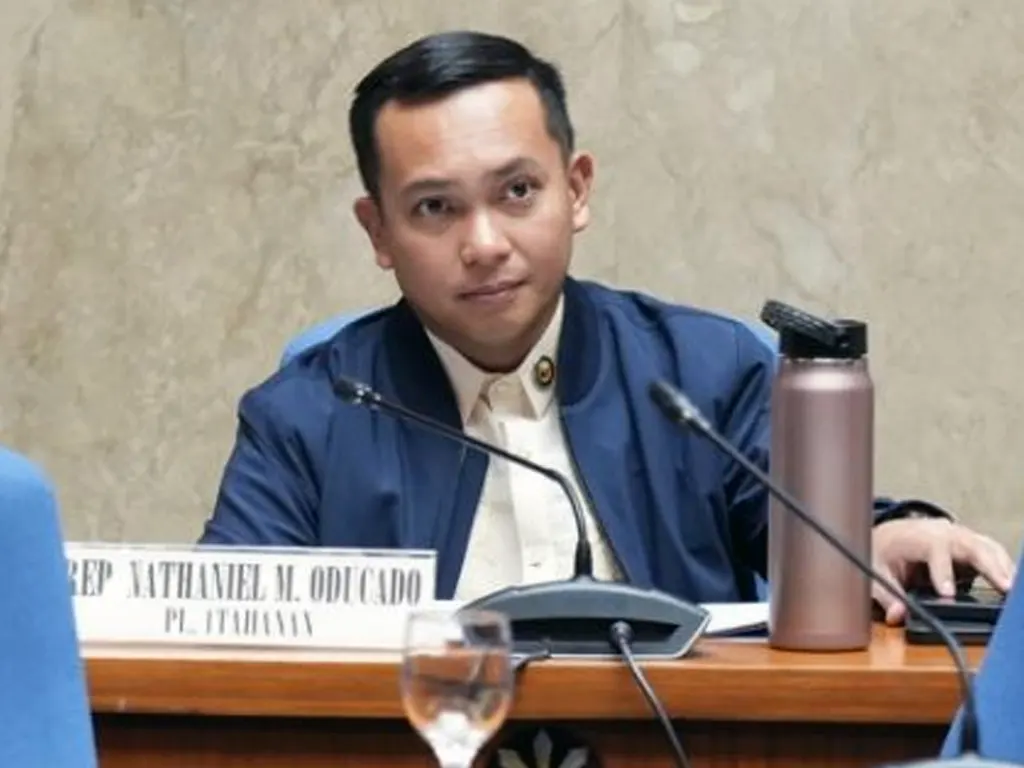
FORMER party-list representative Atty. Nathan Oducado of the consumer rights think tank CONSUMA PH said the President’s SONA directive to remove system loss charges from electricity bills should mark the beginning of broader reforms to the power sector rather than the end of the discussion.
“Removing system loss charges is a welcome step for consumers, but it is not a shortcut to lower bills, especially as the DOE said that it will take a year to fully implement it,” Oducado said. “The DOE must take steps to ensure that the charges will not be merely absorbed into other parts of the electricity bill and then ultimately passed back by power companies to the consumer.”
Oducado explained that system loss occurs throughout the power supply chain, from electricity generation and transmission to distribution, and that while some losses are unavoidable because of technical limitations, others result from aging infrastructure, poor maintenance, and electricity theft, making it necessary to clearly identify which entities should bear the financial responsibility.
“We should never allow the burden to simply move from one line item of the electric bill to another because that would defeat the purpose of lowering electricity costs,” he said.
DOE ASSESSMENT OF ELECTRIC COOPS “OVERDUE”
Oducado welcomed the Department of Energy’s initiative to assess electric cooperatives and determine the investments needed to reduce recoverable system losses, saying the effort could help identify long-term solutions instead of relying on consumers to absorb the costs.
“We commend the DOE for finally undertaking this assessment, but consumers could have benefited much earlier if government had already determined years ago what was driving excessive system losses and what investments were needed to reduce them,” he noted.
Oducado added that there is nothing stopping the DOE and the ERC to assess other inefficiencies and investigate possible excessive charges in generation, transmission, and other aspects of the power supply chain.
“The President’s directive should be a signal for more initiative from the part of regulators for the benefit of consumers,” Oducado maintained.
REAL POWER REFORM SHOULD SCRUTINIZE ALL CHARGES TO CONSUMER
Oducado stressed that there are no shortcuts to lowering electricity prices as meaningful reform requires a comprehensive review of all pass-on provisions allowed under existing laws and regulations, including taxes, subsidies, and other recoverable charges.
“If we are serious about bringing down power rates, we cannot stop at system loss because every charge that is automatically passed on to consumers deserves the same level of scrutiny,” Oducado emphasized.
Oducado specifically called for a review of the Value-Added Tax imposed on various components of the electric bill, noting that VAT is computed on several charge items that consumers do not control, including charges that are themselves passed through by utilities. He added that the President himself highlighted in his SONA that system loss is currently subject to VAT, further increasing the burden passed on to consumers.
Oducado also urged Congress to revisit renewable energy support mechanisms established under the Electric Power Industry Reform Act of 2001 and the Renewable Energy Act of 2008, saying the country’s renewable energy industry has matured significantly since those laws were enacted and that subsidy mechanisms should now be evaluated to determine whether they remain appropriately designed for today’s market.
“We support renewable energy because it is essential to our energy security and obligations to the climate and environment, but every peso collected from consumers must be periodically reviewed to ensure that subsidies remain necessary, transparent, and proportionate to the industry’s current level of development,” Oducado said.
Oducado stressed that lowering electricity prices will require sustained legislative and regulatory reforms that promote efficiency, strengthen accountability, modernize power infrastructure, and ensure that consumers pay only for charges that are fair, reasonable, and supported by clear public policy.
“The President has opened the door to reform, and Congress must now seize the opportunity to undertake a comprehensive review of our power laws so Filipino families can finally enjoy electricity that is not only reliable, but also genuinely affordable,” Oducado said.
metrosundaily