SPEAKER Faustino “Bojie” G. Dy III on Tuesday welcomed the approval on third and final reading of House Bill No. 8468, or the proposed “eBayad Act,” saying the measure brings the country a step closer to realizing President Ferdinand R. Marcos Jr.’s vision of a digitally empowered government and economy.
The House of Representatives approved the LEDAC priority measure with 257 affirmative votes, three negative votes, and no abstentions.
Dy said the bill reflects the administration’s commitment to modernize public services and expand digital financial systems across the country.
“Our goal in the 20th Congress is to help build the foundations of a truly modern government—one where Bagong Pilipinas evolves into a Digital Pilipinas, where government services are faster, more transparent, and more accessible to every Filipino,” Dy said.
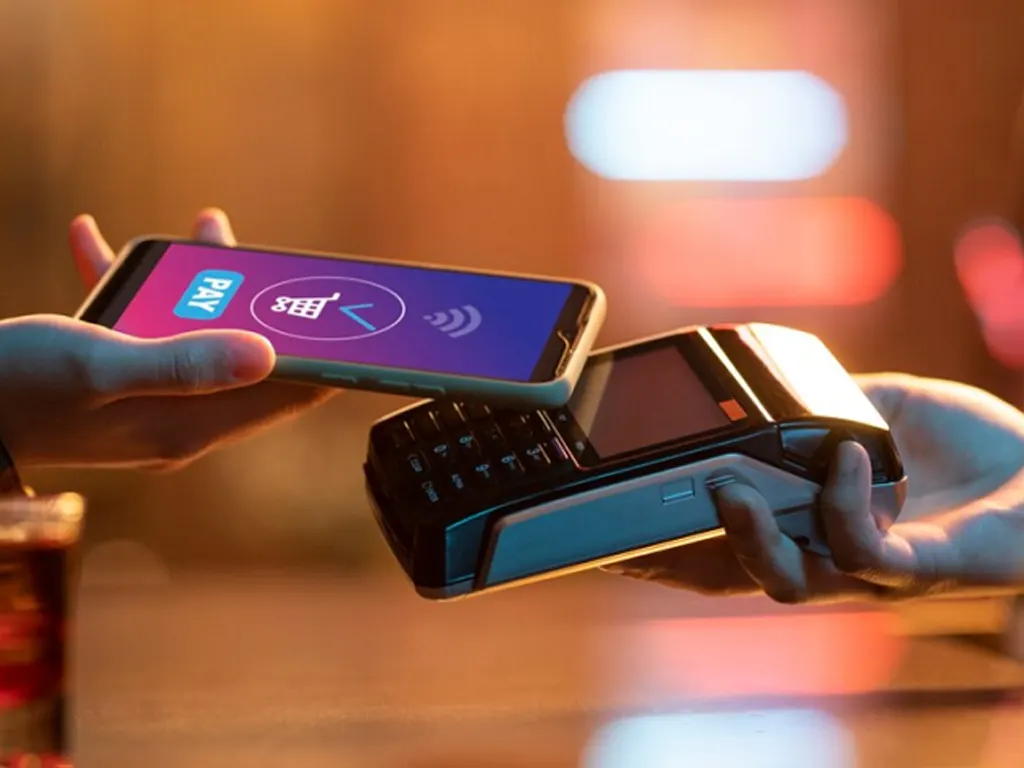
HB 8468 promotes the widespread use of digital payment systems in government financial transactions and among merchants, as part of efforts to improve efficiency, transparency, and financial inclusion.
Under the measure, all government entities—including national government agencies, local government units, government corporations, state universities and colleges, and local universities—will be required to adopt digital payments for government disbursements.
This includes payments for salaries, wages, allowances, honoraria, cash assistance, and other government expenditures, which may be directly credited to recipients’ transaction accounts through electronic fund transfers and other digital payment facilities.
The bill also requires government agencies to offer digital payment options for the collection of taxes, fees, tolls, and other government revenues, while recognizing electronic invoices and receipts as valid proof of payment.
Dy said the measure will help streamline transactions between government and citizens while reducing delays and inefficiencies associated with cash-based systems.
“Ang layunin natin ay mas mapadali, mas mapabilis, at gawing mas malinaw at mas magaan ang pakikipagtransaksiyon sa pamahalaan. Sa pamamagitan ng digital payments, nababawasan ang red tape at mas nagiging transparent ang paggamit ng pondo ng bayan,” Dy said.
The Speaker noted that the measure complements the administration’s ongoing efforts to accelerate digital transformation in government, citing the eGov PH App as an example of how technology is already helping make government services easier to access.
“The eGov app has shown how digital platforms can simplify how citizens interact with government. The eBayad Act ensures that payments and financial transactions move just as seamlessly in the digital space,” Dy said.
The bill also encourages merchants to adopt digital payment systems by directing local government units to provide incentives and assistance, particularly to small and micro-businesses such as market vendors, tricycle operators, and food stall owners.
A steering committee led by the Bangko Sentral ng Pilipinas will oversee the implementation of the digital payment systems and ensure interoperability, transparency, and data security.
Dy said the measure will help strengthen financial inclusion while positioning the Philippines as a more competitive digital economy in the region.
“The shift to digital payments is more than about convenience—it is about building a modern financial ecosystem where more Filipinos can participate in the formal economy and access better opportunities,” Dy said.
The Speaker expressed optimism that the measure will gain support in the Senate and move closer to becoming law.
“As we pursue the vision of Bagong Pilipinas, digital transformation will be one of the key drivers of a more efficient, transparent, and responsive government,” Dy said.
metrosundaily