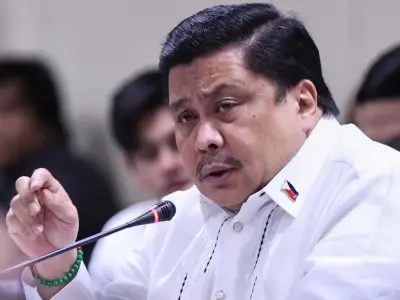


REPRESENTATIVE Joey Sarte Salceda issued a statement today regarding the Supreme Court’s decision lifting the temporary restraining order (TRO) on the No-Contact Apprehension Policy (NCAP).
While respecting the Court’s ruling, Rep. Salceda emphasized the need for four critical safeguards before NCAP implementation:
- Clear Appeals Mechanism: A readily accessible appeals process, similar to the system in the United States where NCAP-type violations can be challenged before a traffic judge, is crucial to ensure due process.
- Consistent Road Signage and Traffic Rules: Inconsistencies and hidden signage across Metro Manila must be addressed to ensure fairness and prevent unfair penalties. Uniform traffic rules are essential for effective enforcement.
- Protection of Pedestrian Rights: NCAP implementation should not unfairly penalize pedestrians, particularly in areas lacking safe crossings. Safe and protected pedestrian infrastructure must be prioritized.
- DILG and PPP Center Guidelines: Clear guidelines from the Department of the Interior and Local Government (DILG) and the Public-Private Partnership (PPP) Center are necessary to prevent violations of commuter rights and due process, especially in cases where NCAP implementation is outsourced to private companies through PPPs.
Rep. Salceda supports the use of technology in traffic enforcement but stressed the importance of upholding constitutional rights.
“I support high-tech traffic enforcement,” he stated. “But we must never allow a system where drivers and commuters are penalized without recourse, transparency, or fairness. Technology must uphold the Constitution—not bypass it. NCAP must be a tool for justice, not just revenue.”
Rep. Salceda has consistently advocated for due process protections in NCAP implementation, warning against potential constitutional violations and erosion of public trust without adequate safeguards.
metrosundaily