MALACANANG has dismissed as unfounded the claim made by Senator Jinggoy Estrada that he was offered multiple opportunities to transfer to the minority bloc in exchange for the dismissal of his graft and corruption cases linked to alleged irregularities in flood control projects.
Estrada, who recently surrendered before authorities, is facing serious legal battles, including a separate plunder case currently handled by the Fifth Division of the anti‑graft court — an offense classified as non‑bailable, meaning he cannot post bail to secure temporary liberty once detained.
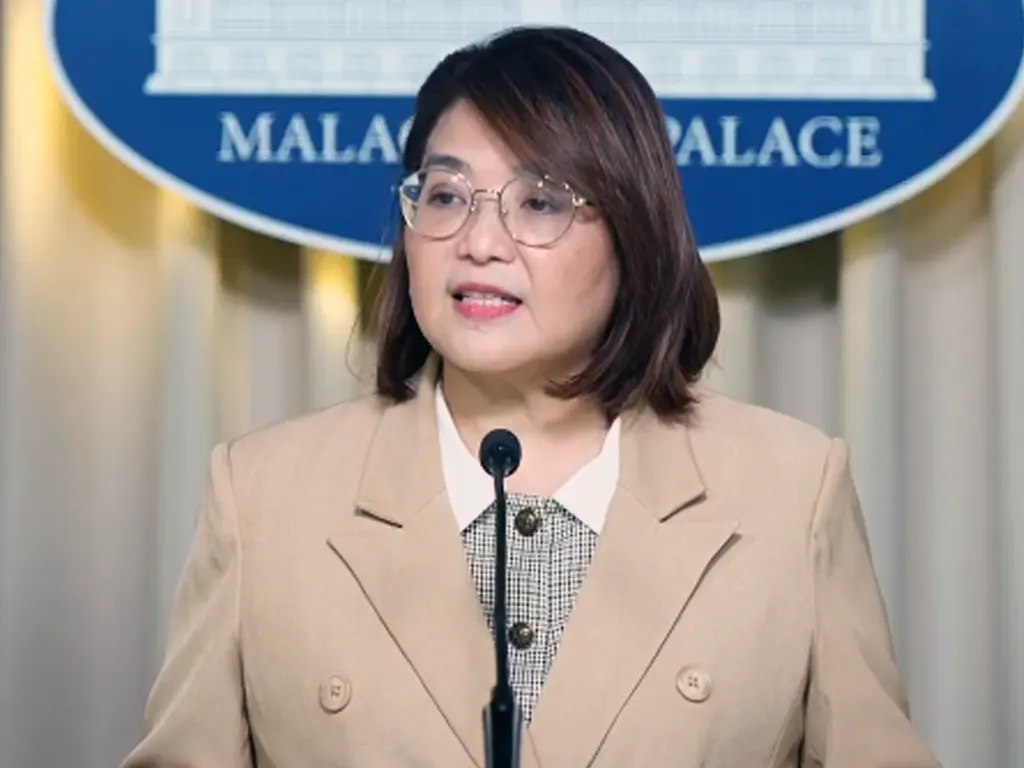
In an ambush interview, Presidential Communications Office Undersecretary and Palace Press Officer Claire Castro clarified that investigations involving Estrada began as early as last year, long before any recent shifts in Senate political alliances.
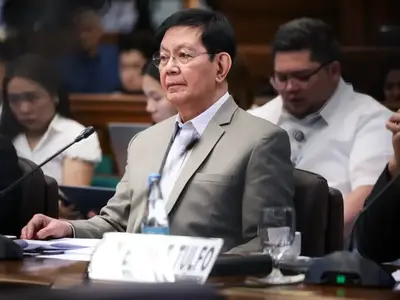
She noted that his name had already surfaced in inquiries conducted both by the Senate and the House of Representatives regarding the infrastructure controversy. Estrada was also summoned to appear before the Commission for Infrastructure, and his alleged involvement was likewise cited in the partial report submitted by Senator Panfilo Lacson, further proving that the legal proceedings are based on prior findings and evidence.
“These matters clearly have no connection with the formation of the 13‑member majority bloc. It cannot be argued that his cases should be dismissed simply because he chooses to join or transfer to the minority,” Castro emphasized. She stressed that the cases against Estrada stem from allegations of misuse of public funds and are being pursued based on facts gathered through proper government probes, not influenced by political moves or negotiations within the Senate.
Castro further stated that dropping the charges solely on the basis of political alignment would be a grave injustice to the Filipino people. “It would be unfair to all citizens if that became the reason to stop pursuing a case where he is allegedly involved in the flood control mess,” she added. The Palace maintained that legal processes must run their course according to the law, and that no political arrangement should interfere with the delivery of justice and accountability for the use of public resources.
metrosundaily