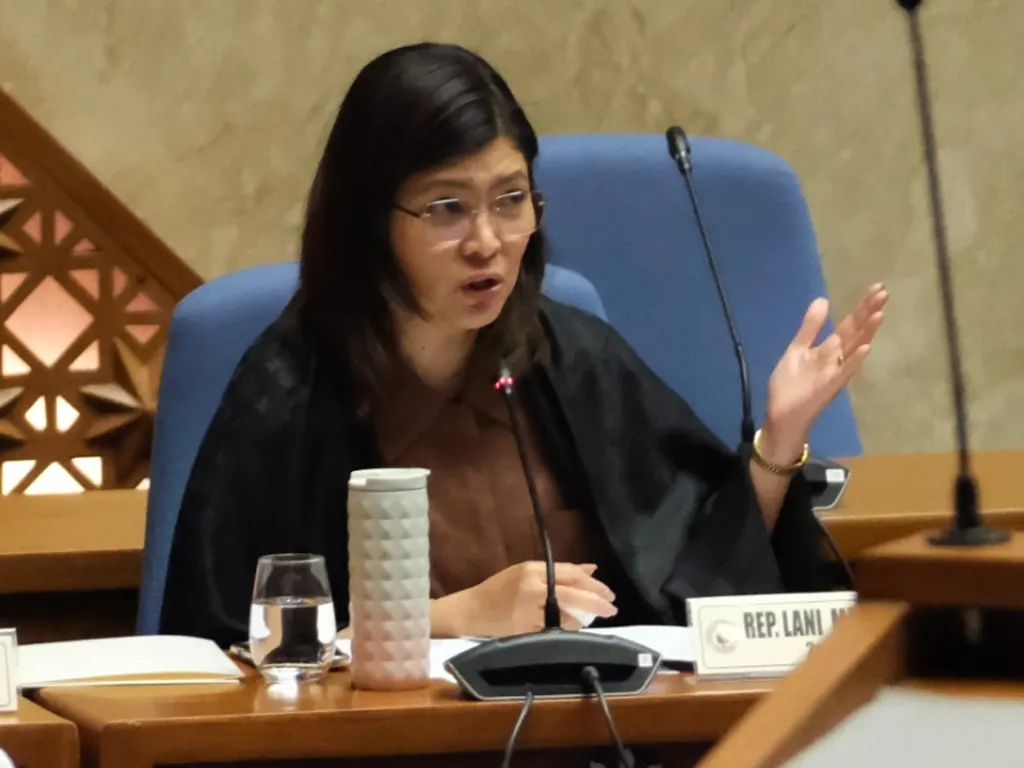
CAVITE 2nd District Representative Lani Mercado-Revilla is pushing for a calibrated Value-Added Tax (VAT) capping mechanism on fuel, calling on the government to forgo “windfall” revenues generated by soaring oil prices and instead provide immediate, broad-based relief to Filipino consumers.
Mercado-Revilla made the proposal during the Legislative Energy Action and Development (LEAD) Joint Committee hearing, positioning VAT capping as a more balanced and fiscally responsible alternative to a full VAT suspension—an option opposed by economic managers due to its potential to wipe out fuel VAT collections and create a significant revenue gap.
“Hindi isang sektor lang sana ang matulungan. Lahat sana ay maramdaman ang tulong ng gobyerno,” Mercado-Revilla said, underscoring the need for inclusive relief as fuel prices continue to rise.
Under the VAT capping proposal, the government would continue to collect VAT based on pre-crisis or “normal” price levels, but refrain from imposing additional VAT on price increases driven by global shocks.
For instance, if a consumer spends ₱1,000 on fuel, the current 12% VAT translates to ₱120 in taxes. With a VAT cap—pegged, for example, at ₱6 per liter—the VAT paid could drop significantly.
“Kung ang isang consumer ay bibili ng ₱1,000 na diesel sa ₱150 per liter, at may VAT cap—sabihin na nating ₱6 per liter—ang babayaran niya sa gobyerno ay ₱36 lang, kumpara sa ₱120 kung 12% ang VAT,” she explained.
The lawmaker emphasized that the proposal does not seek to eliminate VAT collections, but rather to prevent the government from benefiting disproportionately from crisis-driven price increases.
“We are not asking for a total suspension of VAT on fuel. Naiintindihan natin ang fiscal constraints ng gobyerno. What we are proposing is a fair and targeted approach: cap the VAT at pre-crisis levels and forgo the windfall revenues,” she said.
She pointed out that under the current fixed VAT system, government collections automatically rise as fuel prices increase—an outcome she described as inequitable, especially during times of economic hardship.
“The Philippines currently does the opposite—mas kumokolekta tayo ng VAT habang tumataas ang presyo. Nagkakaroon ng windfall collection ang gobyerno, pero masakit ito para sa consumer,” Mercado-Revilla stressed.
Citing practices in other countries, Mercado-Revilla noted that some governments implement “price smoothing” mechanisms, where funds collected during periods of low prices are used to cushion the impact when prices spike.
“Sa ibang bansa, kapag mababa ang presyo, nag-iipon sila ng pondo. Kapag mataas, ginagamit ito para i-subsidize ang presyo. Sana po ay mapag-aralan din natin ito,” she added.
The lawmaker also raised concern over the pace of decision-making on other proposed relief measures, particularly the suspension of excise taxes on fuel.
“Tila mabagal tayo sa pagdedesisyon pagdating sa excise tax, at tila malaki ang mababawas na revenue sa gobyerno. Kaya malaking bagay na mapag-aralan natin itong VAT cap,” she said.
Mercado-Revilla stressed that rising fuel costs have a cascading effect on transportation, food prices, logistics, and electricity—placing disproportionate pressure on ordinary Filipinos, especially the middle class.
“Masakit po ito para sa ating mga kababayan, lalo na sa middle class na tuloy-tuloy ang kaltas ng VAT at withholding tax sa kanilang sahod,” she said.
While acknowledging the Department of Finance’s concern that reducing VAT could impact funding for government assistance programs, Mercado-Revilla urged economic managers to consider a more equitable approach.
“Alam ko na ang dahilan kung bakit ayaw ninyong gawin ang VAT reduction ay dahil mababawasan ang ayuda. Pero kailangan din nating timbangin ang epekto nito sa araw-araw na gastos ng ating mga kababayan,” she said.
She reiterated that VAT capping allows the government to maintain its base revenue collections while avoiding additional gains from extraordinary price increases.
“Kung nagsasakripisyo ang taumbayan, marapat lamang na makibahagi rin ang pamahalaan. This is not about losing revenue—it’s about choosing not to profit from the crisis,” Mercado-Revilla added.
The lawmaker expressed hope that the proposal will be seriously studied and considered as part of the House of Representatives’ broader efforts to cushion the impact of the ongoing fuel and energy crisis on Filipino families.
metrosundaily