THE House Committee on Human Rights is set to launch its investigation next week into the alleged extrajudicial killings (EJK) associated with the controversial war on drugs during the administration of former president Rodrigo Roa Duterte.
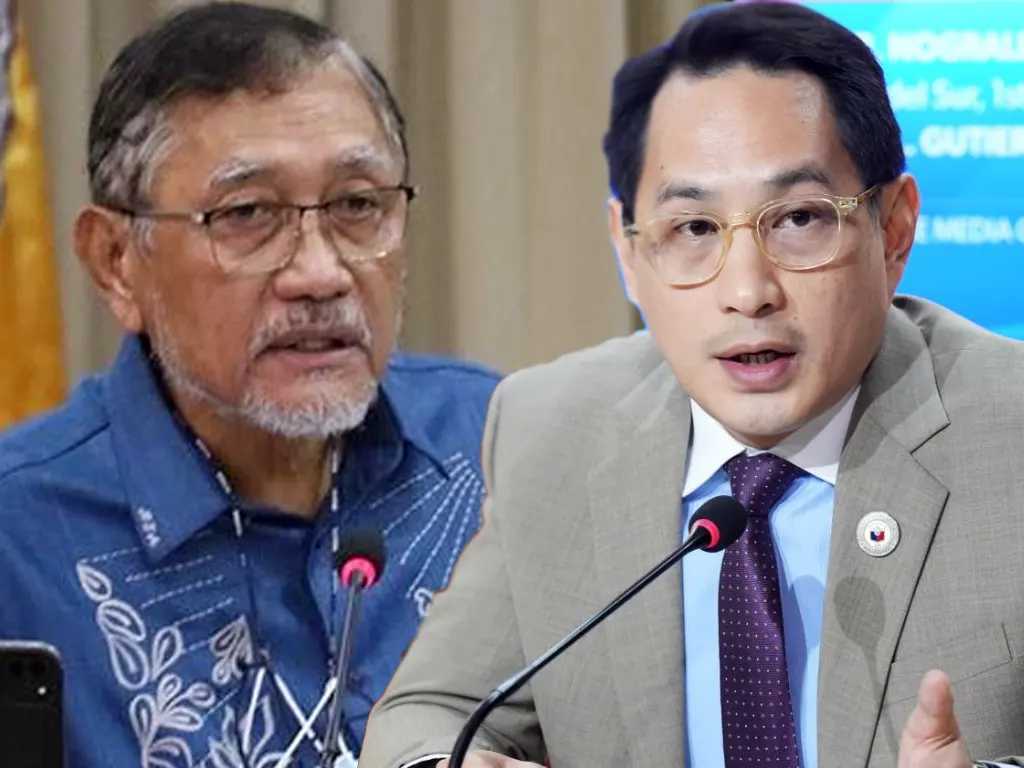
Manila 6th District Rep. Bienvenido “Benny” Abante Jr., chairman of the committee, announced during a press conference that the first hearing, scheduled for May 22, will include a diverse group of participants, such as relatives of drug war victims, police officers, and Cabinet officials from the Duterte administration.
Abante said that the investigation aims to “seek the truth” and gather “comprehensive information” on the alleged widespread human rights violations linked to the drug war, with the ultimate goal of developing legislation to strengthen human rights in the country.
“Ang tanong siguro ng iba, why are we conducting an inquiry into the deaths of alleged drug addicts or drug dealers? First, we must begin with the principle that each life is valuable and that each life lost is a profound tragedy. Second, we must point out that those who lost their lives, like every Filipino, are protected by the rights granted by the Constitution, one of which is due process,” Abante explained.
He added, “Alleged drug users and dealers po sila, ‘di po sila na-convict because these alleged EJK victims were silenced, they were denied their rights. Now, it is our responsibility to the victims of alleged [EJK] and their families to seek the truth.”
Abante clarified that it is not the intention of the committee to pass judgment, a point seconded by panel vice-chairman Lanao del Sur 1st District Rep. Zia Alonto Adiong.
“It’s not actually the intention of the committee to prove whether the drug campaign in the previous administration was bogus or not,” Adiong pointed out.
He said the objective of the committee is to “find out whether in this country, we still exercise, practice due process.”
“Kung malakas pa po ba talaga ang ating prosesong legal pagdating doon sa mga issues na concerning you know, in this particular case, ‘yung mga drug related incidents and that would also trickle down to the concern of whether these legal processes were exercised or not in the previous administration
would also fall on under the context of preserving human rights,” Adiong said.
According to Abante, the committee will extend invitations to relatives of EJK victims, specifically prioritizing the parents of victims who were minors.
Addressing inquiries about the importance of continuing the investigation years after the war on drugs campaign, Abante emphasized, “There are still many questions from our fellow citizens, and until such time that our people are actively raising concerns about human rights issues, we cannot remain silent. We must diligently pursue our duty in thoroughly addressing the accusations surrounding this matter.”
Abante reiterated the committee’s responsibility to diligently investigate accusations, particularly in light of ongoing international scrutiny, such as the investigation by the International Criminal Court.
Abante expressed the belief that Congress has a vital role in investigating these matters in aid of legislation.
He highlighted the potential for legislative action to address abuses and illegalities, including human rights violations, through the formulation of effective policies and laws.
Echoing Abante’s sentiments, Adiong said that the primary objective of the committee is not to assign blame but to enhance existing policies and laws.
Adiong emphasized the committee’s focus on curbing the culture of killing and impunity prevalent in the country.
Government data shows that more than 6,200 drug suspects have died in anti-narcotics sting operations since Duterte took office in June 2016 until November 2021.
metrosundaily