IN a decision aimed at balancing the needs of commuters and public transportation providers, the Land Transportation Franchising and Regulatory Board (LTFRB), under the guidance of DOTr Secretary Giovanni “Banoy” Z. Lopez, has approved fare increases for various public utility vehicles (PUVs).
The adjustments come as the transport sector grapples with the significant impact of rising petroleum prices, exacerbated by Middle East tensions.
LTFRB Chairman Atty. Vigor D. Mendoza II explained that the fare hike computations were thoroughly deliberated and supported by data and analysis, including input from the Department of Economy, Planning, and Development (DEPDev).
“This decision that covers all modes of land public transportation is proof of the national government’s genuine concern on the welfare of those in the transport sector too while protecting the interest of the general commuting public,” stated Chairperson Mendoza. He added that the timing is particularly crucial given the current challenges faced by the transport sector due to escalating fuel prices.
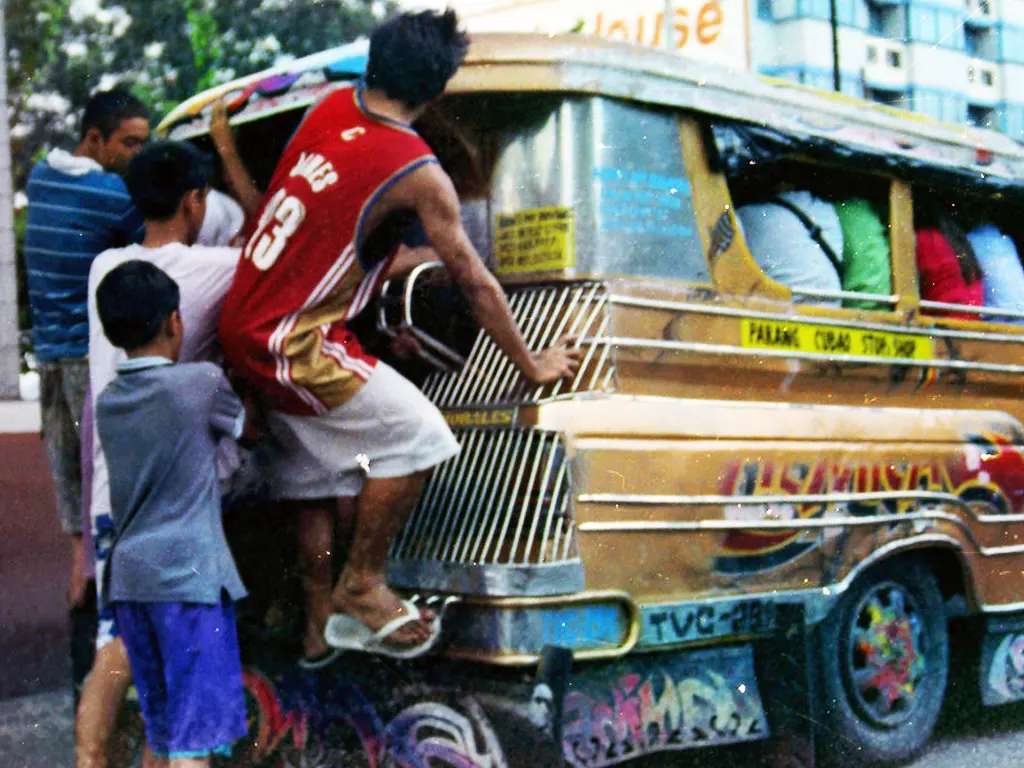
The approved fare adjustments include a P1 increase for the minimum fare of traditional jeepneys, bringing it to P14 from P13, with an additional 20 centavos per succeeding kilometer.
Modern jeepneys will see a P2 increase in their minimum fare, now P17 from P15, and a 10-centavo increase per succeeding kilometer. Airport taxis will have a higher flag-down rate of P115 from P75, though charges for subsequent distances and waiting times remain unchanged. Transport Network Vehicle Services (TNVS) will experience a P20 increase in their base fare, with sedan TNVS now at P65, AUVs at P75, hatchbacks at P55, and premium TNVS at P165.
For buses, Metro Manila and ordinary city buses will have a P2 increase for the first five kilometers, setting the minimum fare at P15, with a slight increase for succeeding kilometers.
Air-conditioned buses in these routes will see a P3 hike for the first five kilometers, making the minimum fare P18, and an increase to P2.98 per succeeding kilometer. Provincial ordinary buses will have a P1 increase for the first five kilometers, with varying adjustments for succeeding kilometers depending on the bus type, ranging from P2.20 to P3.35 per kilometer. Chairperson Mendoza noted that these adjustments reflect an overall 19% increase in fares across all regions, a measure deemed necessary due to a significant rise in maintenance and operational costs, as well as wage increases since the last fare hike in 2022.
The LTFRB also stressed the continued implementation of discounts for senior citizens, PWDs, and students.
metrosundaily