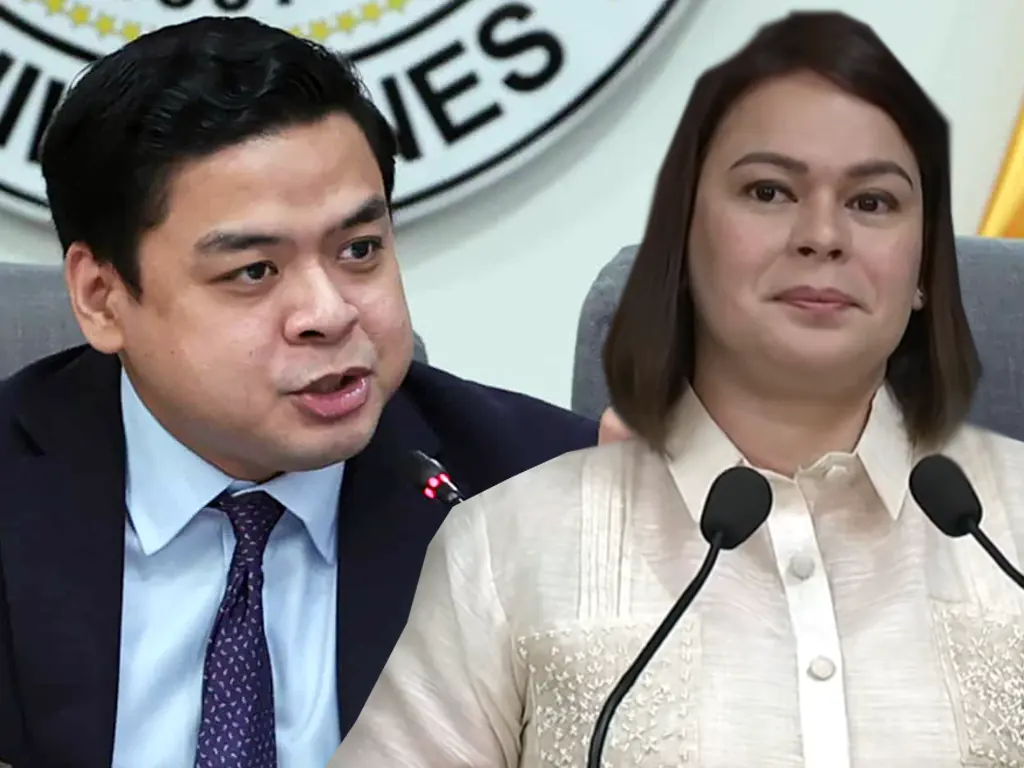
HOUSE prosecutor Terry L. Ridon on Saturday said subpoenaing the financial records of Vice President Sara Z. Duterte and her husband could help determine whether she truthfully disclosed her assets in her Statements of Assets, Liabilities and Net Worth (SALNs) and whether she accumulated unexplained wealth while in public office.
Ridon said the prosecution remains optimistic that the Senate impeachment court will grant its request to subpoena the couple’s bank records, Bureau of Internal Revenue (BIR) documents and Anti-Money Laundering Council (AMLC) records when it hears additional arguments from both sides on Monday.
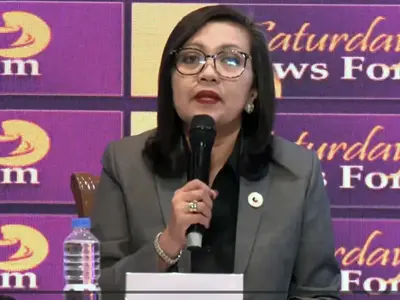
“Mataas po ‘yung pag-asa ho namin na makukumbinsi namin ang korte sa darating pong Lunes,” Ridon said during the Saturday News Forum at Dapo Restaurant in Quezon City.
The House prosecution sought the subpoenas to support the impeachment article alleging that Duterte amassed unexplained wealth and failed to fully and truthfully disclose assets and financial interests in her SALNs, acts it argues constitute betrayal of public trust.
Ridon said the requested records are necessary to establish a financial baseline dating back to Duterte’s years as vice mayor of Davao City, allowing the impeachment court to compare her declared assets with her actual financial records throughout her years in public office.
He noted that Duterte declared a net worth of P88.5 million in her 2024 SALN, but argued that examining only the years of her vice presidency would not provide a complete picture of how that wealth was accumulated.
“So mahalaga po na mabuo ho natin ‘yung kabuuang litrato mula po nung nag-umpisa siya bilang vice mayor sa Davao City, naging mayor, at naging vice president,” Ridon said.
“Hindi ho tayo pwede magkaroon ng credible na pagtingin sa unexplained wealth or sa explainable wealth ng ating pong Pangalawang Pangulo kung ang pagbabatayan lang po natin ay ‘yung kasalukuyang mga taon ng termino.”
Ridon maintained that the Senate, sitting as an impeachment court, has clear constitutional authority to compel the production of the requested records.
He said there should be no legal dispute over the subpoena of bank records because impeachment proceedings are expressly recognized as an exception to the Bank Secrecy Law.
“Wala ho dapat na debate doon po sa pag-subpoena ng mga bank accounts. Ito po ay very clear exceptions sa Bank Secrecy Law. ‘Yung impeachment trial, impeachment proceedings ay specific exception sa Bank Secrecy Law,” he pointed out.
Ridon added that the Senate’s constitutional power to subpoena evidence cannot be curtailed by confidentiality provisions governing BIR and AMLC records.
“Ang pinagbabatayan po ng kapangyarihan to subpoena ng ating Senate impeachment court ay ‘yung Constitution po mismo,” he said.
“Hindi ho pwedeng sagkaan ito ng kahit ano mang confidentiality provisions ng mere ordinary legislation.”
Ridon said the bank records could also test the accuracy of Duterte’s SALNs.
He noted that Duterte declared no cash on hand and no cash in bank in her SALNs from 2019 to 2024.
“Nakalagay po sa SALN ng ating pong Pangalawang Pangulo from 2019 to 2024, wala pong cash on hand, wala pong cash in bank,” Ridon said.
He said that if the subpoenaed records show money in those accounts during the same period, even in the smallest amount, they could establish that Duterte made false declarations in her SALNs.
“Sa event that the bank accounts are opened within the periods of 2019 to 2024 at meron pong pera, kahit piso, doon po sa mga bank accounts na ito, malinaw po ito na pagsisinungaling sa kanyang SALN,” he said.
“Malinaw po ito na SALN violation, malinaw po ito na impeachable offense, betrayal of public trust.”
Ridon said the issue mirrors the impeachment conviction of former Chief Justice Renato Corona in 2012, when discrepancies between his SALN and his financial records became a key basis for his removal from office.
The Senate impeachment court is scheduled to hear additional oral arguments on Monday on the prosecution’s request to subpoena the subject bank, BIR and AMLC records before ruling on whether to compel their production.
metrosundaily