THE House prosecution on Tuesday informed the Senate impeachment court that it intends to call Vice President Sara Z. Duterte as a hostile witness as it presents evidence on the fourth Article of Impeachment, which accuses her of making grave threats and committing acts of sedition.
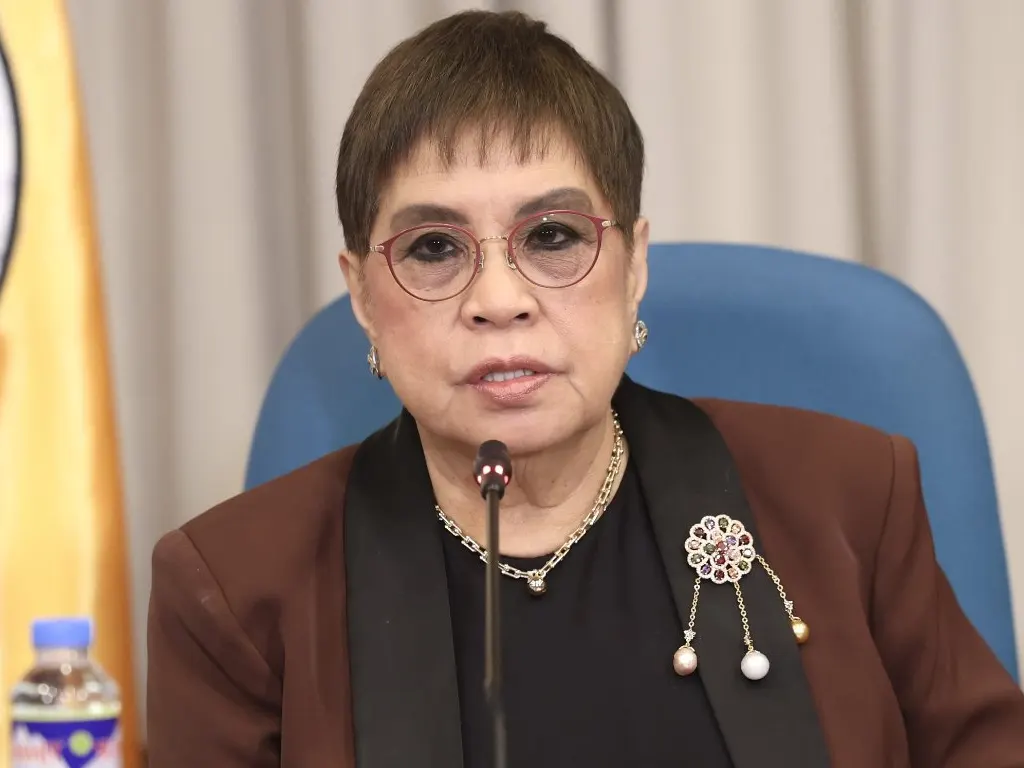
Atty. Lorna Kapunan, counsel for the House prosecutors, raised the matter after Duterte briefly appeared at the Senate earlier in the day, where she addressed reporters before leaving the session hall.
The vice president delivered a one-sentence statement without taking questions: “In this bloodbath and bludgeoning, I will be bloodied but unbowed.”
When the afternoon proceedings resumed, Kapunan asked whether Duterte intended to personally appear before the impeachment court, saying the answer was relevant to the prosecution’s presentation of witnesses.
“This is relevant to the presentation that we will be making this afternoon,” Kapunan said, noting that the court had earlier directed the prosecution to identify every Tuesday the witnesses it intends to present so subpoenas may be issued when appropriate.
Kapunan said the prosecution was presenting evidence on the fourth Article of Impeachment, which alleges grave threats and acts of sedition. The article centers on Duterte’s alleged public threats against President Ferdinand R. Marcos Jr., First Lady Liza Araneta-Marcos and former House Speaker Ferdinand Martin G. Romualdez.
She said the vice president herself was among the prosecution’s principal witnesses.
“One of the key witnesses, hostile, would be the vice president,” Kapunan told the court.
“We are already respectfully informing this Honorable Court that we will manifest that we will have a written request for her presence in connection with this article on grave threats,” she added.
Sen. Francis “Chiz” Escudero, presiding officer of the Senate impeachment court, declined to direct the question to the defense, saying he preferred to rule on the prosecution’s manifestation rather than invite a debate between the parties.
“The impeachment rules do not mandate nor require the respondent to attend any hearing or trial of the impeachment court,” Escudero said.
“Whether she was in the building earlier or arrived after, it is totally up to the respondent because from the point of view of the court, she is represented in this court through her counsel already,” he added.
Escudero said the court would act on any motion seeking Duterte’s appearance only after it is formally filed, at which point the defense would be given an opportunity to comment.
“Should the counsel for the prosecutors desire to call the respondent herself, the court will act on that motion and request once it is made and or filed, and need not make a ruling at this point in time,” he said.
Kapunan accepted the ruling but emphasized that the prosecution was reserving its right to compel Duterte’s testimony.
“With that, we will reserve the right. We are not waiving the right to call her at the appropriate time and to file the appropriate request for subpoena duces tecum and subpoena testificandum,” Kapunan said.
metrosundaily