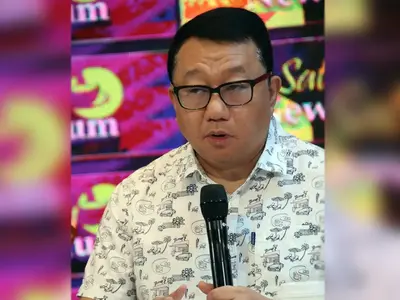
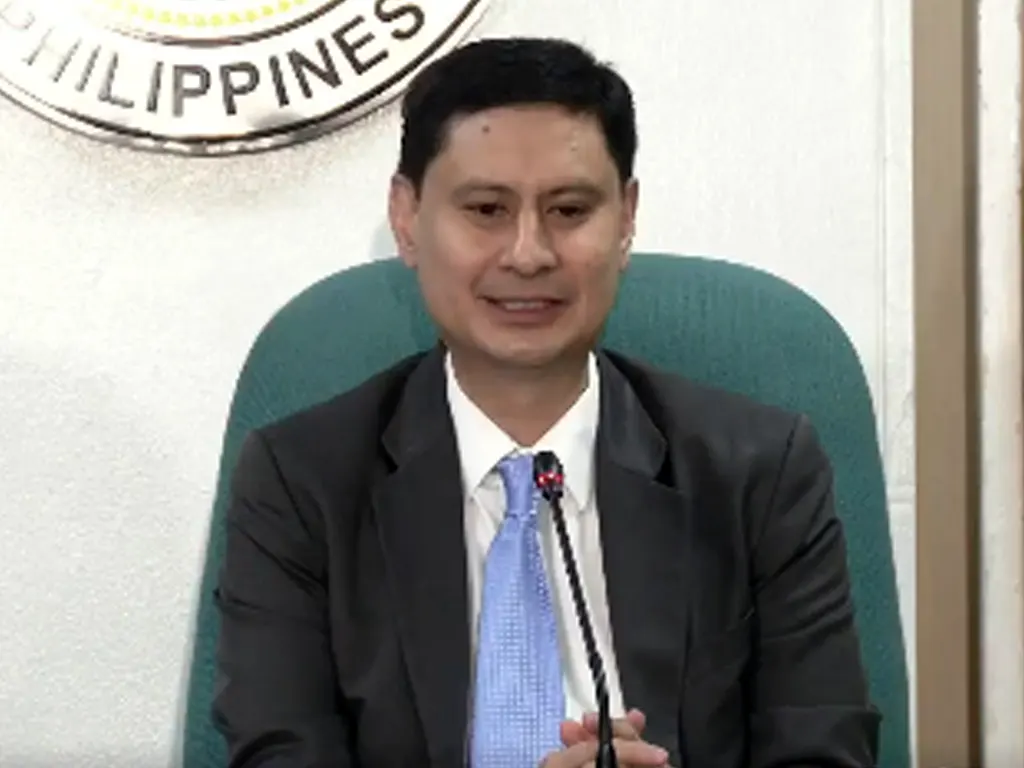
HOUSE prosecutor Lorenz Defensor of Iloilo on Tuesday said the impeachment trial of Vice President Sara Z. Duterte is not only about the allegations against her but also about the standards of integrity and accountability expected of the country’s highest public officials.
Opening the House prosecution’s presentation on the fourth Article of Impeachment before the Senate sitting as an impeachment court, Defensor laid out the prosecution’s case that Duterte’s public threats against President Ferdinand R. Marcos Jr., First Lady Liza Araneta-Marcos and former Speaker Ferdinand Martin G. Romualdez constituted betrayal of public trust, culpable violation of the Constitution and high crimes.
The fourth Article of Impeachment accuses Duterte of publicly admitting during a live broadcast that she had contracted someone to kill the President, the First Lady and the former Speaker.
Defensor, who also serves as House senior deputy majority leader, said the trial ultimately turns on a larger constitutional question.
“At the heart of this impeachment proceeding lies a fundamental question para sa ating lahat: Can we continue to entrust one of the highest constitutional offices to a public official who, on multiple occasions, purposely and willfully, and repeatedly, resorted to threats of violence against the very institutions that she swore to uphold and protect?” he said.
Defensor said the proceedings also challenge the nation to define the values expected of those entrusted with its highest offices.
“What values do we expect from those who occupy the highest office in the land? Delikadesa, palabra de honor, integrity, and loyalty to your oath of office,” Defensor said.
“These are not outdated ideals; they are the foundations of honorable public office,” he said.
Defensor said the prosecution’s evidence rests not only on witness testimony and authenticated documents but also on Duterte’s own public statements.
“The evidence presented in this article are not just derived from testimonies and authenticated documents, but from the vice president’s own words, own conduct, her very own public admissions,” Defensor pointed out.
“Her words were neither accidental nor taken out of context; they were uttered publicly with the intention to be taken seriously,” he said.
He maintained that those statements carried exceptional weight because they were made by the country’s second-highest official.
“What makes these threats especially sinister is that they do not come from an ordinary citizen, but from the vice president herself, an official who, under the Constitution, stands to succeed the President of the Republic,” Defensor said.
“Such statements carry a gravity far from the exercise of one’s freedom of expression; they strike at the very heart of government,”
he said.
Drawing parallels with recent cases in which authorities swiftly enforced the law against individuals who made threats or bomb jokes, Defensor said accountability must be applied consistently, regardless of age, status or position.
He cited, among others, the Tacloban school shooting involving minors, the arrest of an airport passenger over a bomb joke, and the prosecution of a public school teacher who threatened the President.
“Ang pananagutan ay pinapairal sa lahat. Bata man o matanda, nasa laylayan man o nasa katungkulan,” he said.
Defensor said the same principle should apply to the country’s highest officials, stressing that impeachment exists to ensure that power is never exercised without accountability.
“Kaya ang paglilitis na ito ay mahalagang mekanismong itinakda upang tiyakin na ang kapangyarihan ay laging may kaakibat na pananagutan. Accountability must apply to all or none at all,” Defensor stressed.
metrosundaily