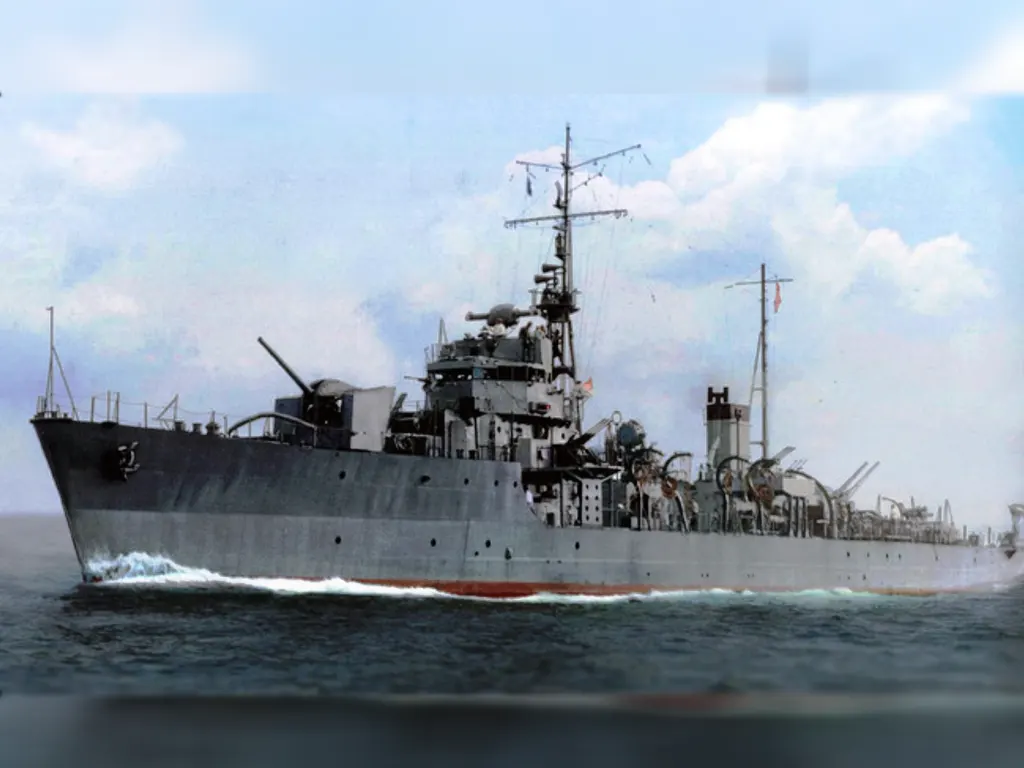
JAPANESE media reported on Sunday that Japan is set to export six warships to the Philippines.
According to a translated report from the Yomiuri Shimbun, a leading Japanese newspaper, Tokyo and Manila have agreed on the export of six Abukuma-class destroyer escorts, commissioned between 1989 and 1993. The Yomiuri Shimbun cited multiple Japanese government officials as sources for this information, stating that the export was confirmed by then-Defense Minister Gen Nakatani and Philippine Defense Minister Gilberto Teodoro during a meeting in Singapore earlier in June.
The 2,550-ton Abukuma-class vessels, classified as general-purpose destroyer escorts primarily used for anti-submarine warfare (ASW), have been in service for over 30 years. Their gradual retirement, due to personnel shortages within the Japan Maritime Self-Defense Force, makes them suitable for export.
The Yomiuri Shimbun highlighted that this would be the first export of this type of warship from Japan. The export aims to enhance interoperability with the Philippine military and bolster joint deterrence and response capabilities against China’s growing presence in the region.
The Philippine Navy is scheduled to inspect the ships this summer to assess their condition and prepare for the export. This acquisition will supplement the Philippine Navy’s modernization efforts, which include purchasing guided missile frigates and corvettes from South Korea and fast missile patrol boats from Israel, alongside older vessels acquired from the United States and the United Kingdom.
The report also noted the significant disparity in naval power between China (possessing 102 surface combatants) and the Philippines (with only two frigates), according to the UK’s International Institute for Strategic Studies’ Military Balance 2025 edition.
The export may require adjustments to the ships’ weapon systems to comply with Japanese export guidelines, which typically restrict the transfer of offensive weaponry.
This development underscores the strengthening security cooperation between Japan and the Philippines, following the recent ratification of a defense agreement allowing Japanese forces to conduct joint training exercises in the Philippines, and the establishment of the Acquisition and Cross-Servicing Agreement (ACSA) and a Security of Information Agreement in April.
metrosundaily