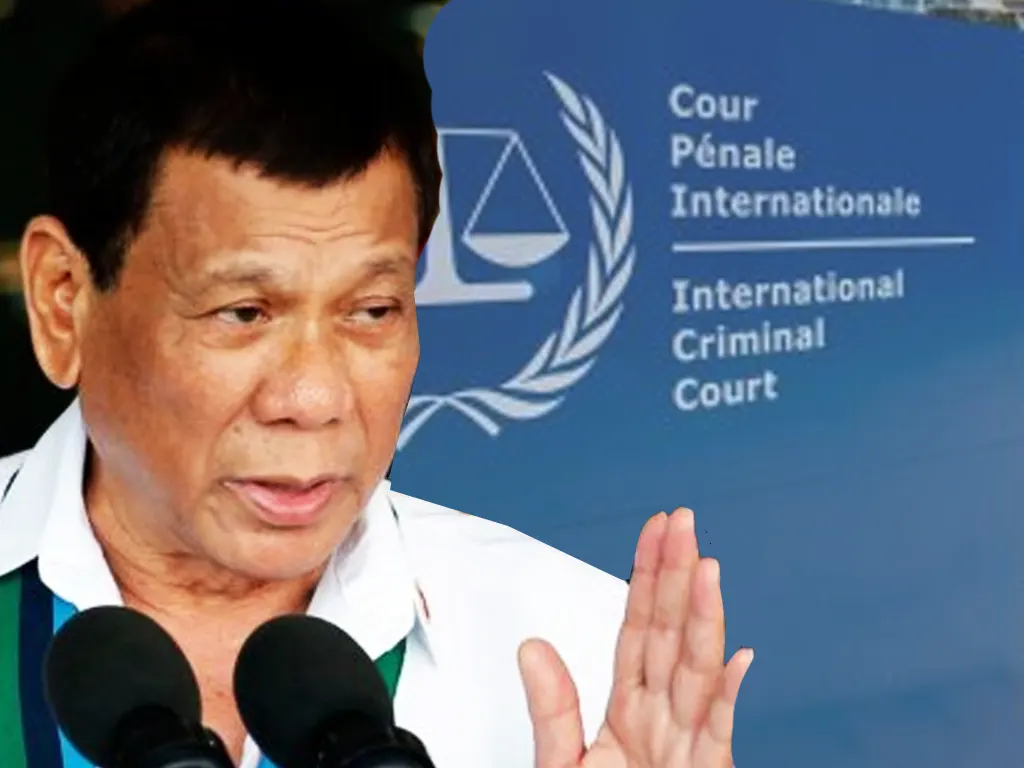
THE International Criminal Court (ICC) has officially commenced its confirmation of charges hearings regarding the case against former Philippine President Rodrigo Duterte.
This marks a significant step in the investigation into alleged crimes against humanity committed during Duterte’s “war on drugs.” The hearings aim to determine whether there is sufficient evidence to proceed to a full trial. This development has drawn international attention, with human rights organizations and legal experts closely monitoring the proceedings.
During the confirmation of charges hearings, the ICC prosecution will present evidence to demonstrate that Duterte and other high-ranking officials bear responsibility for the widespread and systematic killings that occurred during the anti-drug campaign.
The prosecution is expected to argue that these actions constitute crimes against humanity, including murder, torture, and other inhumane acts. Representatives of victims and their families will also have the opportunity to present their accounts and perspectives, highlighting the devastating impact of the “war on drugs” on communities across the Philippines.
The defense team representing Duterte is anticipated to challenge the ICC’s jurisdiction and the admissibility of the evidence presented. They may argue that the Philippine government is capable of investigating and prosecuting any alleged crimes, thereby invoking the principle of complementarity.
Additionally, the defense could raise questions about the credibility and reliability of the evidence, seeking to undermine the prosecution’s case. The hearings are expected to be contentious, with both sides presenting complex legal arguments and potentially conflicting accounts of events.
The outcome of the confirmation of charges hearings will have far-reaching implications for international justice and accountability.
If the ICC judges determine that there is sufficient evidence, the case will proceed to trial, potentially leading to an international arrest warrant for Duterte and other implicated individuals. Conversely, if the judges find the evidence insufficient, the case may be dismissed, although the ICC could still pursue other avenues for investigation and prosecution. Regardless of the immediate outcome, the ICC’s involvement in the Duterte case underscores the importance of holding individuals accountable for alleged human rights violations and ensuring that victims receive justice and redress.
metrosundaily