

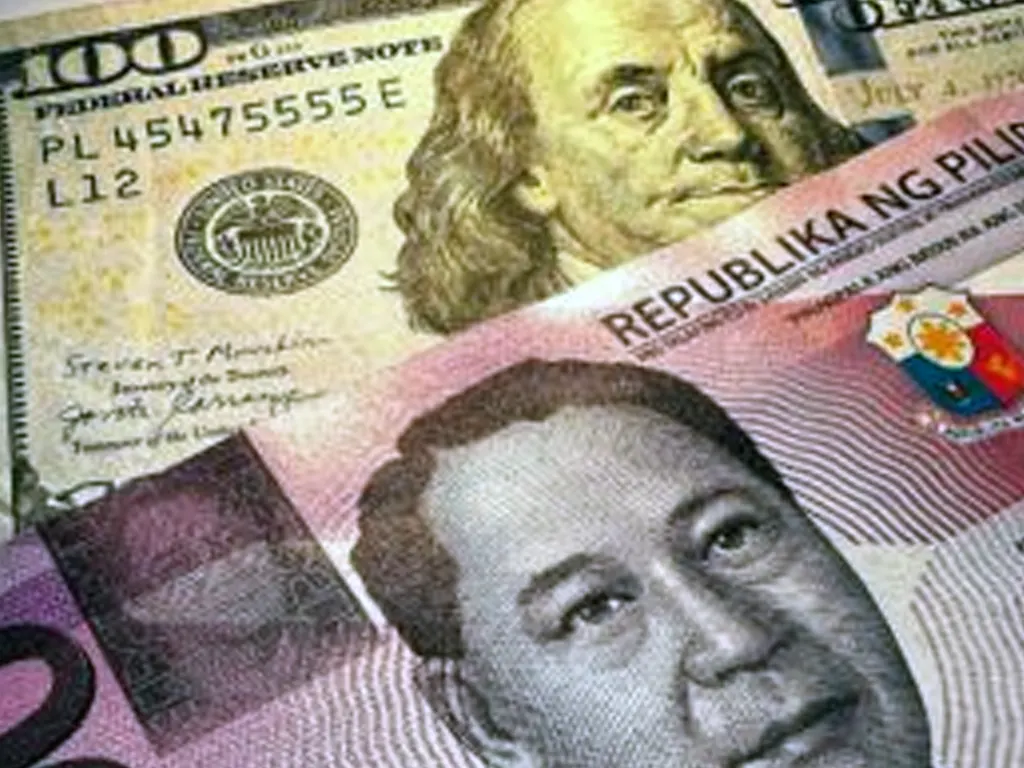
THE Philippine peso tumbled to another historic low on Tuesday, breaking the psychologically significant ₱64 against the US dollar threshold during intraday trading.
The currency opened at ₱63.95, matching Monday’s record close, before weakening further to touch ₱64.00 — marking the 32nd time the local unit has set a new low this year. It traded between a low of ₱64.00 and a high of ₱63.93 through the session, underscoring the sustained downward pressure on the currency.
Two major forces are driving the peso’s slide: soaring global crude oil prices and a stronger US dollar backed by hawkish signals from the Federal Reserve.
The ongoing conflict in the Middle East has heightened uncertainty in energy markets, pushing up oil costs and increasing demand for the greenback as a global safe-haven currency. Since the Philippines is a net oil importer, pricier fuel widens the country’s trade deficit and places additional strain on the peso, which has lost considerable ground through 2026.
The US Federal Reserve’s stance has also bolstered the dollar, with policymakers signalling that interest rates may remain elevated for longer than anticipated. Higher yields on US assets draw capital away from emerging markets like the Philippines, further weighing on the local currency. Market analysts are monitoring both developments closely, noting that sustained volatility in oil prices or shifts in Fed guidance could determine whether the peso stabilises or extends its decline in the coming days.
metrosundaily