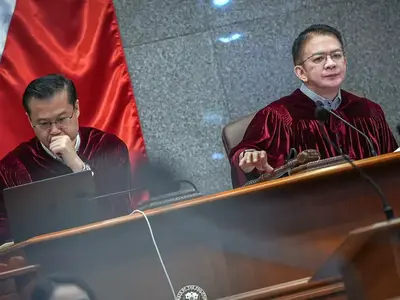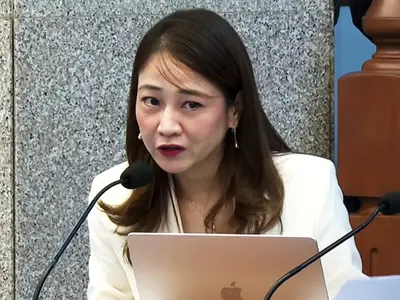
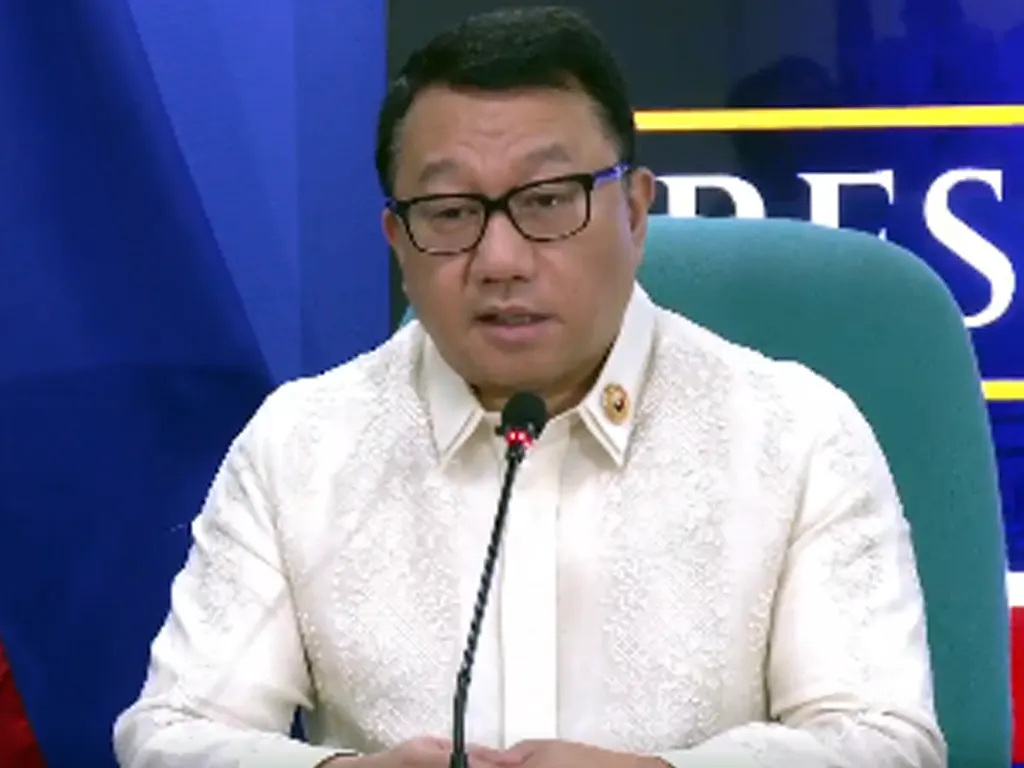
THE Supreme Court’s (SC) dismissal of petitions challenging the House impeachment proceedings against Vice President Sara Z. Duterte has removed an immediate source of uncertainty and left the Senate Impeachment Court as the forum for resolving the charges, House prosecutor Joel Chua said Wednesday.
Chua announced during the prosecution panel’s press conference following Day 13 of the trial that it had just received the Supreme Court’s official statement.
“We now received a copy of the official statement of the Honorable Supreme Court,” Chua said.
Reading from the announcement, Chua said the high court had found that the petitions no longer presented a live controversy requiring adjudication.
“The Supreme Court ruled that the issues raised in the petition had become moot and academic, or no longer required resolution,” he said.
The Court cited the completion of the proceedings in the House and the transfer of the impeachment case to the Senate.
“Because the House had already approved and transmitted the Articles of Impeachment to the Senate,” Chua read.
A dismissal based on mootness means that subsequent events have overtaken the relief sought by the petitioners. It does not determine whether Duterte is guilty or innocent of the allegations, nor does it automatically validate every action taken by the House or declare the prosecution’s evidence admissible.
Chua acknowledged that the panel had received only the announcement and had not yet studied the full ruling.
“Hindi naman natin masasabi kung ano talaga ’yung pinakanaging laman,” he said.
The petitions had questioned the authority and procedures of the House Committee on Justice and sought relief against the continuation of its impeachment proceedings. Duterte’s camp had characterized the committee hearings as an unconstitutional “mini-trial” and a “fishing expedition.”
Those House proceedings have since concluded. After evaluating the complaints, receiving evidence and determining probable cause, the committee recommended Articles of Impeachment to the chamber. The House adopted the Articles and transmitted them to the Senate, which has the sole constitutional power to try and decide impeachment cases.
The disposition differs from the Supreme Court’s action on Duterte’s previous impeachment in 2025, when the high court voided the Articles on constitutional grounds. Fresh complaints were filed and processed in 2026 before the current Articles were elevated to the Senate.
For Chua, the latest dismissal means the pending petitions can no longer be invoked to stop a House process that has already ended.
“Well, napakahalaga. Unang-una, at least makahinga na tayo na magtutuloy-tuloy na ito at wala nang magiging sagabal dito sa impeachment na ginagawa ngayon dito sa Senado,” Chua said.
The dismissal does not prevent Duterte’s lawyers from challenging the prosecution’s witnesses and documents before the Impeachment Court. The defense retains the right to object, conduct cross-examination and present contrary evidence.
The prosecution, for its part, must still establish the Articles through competent evidence. The senator-judges will determine the admissibility, credibility and weight of that evidence and ultimately decide whether the charges have been proven.
Chua said the SC’s action nevertheless removes the fear that the pending House-stage challenges could abruptly interrupt the trial.
“Hindi na tayo kakaba-kaba na baka mamaya, bukas-makalawa, ay patitigilin tayo,” he said.
He said the parties should now focus on litigating the substance of the Articles before the constitutionally designated impeachment tribunal.
“Ngayon ang usapin ay nandito na sa Senado kaya wala nang issue sa jurisdiction,” Chua said.
metrosundaily