
Courtesy: Senate of the Philippines
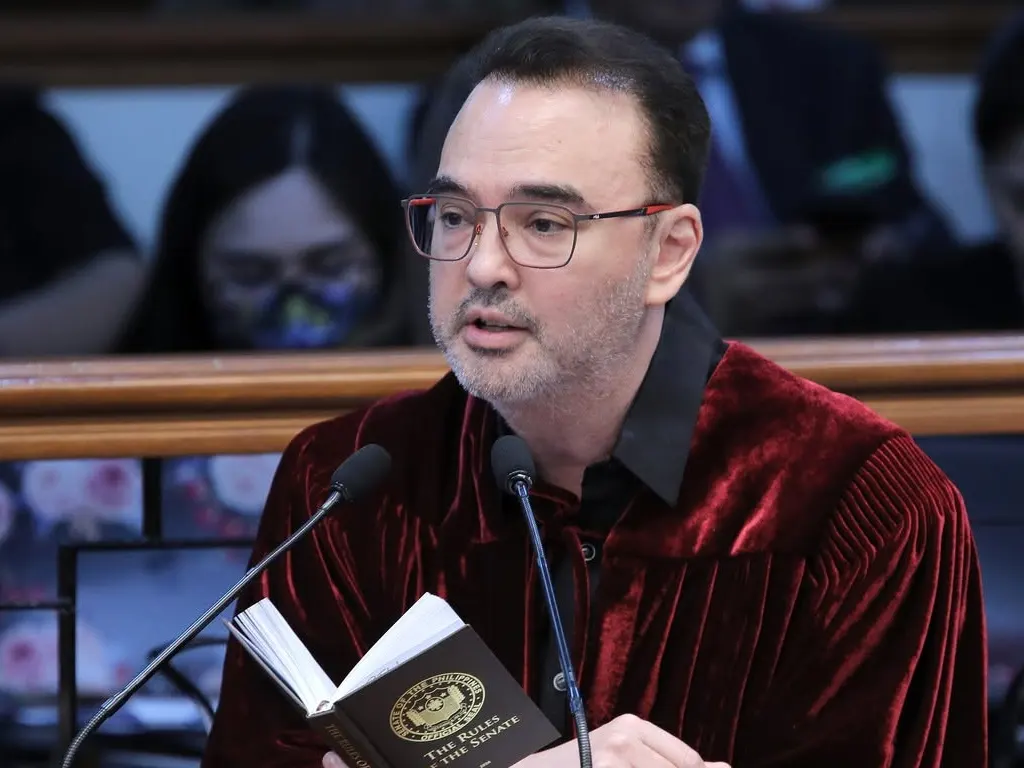
SENATOR-JUDGE Alan Peter Cayetano has formally urged the Impeachment Court to coordinate with the Sandiganbayan to secure the attendance of detained Senators Jinggoy Estrada and Rodante Marcoleta during the ongoing proceedings.
In his statement, Cayetano emphasized the importance of ensuring that all members of the court can participate fully, even if they are currently facing legal cases or held in custody. He noted that their presence is essential to maintain the completeness and legitimacy of the court’s composition as it hears the impeachment trial of Vice President Sara Duterte.
Cayetano further argued that while Senator Estrada is currently under suspension due to his own legal issues, the Impeachment Court is considered sui generis—meaning it is a unique body created solely by the Constitution and operates under its own set of rules and authority. This distinction, he said, means that restrictions imposed by other courts or bodies should not automatically bar eligible members from exercising their duties in this specific proceeding. The same principle, he added, applies to Senator Marcoleta, who is detained in connection with the recent plunder case filed against him.
In response to the proposal, Presiding Officer Senator Chiz Escudero acknowledged the concern raised by Cayetano and assured that the matter will be properly addressed. He stated that he intends to consult the other senator-judges to gather their views and reach a collective decision on how to proceed. Escudero also noted that any arrangement would need to comply with both the rules of the Impeachment Court and the directives of the Sandiganbayan, to ensure that proper legal protocols are followed.
This development highlights the practical and legal challenges facing the court as it moves forward with the trial. Resolving the attendance issue will set an important precedent regarding the participation of members who are detained or suspended, and it will help shape how future proceedings are conducted. The coordination between the two courts, if approved, would also reflect efforts to balance legal constraints with the constitutional duty of senators to perform their role as judges in impeachment cases.
metrosundaily