
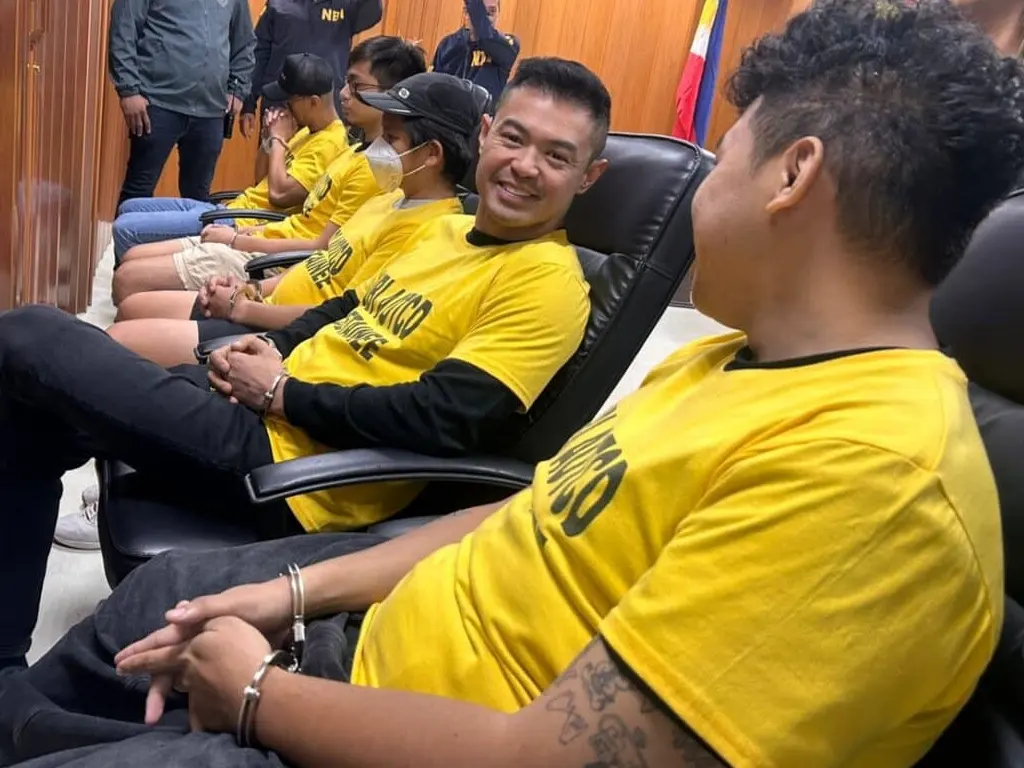
A PASIG City regional trial court has issued a cyber search warrant authorizing the National Bureau of Investigation (NBI) to access and examine digital devices belonging to Franco Mabanta, founder of Peanut Gallery Media Network (PGMN), and his associates.
NBI Director Melvin Matibag confirmed the development during a briefing on Tuesday, noting that this legal clearance allows investigators to go through the contents of phones, computers, and other seized gadgets as part of the probe into an alleged extortion attempt targeting former House Speaker Martin Romualdez. “We will be able to see exactly who he communicated with and identify all personalities involved or connected to him in this matter,” Matibag stated, emphasizing that the review aims to uncover the full scope of the transactions and conversations related to the case.
The investigation stems from allegations that surfaced early this month, where Mabanta was accused of demanding ₱350 million from Romualdez. According to authorities, Mabanta claimed to possess video evidence linking the former speaker to the multi-billion-peso flood control corruption scandal, and threatened to release the materials publicly through PGMN if the payment was not made.
The NBI conducted an entrapment operation shortly after the complaint was filed, leading to Mabanta’s arrest along with four companions. However, Mabanta and his group have strongly denied any wrongdoing, describing the arrest as a “setup” and insisting that their actions are part of legitimate media work protected by freedom of expression.
Director Matibag earlier clarified that the case does not concern the exercise of press freedom or the right to report on matters of public interest, but rather involves criminal acts separate from journalistic activity.
He argued that demanding money in exchange for suppressing information or avoiding publication constitutes extortion or blackmail — offenses that are not shielded by constitutional rights. This position remains central to the bureau’s strategy as it moves to analyze digital evidence, which is expected to shed light on whether the communications in question were part of news gathering or a deliberate scheme to obtain money under threat of exposure.
Following their arrest, Mabanta and his four companions were released from NBI custody on May 9 after posting the required bail. Even so, the legal process continues to move forward, with the examination of digital devices serving as a critical next step.
Data retrieved from these gadgets — including messages, call logs, emails, and stored files — could provide vital proof to either support the allegations or validate the defense’s claim of political harassment. The outcome of this technical review will likely shape the direction of the case, as investigators work to establish the facts amid conflicting narratives regarding the nature and purpose of Mabanta’s interactions with Romualdez.
metrosundaily