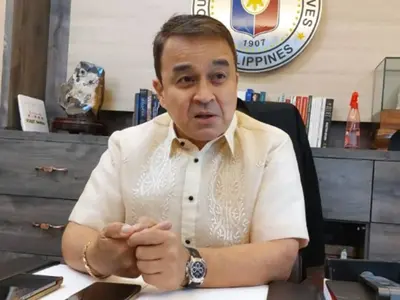
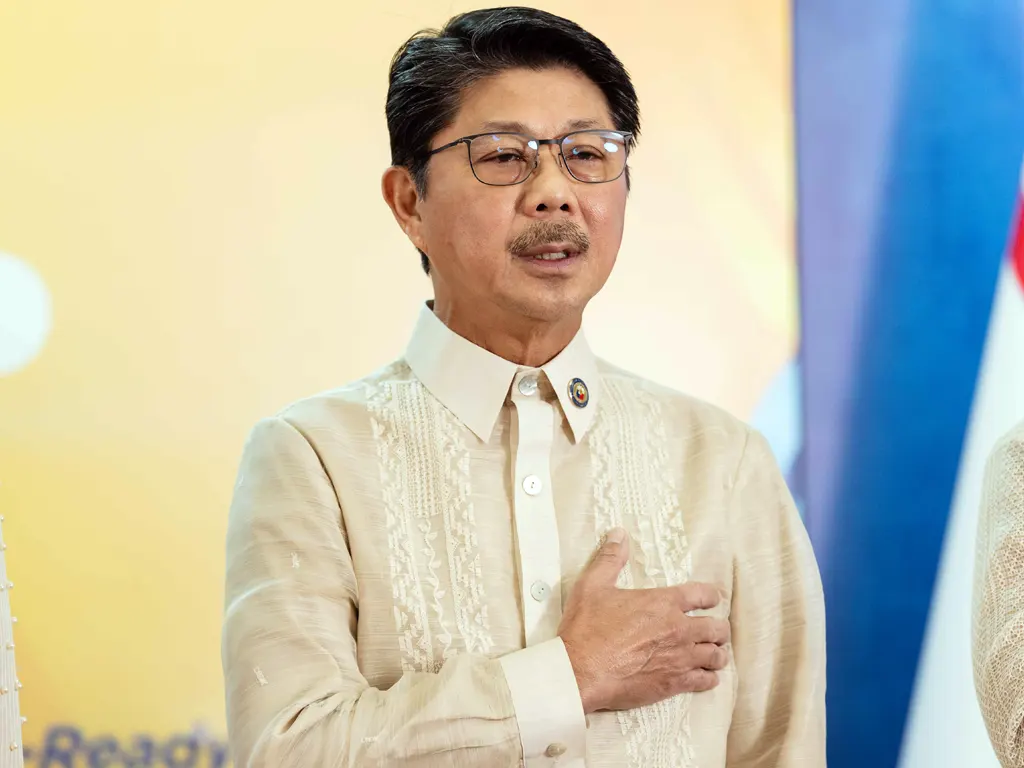
SPEAKER Faustino “Bojie” G. Dy III said the leadership of the House of Representatives is looking forward to an airtight Kalinga Act that will give ordinary Filipinos a reliable shield against fuel-driven price shocks, as the chamber’s 13-panel mega-panel prepares to turn its hearings into a consolidated measure.
Speaker Dy said the Kalinga Act should become more than a response to the present oil shock, but a standing promise that government will never again wait for families, workers, commuters, farmers, drivers and small businesses to absorb the full pain of a crisis before help is organized.
“The Kalinga Act must answer a very human question: when prices rise and families begin to feel the squeeze, how fast can government stand beside them?” Speaker Dy said.
“It should be a law that feels close to the people, one that says help will not arrive only after the hardship has already done its damage,” Speaker Dy added.
The proposed measure was filed amid continuing tensions in the Middle East that have driven up global oil prices, raising concern that higher fuel costs could again spill over into fares, food, electricity and other daily expenses.
Speaker Dy and House Majority Leader Ferdinand Alexander “Sandro” Marcos filed House Bill No. 8834 to institutionalize a national protection system that allows government to act early, decisively and in a coordinated manner when warning signs of a fuel-driven crisis emerge.
The House’s 13-panel Legislative Energy Action and Development hearings, led by Marikina Rep. Miro Quimbo as overall chair, were organized to gather testimony, sectoral concerns and agency recommendations from across government and affected communities.
Speaker Dy noted that the value of the mega-panel lies in its ability to see the crisis as ordinary people experience it, not as a narrow problem of fuel prices alone but as a chain reaction that reaches the market, the classroom, the farm, the road, the workplace and the family budget.
“When fuel prices move, the burden does not stay at the gasoline station. It travels to the jeepney route, the sari-sari store, the wet market, the electricity bill and the dinner table,” Speaker Dy stressed.
“That is why the House asked many committees to work together, because the life of an ordinary Filipino is not divided by committee jurisdiction,” he added.
The LEAD hearings are now entering the phase where the 13 committees will break up according to their areas of expertise, gather recommendations from departments and sectors and consolidate them into the final Kalinga bill.
The proposed law is expected to provide a whole-of-government response system that may be triggered by sharp fuel price increases, extraordinary inflation, low fuel supply levels or the declaration of a national energy emergency.
Speaker Dy said the final bill should set out not only the type of help that can be given, but also when it must be activated, who must receive it and how government agencies should move together without delay.
He said the House wants a measure that avoids confusion during a crisis by putting in place clear triggers, clear responsibilities and clear lines of assistance for vulnerable sectors and the middle class.
For Speaker Dy, the bill must recognize that economic shocks now cut across income lines, hitting the poor first and hardest while also squeezing workers, small entrepreneurs and families who are not always covered by traditional aid programs.
The House leader said this is why the hearings must produce a Kalinga Act that is both compassionate and disciplined, generous enough to protect the public but structured enough to make sure assistance is targeted, timely and fiscally responsible.
He emphasized that the House effort is meant to strengthen the hand of President Ferdinand “Bongbong” Marcos Jr. in responding to crises, not merely to criticize agencies after problems have already grown.
“This is how Congress should work in a crisis: listen widely, study carefully and build a law that gives the Executive the tools to protect the people before the damage spreads,” Dy said.
“Our goal is to give President Ferdinand ‘Bongbong’ Marcos Jr. a stronger, faster and more humane system of response, so that when the next shock comes, government is already organized and ready,” Speaker Dy stated.
“The name Kalinga should carry its full meaning. It should mean care that is prepared, care that reaches the right people and care that does not get lost in bureaucracy when families need it most.”
The Speaker said the coming consolidated version of the bill will be crucial because it will determine whether the House can convert the concerns raised in the hearings into a protection framework that ordinary Filipinos can understand and trust.
Speaker Dy said the chamber will continue working with the Executive and all concerned sectors to build a law that treats economic pain as something government must anticipate, not merely observe.
metrosundaily