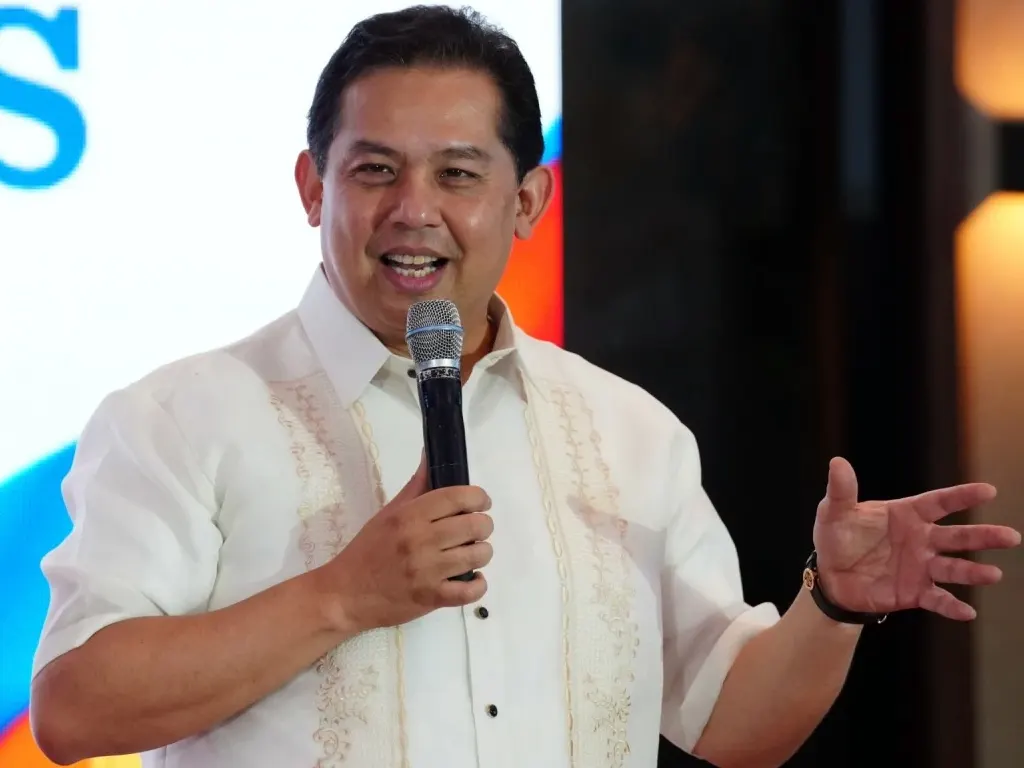
HOUSE Speaker Ferdinand Martin G. Romualdez announced sweeping reforms aimed at enhancing transparency and accountability in the Philippine government’s budgeting process.
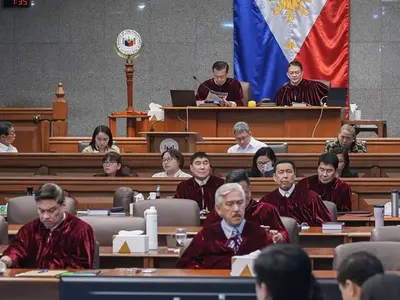
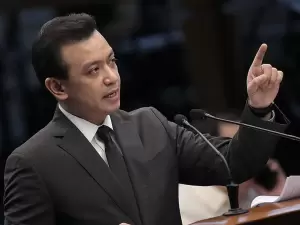
Speaking at a plenary session, Romualdez declared a new era of openness, highlighting the unprecedented move to allow civil society observers to participate in the traditionally closed bicameral conference committee (bicam) during budget deliberations.
This historic decision, he emphasized, is not merely a symbolic gesture but a crucial step in combating corruption and fostering inclusive governance.
Public watchdogs will be involved at every stage, from committee hearings to final plenary debates, ensuring greater scrutiny of the budget’s allocation and implementation. Furthermore, all discussions will be broadcast on television and social media platforms to maximize public access and transparency.
Beyond increased transparency, Romualdez outlined a comprehensive plan to address inefficiency and waste in government spending.
This includes strengthening congressional oversight, conducting mid-year performance reviews of government agencies, and implementing a performance-based budget allocation system. Agencies will no longer receive automatic funding but will need to demonstrate their effectiveness and efficiency.
A comprehensive review of infrastructure projects and fund implementation will target “ghost projects,” inflated contracts, chronic underspending, and abuse of discretion in fund realignment and procurement.
This review will inform the introduction of new legislation mandating real-time public reporting of project progress and fund usage, enforcing performance standards for contractors and agencies, and establishing a national infrastructure audit framework. These reforms, Romualdez emphasized, represent a commitment to cleaning up government spending and ensuring that public funds are used effectively and responsibly for the benefit of the Filipino people.
metrosundaily