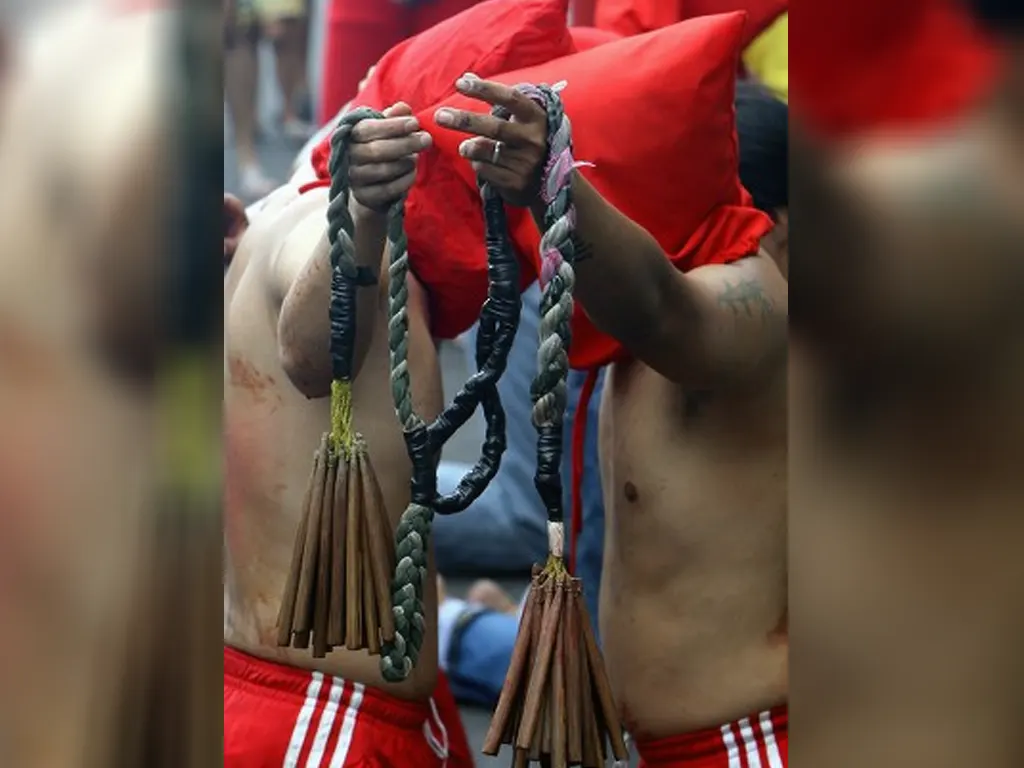
THE Department of Health (DOH) has issued a renewed warning to devotees against self-flagellation and crucifixion during Holy Week, emphasizing the potential health risks associated with these practices.
Assistant Secretary Albert Domingo, DOH spokesperson, stated in a Wednesday interview on Unang Balita that such acts of self-harm are unnecessary, aligning with the advice of religious leaders. He stressed that inflicting wounds on oneself is not a requirement for genuine devotion.
While acknowledging that some may choose to engage in these practices regardless, Domingo urged devotees to prioritize hygiene to minimize the risk of infection. He highlighted the importance of using sanitized instruments and thoroughly cleaning wounds with soap and water.
Domingo described such wounds as “dirty wounds,” susceptible to contamination from dust and other airborne particles, as well as from unsterile instruments.
He advised against folk remedies, such as submerging wounds in bodies of water, and instead recommended the use of antiseptics like iodine for proper wound care. The official emphasized that thorough cleansing with soap and water remains the most effective method of preventing infection.
The practice of self-flagellation and other forms of religious penance is common among Filipino Catholics during Holy Week, often viewed as a means of expressing devotion, seeking divine intervention, or seeking atonement. The DOH continues its annual campaign to raise awareness of the health risks involved in such practices.
metrosundaily