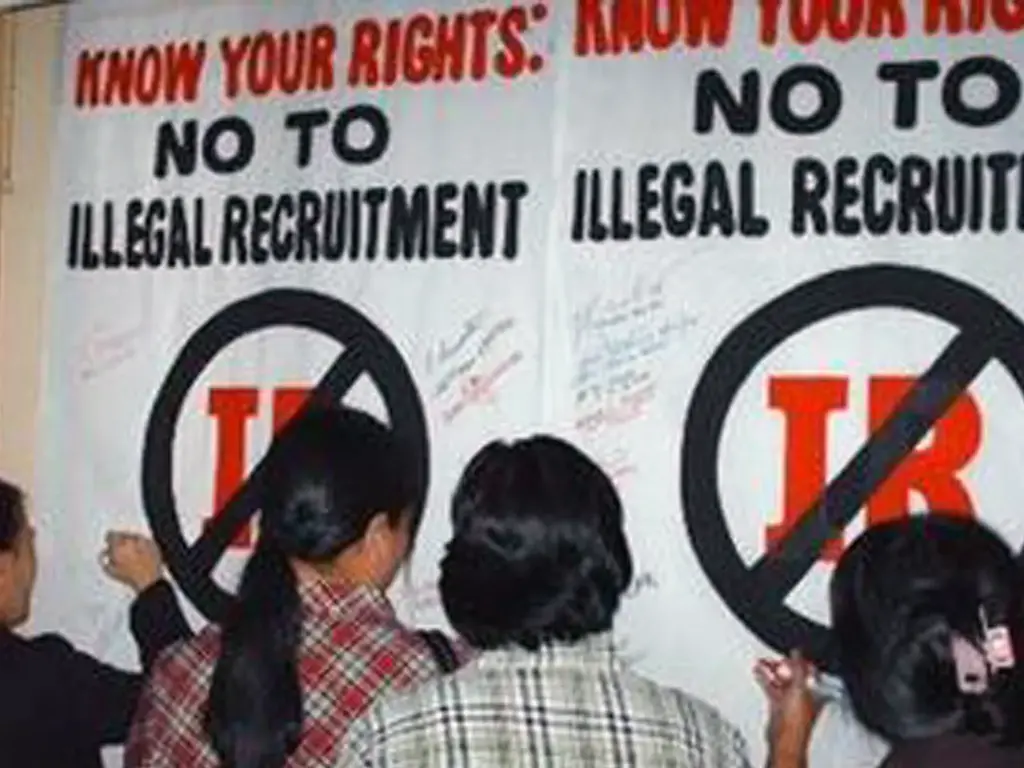
THE House of Representatives approved on second reading the measure redefining the crime of illegal recruitment by syndicate when committed by non-licensees or non-holders of authority. The bill amends the existing law by defining that the crime of illegal recruitment by syndicate may now be committed by two persons who are non-licensees or non-holders of authority.
Presidential Decree No. 442 or the Labor Code of the Philippines and Republic Act No. 8042 as amended or the Migrant Workers Act currently defines illegal recruitment committed by a syndicate if carried out by a group of three (3) or more persons conspiring and confederating with one another. However, it does not distinguish if the crime is committed by non-licensees or non-holders of authority.
“We are another step closer to improving the safeguards that we provide our OFWs and further protecting their welfare,” Salo stated.
“With the current definition of the crime, non-licensees or non-holders of authority find a way to skirt the harsher penalties provided by the crime of illegal recruitment by syndicate,” Salo noted.
“By lowering the number of perpetrators conspiring and confederating with one another to two (2) for non-licensees or non-holders of authority, it will be easier to prosecute the crime and deter these malevolent entities from pursuing their illegal activities and take advantage of the plight of our OFWs,” Salo added.
Salo, the chairman of the House Committee on Overseas Workers Affairs, sponsored the bill at today’s session. There were no objections or interpellations after his sponsorship.
“I thank the authors, Rep. Wendel and Jocelyn Tulfo and Rep. Gus Tambunting, and my colleagues at the House of Representatives for recognizing the urgency and necessity of amending the current law. Our job is not finished, we must ensure that we pass this measure all the way and urge our colleagues in the Senate to do the same,” Salo remarked.
“The situation of our OFWs are already difficult as it is. We must ensure that they are equipped with all the protection that our laws can offer and make it easier for them,” Salo concluded.
metrosundaily