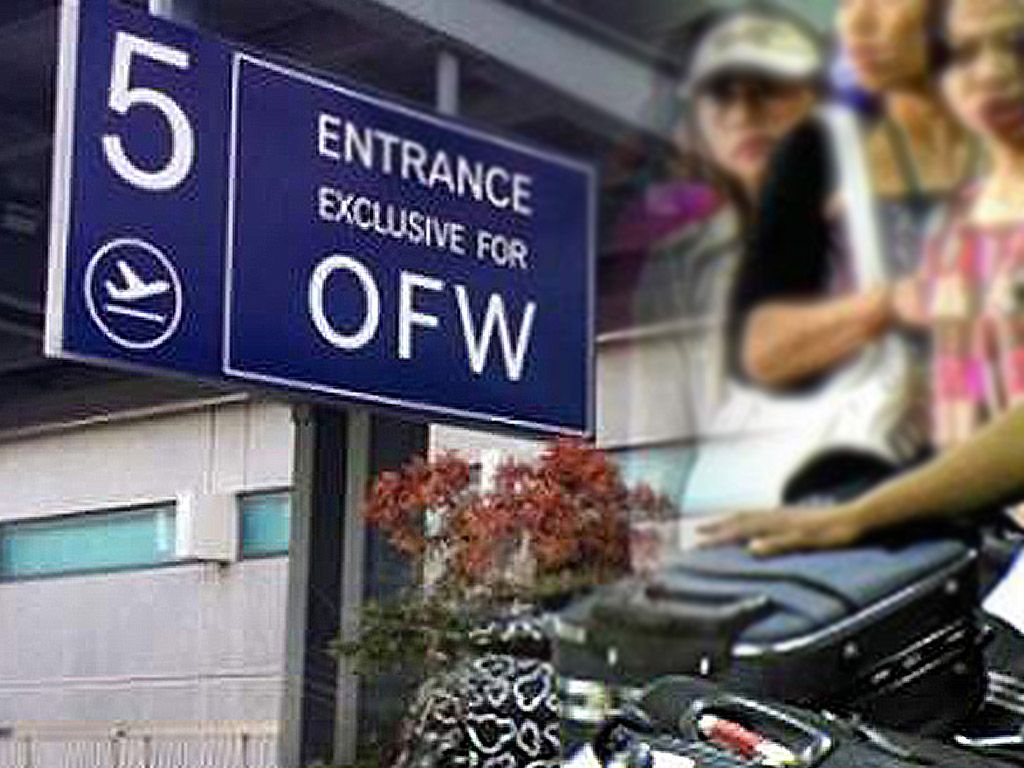
REELECTED Leyte Rep. Ferdinand Martin G. Romualdez, the Speaker of the recently concluded 19th Congress, on Monday filed a bill seeking to exempt millions of overseas Filipino workers (OFWs), whether land—or sea-based, from paying premium contributions to the Philippine Health Insurance Corp. (PhilHealth).
Tingog Party-list Reps. Jude Acidre and Andrew Julian Romualdez co-authored the bill with the House leader from Leyte.
Speaker Romualdez said House Bill (HB) No. 2, filed Monday, aims to “strengthen the country’s healthcare system to better achieve efficiency and equity and improve public health emergency preparedness.”
It proposes various changes in Republic Act 11223, otherwise known as the “Universal Health Care Act.”
Aside from exempting migrant workers from paying PhilHealth premiums, the bill’s highlights include a provision that would reduce contributions and prohibition against the transfer of the state insurer’s funds to the national treasury.
The measure provides that half of the OFWs’ premium contributions shall be paid by the national government, while the other half shall be shouldered by their employers.
It mandates PhilHealth and the Department of Health (DOH) “to include a mechanism for lowering premium contribution in the implementing rules and regulations of this Act.”
The prohibition against transfer of funds states: “Notwithstanding any law to the contrary, no portion of the reserve fund or any fund or income of Philhealth, including the provident fund under Section 16 (C) and the special health fund under Section 20 of this Act, shall accrue to the general fund of the national government or to any of its agencies or instrumentalities, including government-owned or -controlled corporations.”
Complying with a Department of Finance (DOF) circular, PhilHealth has transferred at least P60 billion of its reserve fund to the national treasury, with a further P30-billion remittance stopped by the Supreme Court.
The transfer, questioned by concerned citizens, is still pending resolution by the high court.
The DOF said its circular was authorized by the annual budget law.
The bill also provides that any unused portion of premium subsidies for indirect contributors shall be allocated exclusively for an increase in benefits or a decrease in forthcoming premium subsidies.
Indirect contributors are Filipinos who cannot afford to pay their PhilHealth premium, including the poor and the jobless. It is the national government that pays for their premiums through the annual budget.
Another provision of the bill mandates that premium contribution rates shall be based on actuarial studies and assessments considering the projected healthcare utilization. The adjusted premium rates shall be subject to the approval of Congress.
The measure creates the Universal Health Care Coordinating Council, a body tasked to oversee the accelerated implementation of the Universal Health Care Act and serve as a policy and operational collaboration mechanism among relevant agencies and organizations.
Rep. Martin Romualdez and his co-authors said their proposed changes in the Universal Health Care Act “will address the gaps, uncertainties, challenges, and flaws in achieving its intended results.”
“Once passed, this measure will certainly maximize the potential of the Universal Health Care law to become the instrument for universal and equitable healthcare access for every Filipino,” they said.