IT was not discriminatory.
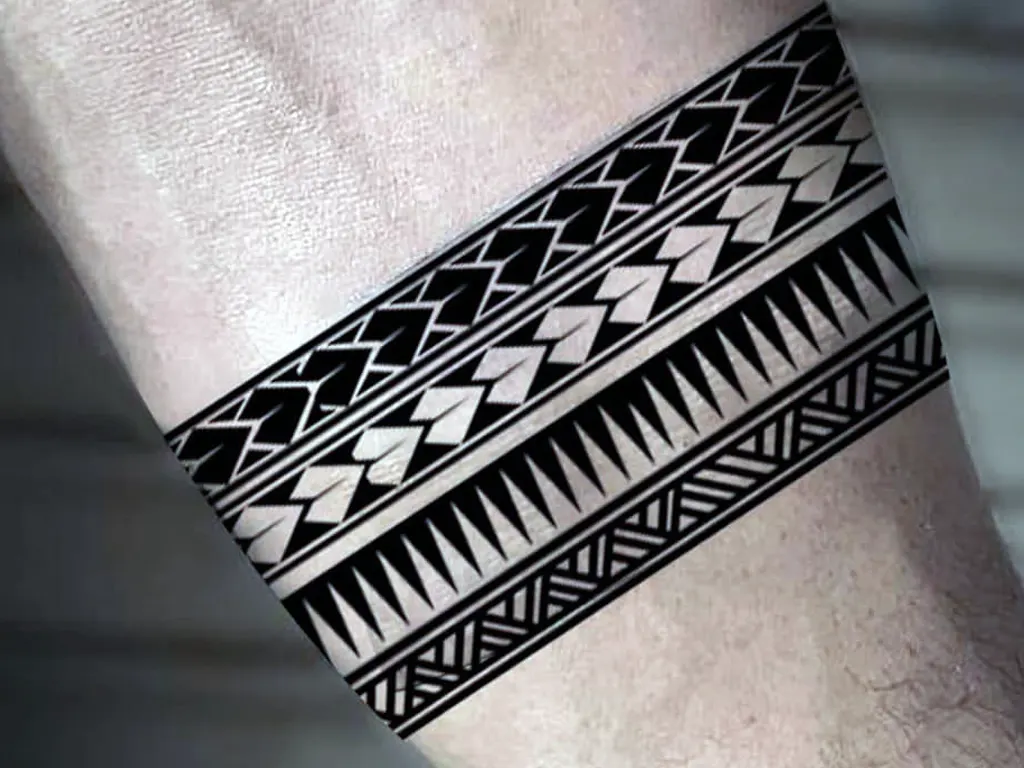
Thus, said the Philippine National Police (PNP) that its ban on police officers having visible tattoos was not discriminatory, although the policy was undergoing a review.
PNP spokesperson, Colonel Jean Fajardo, the policy against the display of visible unauthorized tattoos has already been in effect since the creation of the PNP.
“However, there is no policy once you are in the service that prohibits getting a tattoo,” she was quoted as saying in a Philstar.com report.
“So, last year, a technical working group was formed, and consultations were conducted to determine whether the placement of tattoos on our police officers should be regulated,” Fajardo said in Filipino.
“This is not, in any way, meant to discriminate against individuals with tattoos. We agree with those who argue that getting a tattoo is a form of self-expression and freedom of expression,” she said in the Philstar.com report.
According to Fajardo, the freedom to have tattoos was “not absolute,” and the PNP was well within its rights to enforce its own regulations.
The PNP earlier released a memorandum reiterating the policy against visible unauthorized tattoos, such as those with messages marked by extremism, racism, sexism, and indecency.
But Fajardo said there were some “aesthetic tattoos” that were allowed, such as on eyebrows, eyeliner, or lips.
metrosundaily