LAS Piñas Lone District Rep. Mark Anthony Santos yesterday cautioned that social media platforms are increasingly being exploited by illegal drug dealers and criminal groups to reach young people, despite existing policies prohibiting the sale and promotion of illegal drugs online.
“Technically, all social media platforms prohibit the sale of drugs, but teens know how to find a drug dealer on social media. Drug enforcement units have found evidence that drug activity is rampant across major platforms, particularly Messenger and Viber in the Philippines,” Santos said.
The lawmaker, who was recently designated chairman of the House Committee on Dangerous Drugs, said the ease of communication and the widespread use of social media among young people have created new opportunities for drug dealers to find potential customers.
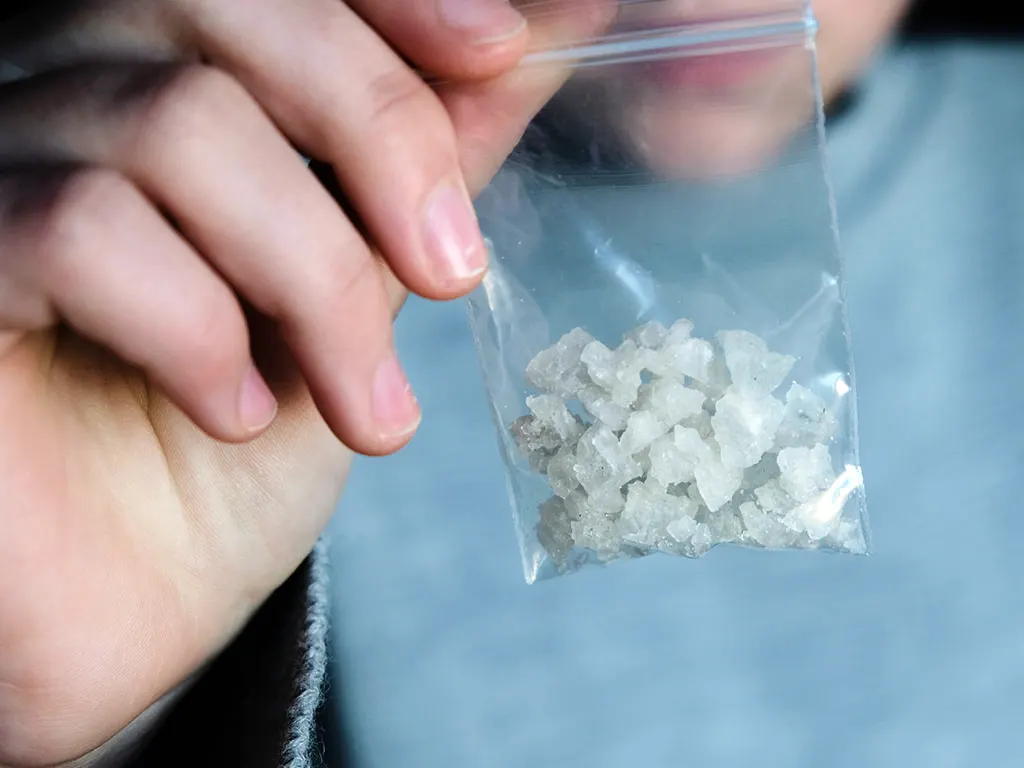
Studies cited by Santos indicated that shabu, or methamphetamine, was among the most commonly purchased illegal drugs through social media in the Philippines, followed by marijuana, ecstasy and cocaine.
“Criminals are adapting faster than we are. They are learning how to use the same platforms where our young people spend much of their time,” Santos said.
He also raised concerns over reports from cybersecurity experts that popular online games and social media platforms are increasingly being used as recruitment grounds by extremist groups.
Santos cited the case of an online group reportedly known as 764, which cybersecurity researchers have linked to the recruitment and exploitation of young people online, including a person involved in a shooting incident in Tacloban.
He stressed that the risks extend beyond illegal drugs, as vulnerable young users can potentially be targeted by criminal and extremist networks through digital platforms.
Santos also cited studies showing how social media platforms have been used to facilitate illegal drug transactions.
He said Instagram has emerged as a significant platform for online drug trafficking, with experienced users allegedly able to locate dealers through seemingly ordinary posts, accounts and interactions.
“Social media has made it possible for drug dealers to operate in plain sight. They can use coded words, images, emojis and seemingly harmless posts to advertise illegal drugs while trying to evade the platforms’ detection systems,” Santos said.
According to Santos, drug dealers have also used emojis as coded advertisements for illegal drugs—for example, using symbols or images associated with particular drugs to avoid automated content filters.
He said such tactics demonstrate the difficulty of relying solely on automated moderation to prevent online drug trafficking.
Santos also pointed to research suggesting a potential relationship between problematic social media use and vulnerability to substance abuse.
metrosundaily