
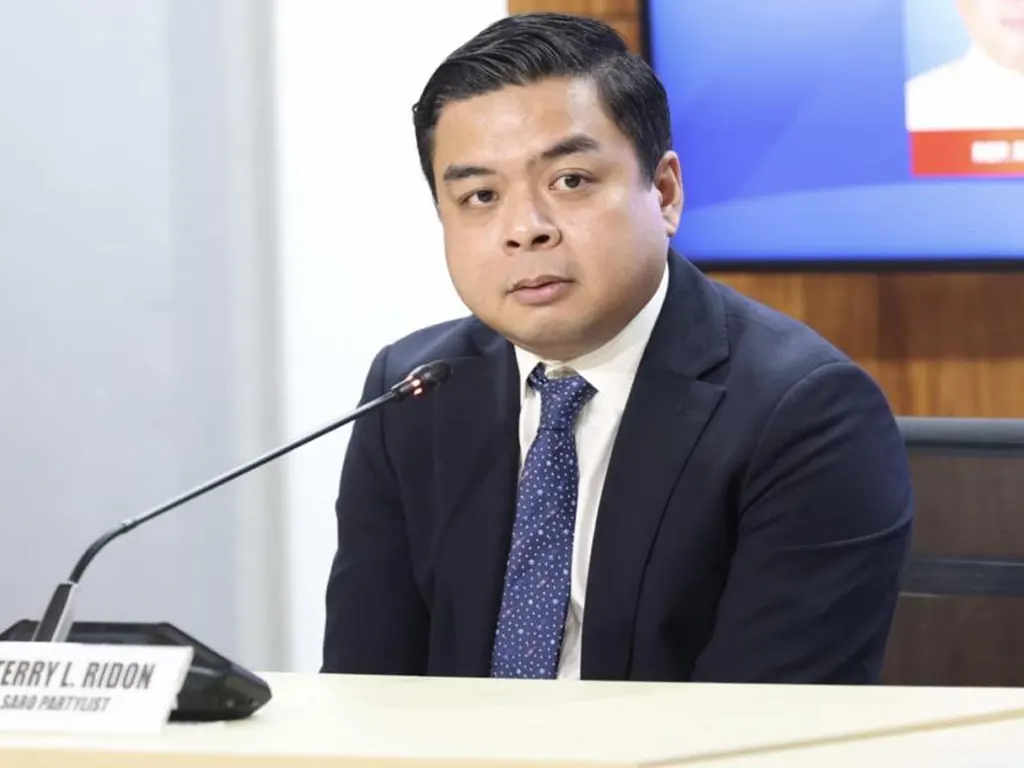
Courtesy: House of Representatives
WITH the signing of the 2026 General Appropriations Act, congressional oversight and public participation at all levels of budget implementation will be the main drivers to ensure that the national government and its agencies remain committed to transparency and accountability in the use of public funds, according to Rep. Terry L. Ridon of Bicol Saro PL, Chairperson of the House Public Accounts Committee.
The House Public Accounts Committee, the main congressional oversight committee on public expenditure, will collaborate with various departments and agencies in implementing their projects and programs, including monitoring and observing procurement activities at every stage and level.
“We will press the DPWH to deliver on its commitment to live-stream all procurement activities at the national, regional, and district levels, and we call on other agencies to do the same,” Ridon stated.
The committee will also closely monitor the direct implementation by the DepEd and the DA of their school-building and farm-to-market road programs, respectively, to prevent the recurrence of problems experienced during previous DPWH implementation. This includes ensuring that blacklisted DPWH contractors are barred from participating in DepEd and DA procurement activities.
Ridon emphasized that agencies will be asked to adopt stricter qualification standards for prospective bidders, with an established track record for delivering specific projects being an indispensable requirement. The prohibition on using another entity’s procurement license must be strictly enforced, with corresponding consequences for violations, such as outright blacklisting and the filing of criminal complaints.
The committee will also work with the DoH, DSWD, and other social services agencies to ensure that budget safeguards against political interference in aid distribution and delivery are truly in place. Furthermore, Ridon stated that the committee will call on the DBM, DICT, and GPPB to assist agencies in effectively shifting to primarily online procurement activities, to limit personnel intervention throughout the process.
“The committee will also work with civil society and people’s organizations to facilitate public participation in monitoring the implementation of the 2026 national budget. We will invite the public to join monitoring activities and budget implementation discussions with various agencies,” Ridon concluded.
“This ensures that the work of budget reform does not end with the signing of the budget—and that it continues until well-built public infrastructure is delivered, cost-effective goods are procured, and social programs efficiently reach every Filipino family.”
metrosundaily