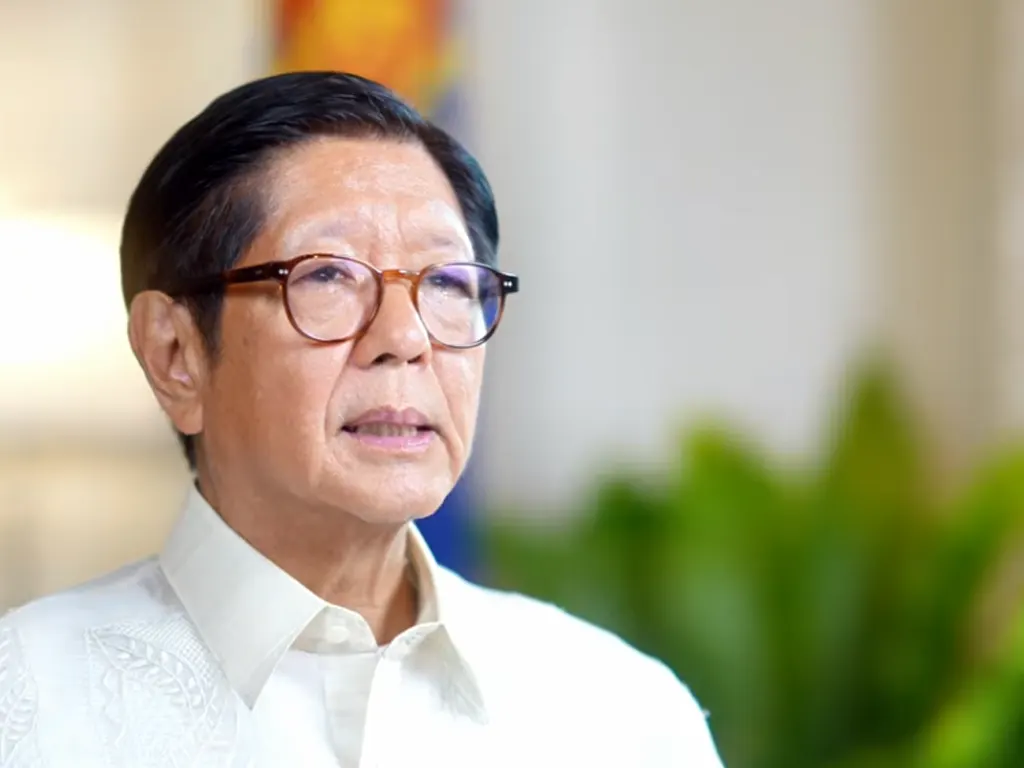
PRESIDENT Ferdinand R. Marcos Jr. announced on Friday the temporary implementation of a four-day workweek in select government offices beginning March 9. This measure is part of the government’s efforts to conserve energy and reduce reliance on fossil fuels amid rising global oil prices caused by the ongoing crisis in the Middle East.
In his televised message to the nation, President Marcos explained that the policy would apply to certain offices under the executive branch. “Starting Monday, March 9, we will temporarily implement a four-day workweek in some executive offices,” he stated. The move aims to lessen energy consumption while maintaining essential government functions.
Following the President’s announcement, Malacañang released Memorandum Circular (MC) No. 114, which details the guidelines for implementing the directive. According to MC 114, the order covers all national government agencies, government-owned and controlled corporations (GOCCs), local government units, constitutional bodies, state universities and colleges, and other government instrumentalities.
The memorandum emphasizes the urgent need to adopt strict energy-saving measures to reduce the government’s energy footprint and optimize the use of public resources. President Marcos assured that critical and frontline agencies—such as those involved in health, public safety, and emergency response—will continue their normal operations. These include offices related to health services, law enforcement, fire protection, and other essential services.
In addition to the shortened workweek, the president directed agencies to cut electricity and fuel consumption by 10 to 20 percent. Offices are instructed to keep air-conditioning at 24 degrees Celsius, turn off unnecessary lights and electronic devices during lunch and after hours, and place equipment in sleep mode when not in use. The president also ordered a temporary suspension of non-essential travel, study tours, team-building activities, and meetings that can be conducted online.
Furthermore, President Marcos announced other measures to mitigate the impact of rising fuel prices, such as potential tax reductions on petroleum products and providing fuel subsidies to sectors most affected by the price hikes. These steps aim to support the public and ensure the continuity of vital government services during this period of energy conservation.
metrosundaily