MALACANANG on Thursday issued a sharp rebuke of Vice President Sara Duterte’s criticism of the government’s plan to sell rice at P20 per kilogram in the Visayas region.
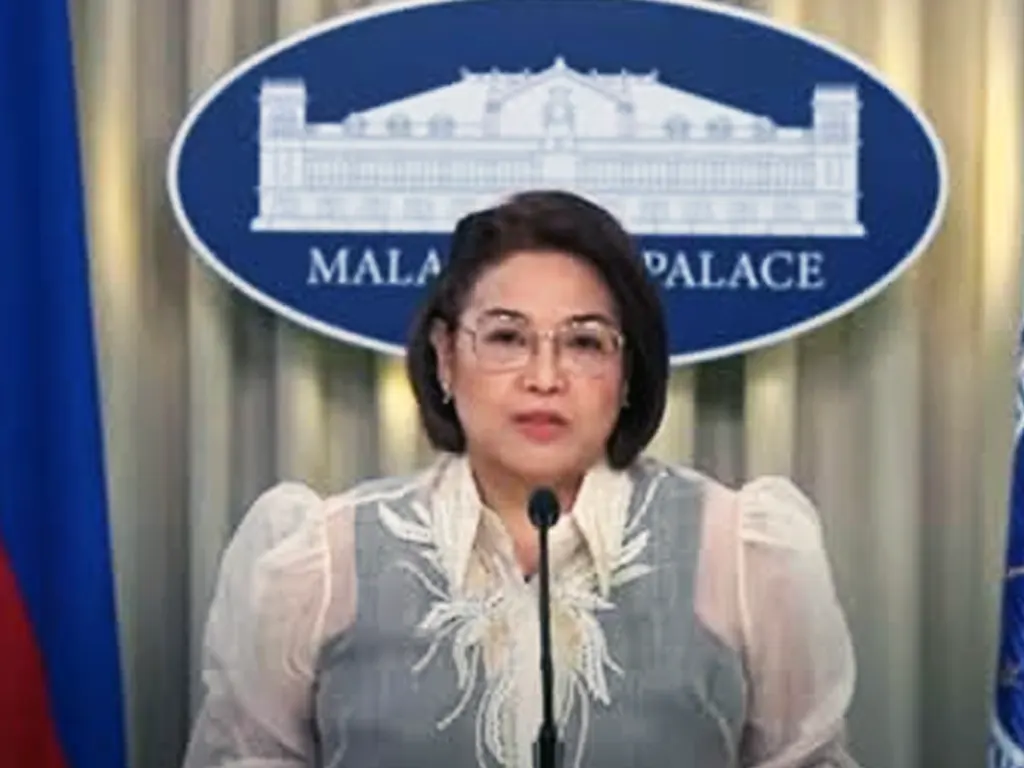
Palace Press Secretary Undersecretary Atty. Claire Castro, addressing the media during a press briefing, urged against a “crab mentality,” implicitly accusing the Vice President of undermining a key government initiative.
The statement marks a significant escalation in the public disagreement between the executive branch and the Vice President.
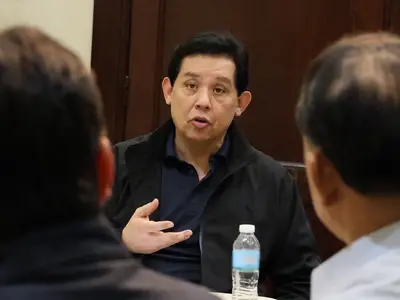
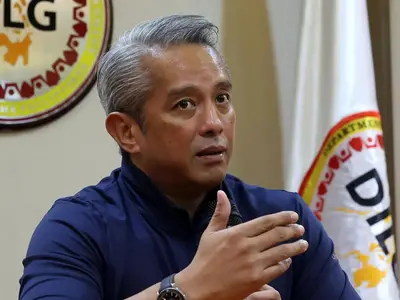
The controversy centers around Agriculture Secretary Francisco Tiu Laurel Jr.’s announcement of a pilot program to sell subsidized rice at a drastically reduced price in the Visayas.
Laurel emphasized that President Ferdinand “Bongbong” Marcos Jr., who also holds the concurrent position of Agriculture Secretary, envisions a nationwide rollout of the program in the future. The program aims to address food security concerns and alleviate the burden of high rice prices on Filipino consumers.
Vice President Duterte’s criticism, though not explicitly detailed in the initial reports, appears to question the feasibility and potential effectiveness of the P20 rice program.
The Palace’s response suggests that this criticism is viewed as detrimental to the government’s efforts to stabilize rice prices and provide affordable food for the population. The use of the term “crab mentality,” a Filipino idiom referring to the tendency to pull others down, indicates a strong disapproval of the Vice President’s stance.
The public clash between Malacañang and the Vice President highlights underlying tensions within the administration. While both belong to the same political party and share a familial connection, their differing opinions on this crucial policy matter have now become a public spectacle.
This disagreement could potentially undermine public confidence in the government’s ability to effectively address pressing economic issues.
The P20 rice program itself remains a subject of debate. Critics raise concerns about its sustainability, potential for corruption, and the possibility of unintended consequences, such as disrupting the market and harming local farmers.
Supporters, however, argue that it’s a necessary intervention to combat high rice prices and ensure food security, particularly for vulnerable populations.
The ongoing disagreement between Malacañang and the Vice President underscores the complexities of governance in the Philippines.
The public airing of these internal conflicts raises questions about the administration’s internal cohesion and its ability to present a unified front on critical policy issues.
The coming days will likely reveal further details of the Vice President’s criticisms and the government’s response, potentially shaping public perception of both the P20 rice program and the administration as a whole.
metrosundaily