PRESIDENT Ferdinand “Bongbong” Marcos Jr. signed the ₱6.793-trillion national budget for fiscal year 2026 into law on Monday, following a week of thorough review of its allocations and provisions. The signing ceremony, held at Malacañang Palace, was attended by key government officials, senators, and congressmen.
Marcos emphasized the budget’s alignment with medium- and long-term development plans and its focus on investing in the Filipino people.
He highlighted key areas of focus, including education reform, health protection, food security, social security, and job creation. As mandated by the Constitution, education received the largest allocation, amounting to over ₱1.34 trillion, while the health sector received a record-high budget of ₱448.125 billion. The agricultural and social services sectors were also allotted significant funds to support modernization, farmers, fisherfolk, and the enhancement of the quality of life for Filipinos.
However, Marcos also announced the veto of nearly ₱92.5-billion worth of line items under the unprogrammed appropriations in the 2026 GAA, stating that these funds were reduced to their “absolute bare minimum” to ensure responsible spending and prevent misuse.
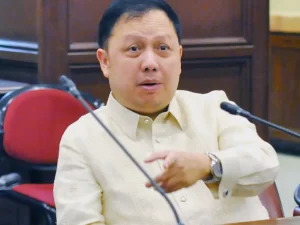
Unprogrammed appropriations are budget items that are only funded if there is excess government revenue and other funding sources. Deputy House Minority Leader Edgar Erice vowed to question the 2026 national budget before the Supreme Court over the matter involving unprogrammed funds.
Despite operating under a reenacted budget for a brief period, Marcos assured the public of the government’s commitment to utilizing public funds responsibly and ensuring that programs and projects have a clear benefit to the people.
Executive Secretary Ralph Recto echoed this sentiment, stating that the Executive Branch would ensure that the 2026 GAA satisfies the needs of the Filipino people and is implemented with integrity and constant vigilance.
Education Secretary Sonny Angara hailed the 2026 budget as the biggest DepEd has secured in recent years, covering various initiatives aimed at improving access, quality, and learner well-being across the public school system.