

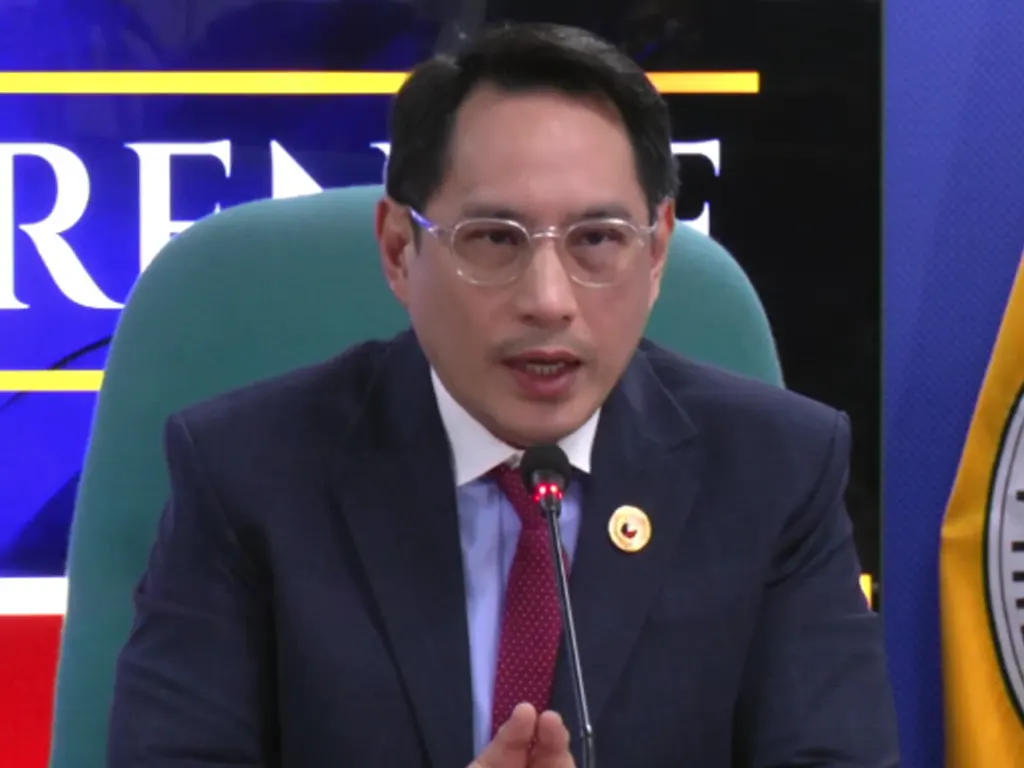
THE House Committee on Suffrage and Electoral Reforms on Thursday launched its first public consultation on the proposed New Party-List System Act, seeking to strengthen accountability, transparency, and genuine sectoral representation in Congress.
Committee Chairperson and Lanao del Sur Rep. Zia Alonto Adiong said the proposed reforms aim to address longstanding questions surrounding the party-list system and ensure that congressional seats intended for marginalized and underrepresented sectors serve their intended beneficiaries.
“Nearly three decades after the first party-list elections, we must confront difficult but necessary questions. Who truly speaks for the people? Who deserves to occupy the seats intended to give them representation? And how do we ensure that the party-list system remains an instrument of democracy rather than merely another avenue to political power?” Adiong said in his opening remarks at Caraga State University in Butuan City.
Adiong said uncertainties in existing laws, differing interpretations and questions surrounding the qualifications of party-list representatives have raised concerns about the integrity of the system.
According to the lawmaker, “these uncertainties cannot remain unresolved. For every ambiguity in the law, there is a risk that the very people the system was designed to empower will be left without a genuine voice.”
The proposed New Party-List System Act seeks to establish clearer standards of representation, strengthen accountability, promote democratic participation within party-list organizations, and ensure greater transparency in the allocation of congressional seats.
Adiong stressed that the reforms must preserve the fundamental purpose of the party-list system as a mechanism for broadening democratic representation.
He pointed out that “our purpose is to restore and reinforce the connection between the people and those who claim to represent them.”
“A seat in Congress must never be reduced to a political privilege. It is a public trust, carrying the responsibility to speak for communities, defend their interests, and ensure that their aspirations are reflected in the laws of our nation.”
The consultation forms part of the continuing efforts of the House of Representatives, under the leadership of Speaker Faustino “Bojie” Dy III, to bring the legislative process closer to the people and provide opportunities for stakeholders to participate in shaping laws that directly affect them.
Adiong emphasized that public participation is particularly important in reforming a system designed to give Filipinos a stronger voice in government.
“And because these reforms concern the people’s representation, it is only right that the people themselves have a meaningful role in shaping them,” he said.
The Butuan consultation brought together lawmakers, stakeholders and members of the public to discuss the proposed legislation and gather recommendations that could help the committee refine the measure.
Among the House members scheduled to participate were Tingog Party-list Rep. Jude Acidre, who chairs the technical working group on the proposed New Party-List Act; Abamin Party-list Rep. Maximo Rodriguez Jr.; ACT Teachers Party-list Rep. Antonio Tinio; 4Ps Party-list Rep. JC Abalos; Agusan del Norte Rep. Dale Corvera; and Butuan City Rep. Jose “Joboy” Aquino II.
Caraga State University President Dr. Rolyn Daguil was also scheduled to deliver welcome remarks.
Adiong assured participants that the committee was prepared to consider their views and recommendations in improving the proposed legislation.
“As Chairperson of the Committee on Suffrage and Electoral Reforms, I welcome this consultation as an opportunity for genuine dialogue. We come with proposals, but also with open minds,” he said.
He underscored that the success of the proposed reforms would ultimately be measured by their ability to strengthen public confidence in the country’s democratic institutions.
“The true measure of our work will be whether that law makes our democracy more representative, more accountable, and more worthy of the people’s trust,” Adiong said.
He concluded by emphasizing that meaningful democracy requires ensuring that Filipinos are genuinely represented by the officials they elect.
“Democracy is not simply about giving people the right to vote – that is just the first step. It is about ensuring that their votes give them a voice, and that their voices are truly heard.”
metrosundaily